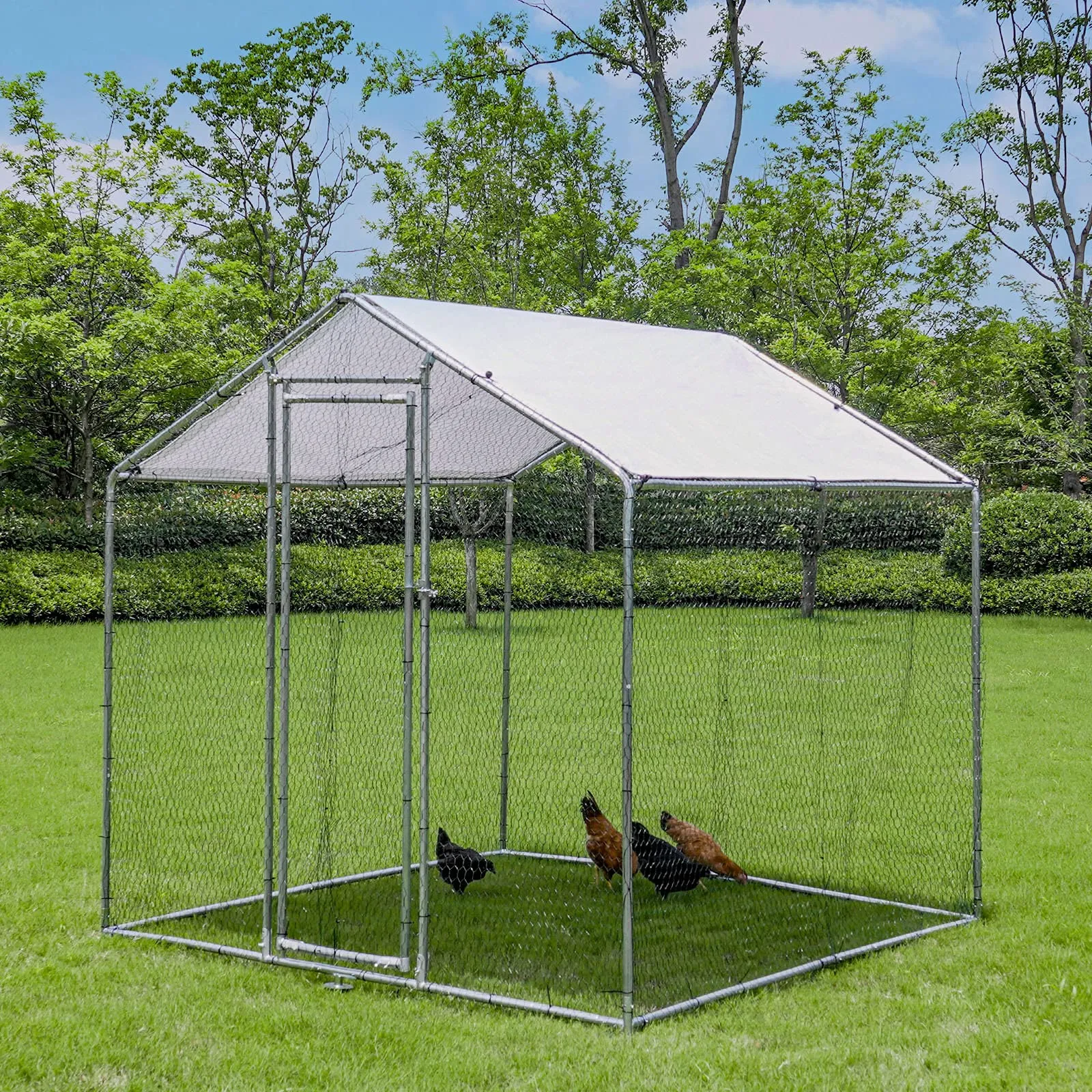
What is a Metal Chicken Coop?
A metal chicken coop is a housing structure specifically designed to provide shelter and protection for chickens. Unlike traditional wooden coops, these coops are primarily constructed from metal materials such as galvanized steel, aluminum, or iron. They offer a durable and long-lasting solution for chicken owners looking to safeguard their flock from predators, harsh weather, and other environmental hazards. The use of metal provides a robust barrier against the elements and pests, making it a popular choice for both novice and experienced chicken keepers. The design can vary widely, from simple, portable structures to more elaborate, permanent setups with integrated runs and features. The choice of a metal chicken coop often stems from a desire for longevity, ease of maintenance, and enhanced security for the birds.
Benefits of Choosing a Metal Chicken Coop
Choosing a metal chicken coop offers several advantages over coops made from other materials. These benefits contribute to the overall well-being of your chickens and the ease of maintaining their living environment. Metal coops are particularly favored for their durability, resistance to pests, and ease of cleaning. These factors collectively make them a practical and efficient choice for chicken owners. Beyond these core advantages, metal coops often feature improved ventilation and security, helping to create a safer and more comfortable habitat for your flock. Moreover, the inherent design of metal coops usually results in a more streamlined and aesthetically pleasing appearance compared to their wooden counterparts. The following sections will explore these benefits in more detail.
Durability and Longevity

Metal chicken coops are renowned for their exceptional durability and longevity. The robust nature of metal, such as galvanized steel, ensures that the coop can withstand harsh weather conditions, including heavy rain, strong winds, and intense sunlight. Unlike wood, metal is not susceptible to rot, decay, or warping over time. This inherent resilience translates into a significantly longer lifespan for the coop, making it a cost-effective investment. The structural integrity of metal coops remains largely unaffected by the wear and tear that typically degrades wooden structures. This extended lifespan also means less frequent replacements and repairs, saving both time and money for chicken owners. This durability guarantees that your investment will protect your flock for many years to come.
Resistance to Pests and Predators
One of the critical advantages of a metal chicken coop is its superior resistance to pests and predators. The solid construction of metal creates a formidable barrier that prevents unwanted guests from entering. Unlike wood, which can be easily chewed through or penetrated by rodents and other pests, metal provides a virtually impenetrable defense. This is particularly important for protecting chickens from predators like foxes, raccoons, and coyotes, which are notorious for raiding chicken coops. Additionally, metal coops are less likely to harbor parasites and insects, such as mites and termites, which can infest wooden structures. This resistance contributes to a healthier environment for your chickens and minimizes the need for pest control measures. This feature is a cornerstone of metal coops’ appeal.
Ease of Cleaning and Maintenance
Metal chicken coops are significantly easier to clean and maintain compared to wooden ones. The smooth, non-porous surfaces of metal do not absorb moisture or organic matter, making it simpler to wipe down and disinfect. This prevents the build-up of bacteria and minimizes the risk of disease. Cleaning a metal coop typically involves a quick wash with soap and water, followed by a rinse. This straightforward process saves time and effort, allowing you to focus on other aspects of chicken care. The non-absorbent nature of metal also helps to control odors and maintain a more hygienic environment. Furthermore, the durability of metal means that it requires less frequent maintenance such as painting or sealing, unlike wooden coops, reducing ongoing costs and labor.
Step-by-Step Guide to Building a Metal Chicken Coop

Building your own metal chicken coop can be a rewarding DIY project. This step-by-step guide will help you create a safe and secure home for your chickens. Before you begin, it is essential to plan your coop and gather the necessary materials. The construction process involves several key steps, from constructing the frame to adding walls and roofing. Following these instructions carefully will ensure that your metal chicken coop is well-built, durable, and provides a comfortable living space for your flock. Remember to prioritize safety and to consult local building codes to ensure your coop meets all requirements. By taking your time and following these steps, you can successfully build a metal chicken coop that will serve your chickens for years to come.
Planning and Design
Before starting construction, carefully plan the design and layout of your metal chicken coop. Consider the size of your flock and ensure that the coop provides enough space for each bird. A general guideline is to allow at least 4 square feet of floor space per chicken inside the coop and 8-10 square feet in the run. Think about the coop’s location; it should be in a secure area, protected from predators and harsh weather conditions. Design elements include the size and placement of doors and windows, the location of nesting boxes, and the integration of a secure run area. You should also sketch out the structure, including dimensions and the placement of key features. Review local building codes and regulations to ensure that your design complies with all necessary requirements. A well-thought-out plan will ensure a smooth and efficient construction process and a comfortable home for your chickens.
Choosing the Right Materials
Selecting the appropriate materials is crucial for building a durable and long-lasting metal chicken coop. The primary material for the structure is usually galvanized steel, which is resistant to rust and corrosion. Choose a gauge of steel that is sturdy enough to withstand weather and predator attacks. For the frame, consider using steel tubing or angle iron, ensuring that the joints are securely welded or bolted together. The roofing material can be metal sheeting, such as corrugated steel or aluminum. Make sure to choose materials that are non-toxic and safe for your chickens. Avoid using materials that contain lead or other harmful substances. Consider the overall cost of materials and look for options that provide a good balance of quality and affordability. Quality materials will contribute to the coop’s longevity and effectiveness in protecting your chickens.
Gathering Tools

Ensure that you have all the necessary tools before beginning construction to avoid delays. Essential tools include a metal saw for cutting metal, a drill for creating holes, a welder or bolts for joining the frame, and a measuring tape for precise measurements. Safety equipment like gloves, eye protection, and a face mask is crucial when working with metal. You will also need tools for installing roofing materials, doors, and windows. A level is essential to ensure that the structure is square and stable. Having all the correct tools ready will significantly streamline the building process. If you are not familiar with welding, consider hiring a professional or using alternative joining methods such as bolts and screws.
Constructing the Frame
Begin by constructing the frame of the metal chicken coop. Cut the metal pieces to the required dimensions according to your design plan. Using either a welder or bolts, assemble the frame ensuring that all joints are secure and square. Pay careful attention to the structural integrity of the frame, as it will bear the weight of the walls, roof, and any other features. If you are using a welded frame, ensure that the welds are strong and clean. If you are using bolts, tighten them securely. The frame should be stable and capable of withstanding strong winds and other environmental factors. Make sure to double-check all measurements and angles to ensure the frame is accurate and well-aligned, providing the foundation for your coop.
Adding Walls and Roof
Once the frame is complete, attach the walls and roof of the coop. The walls can be made from metal sheeting, which should be securely fastened to the frame using screws or rivets. Ensure that the walls are weather-tight to prevent drafts and water from entering the coop. For the roof, choose a metal roofing material and attach it to the frame, overlapping the sheets to prevent leaks. Ensure that the roof has an adequate slope for water runoff. Properly installed walls and roof will protect your chickens from the elements, providing them with a comfortable and secure environment. Pay attention to any joints or seams, sealing them to prevent water from seeping in. A well-constructed roof and walls are essential for the coop’s functionality.
Installing Doors and Windows

Install doors and windows, ensuring that they are securely attached and can withstand the elements. The doors should be sturdy, and they should close tightly to prevent predators from entering. Secure the doors with reliable latches or locks. Windows are important for providing ventilation and natural light inside the coop. Make sure to use heavy-duty hardware. Consider using hardware cloth or wire mesh to cover windows to prevent predators from entering while still allowing airflow. Make sure all openings are secured to prevent access. Properly installed doors and windows will play a crucial role in the security and comfort of the coop, providing access for cleaning and management.
Securing the Coop
Securing your metal chicken coop is paramount for protecting your chickens from predators. Bury hardware cloth around the perimeter of the coop to prevent animals from digging under the walls. Reinforce all doors and windows with sturdy latches and locks. Check all seams and joints to ensure that there are no gaps where predators could enter. Consider adding a run area attached to the coop and cover the top with hardware cloth to keep birds safe. Regular inspections of the coop are essential. Regularly check for any signs of damage or weakness. Securing the coop offers peace of mind and protects your flock. This will ensure the safety and well-being of your chickens.
Essential Features for Your Metal Chicken Coop
In addition to the basic structure, several essential features can enhance the functionality and comfort of your metal chicken coop. These features contribute to the overall health and safety of your chickens, ensuring that they have a comfortable and secure living environment. Providing adequate ventilation, security measures, and a well-designed run space will significantly improve your chickens’ quality of life and make managing the coop easier for you. Integrating these elements into the design of your metal chicken coop is a smart choice for chicken owners.
Ventilation

Adequate ventilation is crucial for maintaining a healthy environment inside the coop. Proper airflow helps to remove ammonia and moisture, reducing the risk of respiratory issues and diseases in your chickens. Install vents at the highest points of the coop and near the roof to allow for proper air circulation. Ensure that vents are covered with mesh to prevent drafts and prevent predators from entering. Avoid placing vents near the nesting boxes to minimize disturbances. Consider installing adjustable vents to regulate airflow according to the weather conditions. Good ventilation will improve air quality. This is a key component of a healthy coop.
Security Measures
Implement robust security measures to protect your chickens from predators. Use sturdy latches and locks on all doors and windows. Cover the run area with hardware cloth to prevent predators from entering from above. Bury hardware cloth around the perimeter of the coop to prevent digging. Inspect the coop regularly for any weak points or vulnerabilities. Consider adding motion-activated lights to deter nighttime predators. A secure coop gives your chickens a safe home. The safety of your chickens is a top priority.
Run Space
Provide your chickens with ample run space, allowing them to forage, exercise, and socialize safely. Attach a run area to the coop, enclosed with sturdy fencing or hardware cloth to protect them from predators. Ensure that the run is large enough to accommodate the number of chickens in your flock. Offer shade, such as a shaded area or plants within the run, to protect the chickens from the sun. Provide different surfaces within the run such as grass, gravel, and dirt, providing opportunities for scratching and pecking. This will keep your chickens active and healthy. A spacious run enhances the living conditions for your flock.
Tips for Maintaining Your Metal Chicken Coop

Regular maintenance is essential for keeping your metal chicken coop in excellent condition and ensuring the health and safety of your chickens. Consistent cleaning, inspections for damage, and protection from the elements will extend the life of your coop. Implementing these maintenance practices will help you to maintain a healthy and secure living environment for your chickens. By following these maintenance tips, you can keep your coop in good shape.
Regular Cleaning
Clean your metal chicken coop regularly to prevent the build-up of waste and bacteria. Remove droppings and soiled bedding at least once a week, or more often if necessary. Wash down the surfaces of the coop with soap and water, and then disinfect them using a poultry-safe disinfectant. Rinse thoroughly to remove any residual cleaning agents. Regularly clean nesting boxes and replace bedding. Keeping the coop clean will minimize the risk of disease and keep your chickens healthy. A clean coop is vital for the well-being of your chickens.
Inspecting for Damage
Regularly inspect your metal chicken coop for any signs of damage or wear and tear. Check for rust, loose screws, or any other potential issues. Repair any damage promptly to prevent further deterioration and maintain the structural integrity of the coop. Check the doors and windows for any damage to the latches, hinges, and hardware. Ensure there are no gaps or openings. Address any damage immediately to prevent infestations by rodents or predators. Timely repairs will save you time and money. Regularly inspecting the coop will help ensure the coop’s longevity.
Protecting from the Elements

Protect your metal chicken coop from the elements to prolong its lifespan. Apply a protective coating to the metal surfaces to prevent rust and corrosion. Clear away leaves and debris from the roof to prevent water accumulation. Ensure that the coop is well-drained to prevent water from pooling around the foundation. Monitor the weather forecast and take necessary precautions. Taking these measures will protect the coop from the impact of the elements. Proper protection will extend the lifespan of your coop.
Conclusion
Building a metal chicken coop offers a durable, secure, and low-maintenance solution for housing your chickens. The metal structure provides superior protection from predators, the elements, and pests, offering long-term value. By following the building steps carefully, incorporating essential features such as proper ventilation and security measures, and implementing regular maintenance practices, you can create a safe and comfortable home for your flock. Owning a metal chicken coop makes chicken keeping both enjoyable and rewarding. Enjoy the benefits of a secure coop!