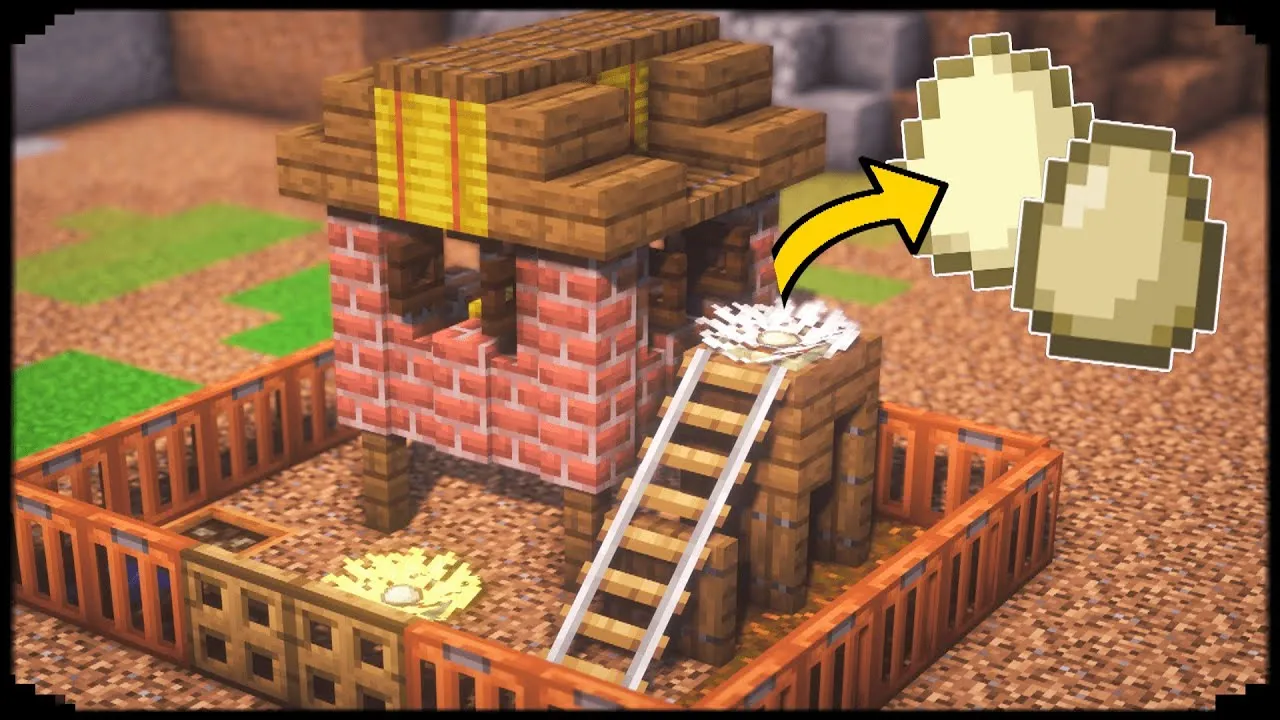
Planning Your Minecraft Chicken Coop
Building a chicken coop in Minecraft is more than just a fun project; it’s a step towards self-sufficiency and resource management in the game. A well-planned coop ensures your chickens are safe, comfortable, and productive, providing a steady supply of eggs for various crafting recipes. Careful planning will save you time and resources in the long run. Consider the size of your coop relative to your needs. A small coop can house a few chickens, while a larger one can accommodate a significant flock. Before you even begin placing blocks, think about the location, the resources you’ll need, and the overall design you want to achieve. This initial planning phase sets the stage for a successful build, ensuring you don’t encounter problems later on, like insufficient space or vulnerability to hostile mobs. Moreover, a well-planned coop is aesthetically pleasing, enhancing the overall look of your Minecraft world.
Choosing the Right Location
The location of your chicken coop is crucial for both functionality and safety. First, pick a relatively flat area to make building easier. Avoid locations near cliffs or water, as these can pose risks to your chickens. The ideal spot is also close to your base or other important structures, as this makes it easier to collect eggs and tend to your chickens regularly. Consider the proximity of trees and other natural features. While trees can provide shade, they can also obstruct your view and potentially provide cover for hostile mobs. A location with good lighting is essential; this ensures your chickens can thrive and allows you to easily navigate the coop, even at night. Choose a location that complements your overall base design to enhance the visual appeal of your build.
Considering Accessibility

Accessibility is a key factor in determining the convenience of your chicken coop. Ensure that the coop is easily accessible for both you and the chickens. Include a clearly defined entrance and exit. This can be a simple door or a more elaborate hatch. Design the entrance with your needs in mind. If you want to easily collect eggs without fully entering the coop, consider a design that allows you to reach inside. Similarly, the chicken’s exit should be safe, allowing them to roam around freely but not escape or be exposed to danger. Think about the path you’ll take to reach the coop. Clear any obstacles, such as trees or other buildings, to create an easy pathway. If you plan on expanding your chicken population, leave room for future expansion and modification to your coop.
Gathering Essential Resources
Before you start building, gather all the necessary resources. This will streamline the construction process and prevent interruptions. The primary materials you’ll need are wood, glass panes or blocks, and fences or walls. Having these resources readily available ensures you can build efficiently. Also, think about any additional decorative items, such as carpets, torches, or flower pots. These small additions can significantly enhance the appearance and functionality of your coop. It’s also useful to create a storage area near the building site to keep your resources organized. This eliminates the need to constantly run back and forth to your main storage and helps keep your building space tidy and efficient. Always gather a bit more resources than you think you need to avoid running out mid-build.
Wood
Wood is the primary building material for your chicken coop. Any type of wood works, but different wood types offer different aesthetics. Oak wood is readily available and a good starting point. Spruce and dark oak offer a darker, more rustic look, while birch and jungle wood provide lighter tones. The amount of wood needed depends on the size and design of your coop. Chop down trees and convert the logs into planks. You’ll also need to craft sticks for tools like fences and ladders. Consider the overall style of your base when choosing your wood. If you’re going for a traditional aesthetic, oak or birch might be best. For a more modern look, try spruce or dark oak. Proper planning of wood usage will also prevent waste.
Glass Panes or Blocks

Glass is essential for allowing light into your coop. It also lets you see your chickens and prevents them from escaping. Glass panes are aesthetically pleasing and offer a cleaner look compared to glass blocks, but both work. To make glass, you’ll need sand and a furnace. Place the sand in the furnace and fuel it with coal or wood. Once the sand smelts, you’ll receive glass blocks. Then, you can craft glass panes. The amount of glass you need will depend on the number of windows and their size in your design. Position your glass strategically to maximize light exposure. Consider the direction of the sun to ensure that your coop receives enough light throughout the day. Use glass to create windows, allowing you to monitor your chickens without fully entering the coop.
Fences or Walls
Fences or walls are crucial for containing your chickens and protecting them from hostile mobs. Fences are the traditional option, offering a good balance of safety and visibility. Walls provide better protection but can obstruct your view. You can mix and match fences and walls to create a unique design that balances safety and visibility. To craft fences, you’ll need sticks and either wooden planks or the appropriate material based on the type of fence. For example, a fence made from dark oak needs dark oak planks. Walls are made from the base material, like cobblestone or stone bricks. When using fences, ensure the gaps are small enough that chickens cannot escape. If you are constructing walls, consider using a material that complements your base’s overall aesthetic.
Building the Coop Structure
Now that you have planned and gathered resources, it’s time to build the coop. Start by creating the foundation, followed by the walls and the roof. The design can be as simple or complex as you desire. A simple rectangular structure is efficient, while a more elaborate design can enhance the overall look of your base. Ensure that the coop is large enough to accommodate the chickens you plan to house, providing them with enough space to move around comfortably. While building, continuously check for potential weak points in your design that hostile mobs could exploit. Choose building materials that are appropriate for your base style and ensure the structure’s integrity. A well-constructed coop provides both safety and aesthetics, contributing to the overall enjoyment of your Minecraft world.
Creating the Foundation

The foundation is the base upon which your entire coop rests. It defines the structure’s shape and size. Begin by clearing a level area of the desired size. Use any block to create a border, marking the perimeter of your coop. You can use the same material as the walls or a contrasting block. The foundation also serves as a visual guide as you build the walls. A well-defined foundation not only improves the coop’s appearance but also makes it easier to build and modify. Ensure the foundation is solid and level. If building on uneven terrain, you may need to use blocks to create a level surface. The foundation also helps to prevent mobs from spawning inside your coop.
Building the Walls
Once the foundation is in place, you can start building the walls. The height of the walls depends on your preference and the design of the coop. Generally, walls that are at least two to three blocks high are recommended to contain the chickens. Use your chosen building material to construct the walls, ensuring they align with the foundation. Leave spaces for windows and doors. Windows will allow light into the coop, and doors will provide access. Make sure the walls are sturdy and secure. Consider adding decorative elements, such as different colored blocks or patterns, to add visual appeal. Check your walls for any potential weaknesses, especially at corners or where the walls connect to the foundation or roof. Build the walls with a consistent thickness for structural integrity.
Constructing the Roof
The roof protects your chickens from the elements and adds a finishing touch to the structure. The roof can be flat, sloped, or even curved, depending on your design preferences. Use slabs, stairs, or full blocks to build the roof. Sloping roofs can shed rain and snow. A flat roof can provide a platform to stand on. Ensure the roof fully covers the coop’s interior. Consider the materials you use for your roof, as they can affect the overall look of the coop. For example, wooden planks and stairs give a rustic look, while stone slabs can provide a cleaner aesthetic. Make sure your roof is sealed properly to prevent any unwanted entry from outside sources. Add overhangs to give your coop a more visually appealing design.
Adding Essential Features

Once the basic structure of your coop is complete, it’s time to add essential features to enhance its functionality and comfort. Designing the interior, adding a hatch or door, and ensuring proper lighting are all crucial elements. These features make your coop a practical and safe environment for your chickens, ultimately improving their productivity and your overall experience in Minecraft. The more thought and detail you put into these features, the better your coop will be. These features not only add practicality but also enhance the aesthetics, making your coop a pleasant addition to your base.
Designing the Interior
The interior design of your coop directly impacts the comfort and well-being of your chickens. Include essential elements such as nesting boxes and a feeding area. Nesting boxes provide a safe and comfortable place for chickens to lay eggs. Position the nesting boxes in a secluded area where the chickens feel secure. A feeding area should be easily accessible. You can use hoppers to manage automatic feeding systems. Ensure the floor is clean and easy to maintain. Consider adding a water source as well. Leave enough space for the chickens to move around freely, and try not to overcrowd the interior. Interior design considerations include practicality, aesthetics, and the safety of your chickens. The design contributes to the efficiency of egg collection.
Adding a Hatch or Door
The hatch or door provides entry and exit to your coop. The design should be both functional and aesthetically pleasing. If your coop is small, a simple door will suffice. For larger coops, you might consider a hatch that allows for easier egg collection. Consider placing the hatch or door in a location that minimizes obstructions. You can use a fence gate for the door. This gives you easy access while allowing the chickens to roam freely. The use of redstone can make the door automatic, opening and closing at your command. Make sure the door is secure and can prevent hostile mobs from entering the coop, especially at night or when you’re away. The size and style of the door can affect the overall appearance of your coop.
Lighting Your Coop

Proper lighting is essential for your chicken coop. Chickens need light to lay eggs, and good lighting also prevents the spawning of hostile mobs inside the coop. Place torches, lanterns, or other light sources strategically throughout the coop. Position the light sources evenly to avoid shadows and ensure all areas are well-lit. Place lighting high enough to prevent chickens from interfering with them. Lanterns and sea lanterns are good options. They provide bright, ambient light. You may want to consider using multiple light sources to ensure that the coop is well-lit at all times. Avoid using lighting that might be a fire hazard. Adequate lighting also makes egg collection easier, especially during nighttime. Brightness levels need to be adequate without being excessive.
Protecting Against Enemies
Protecting your chickens from hostile mobs is crucial for their survival and your peace of mind. Minecraft is full of creatures that can harm your animals, so you must take appropriate protective measures. A secure coop design will minimize risks, ensuring that your chickens are safe day and night. This involves strategies like preventing mob spawns and securing the perimeter of your coop. A well-protected coop means fewer losses, a more productive environment, and a more enjoyable gameplay experience. Implementing these measures protects your investment in the chickens.
Preventing Mob Spawns
Preventing hostile mobs from spawning inside your coop is essential. Mobs can harm your chickens, and clearing them can be time-consuming. The primary method of preventing mob spawns is adequate lighting. Ensure the entire interior is well-lit, as mobs spawn in dark areas. Use torches, lanterns, or other light sources strategically. You can also use a combination of torches and other lighting. Be sure to check the roof and any corners. Make sure there are no dark spots where mobs could spawn. Regularly inspect your coop for any potential spawning areas, and adjust your lighting as needed. This helps maintain the safety of your chickens and ensures that your coop remains a safe haven.
Securing the Perimeter

Securing the perimeter of your coop helps keep hostile mobs out. Use fences, walls, or other solid blocks to create a barrier around the coop. Fences are a popular choice and provide a good balance of safety and visibility. Walls offer greater protection but might obstruct your view. Ensure the perimeter is solid and has no gaps that mobs can exploit. Check the perimeter regularly for any weaknesses or potential points of entry. You can add a roof over your coop to protect your chickens from attacks. Also, make sure all doors and hatches are secure, especially at night. You can also build a moat or a defensive structure around your coop. The perimeter defense is one of the primary ways to protect your chickens, and it contributes to your overall base security.
Populating and Maintaining the Coop
Once your coop is built and protected, it’s time to populate it with chickens and maintain it. This involves adding chickens, harvesting eggs, and keeping the coop environment clean and safe. Regular maintenance ensures that your chickens remain healthy and productive. This part of the process is where you’ll start reaping the benefits of your construction efforts. A well-maintained coop is a sustainable resource, providing a consistent supply of eggs for crafting and other uses. The effort ensures you get the most from your chicken coop.
Adding Chickens to Your Coop
Adding chickens to your coop is the final step. The easiest way to get chickens is by finding them in the wild. Once you’ve found chickens, you can lure them into your coop using wheat seeds. Another method is to breed chickens. You need two chickens and feed them wheat seeds. They will then enter love mode and produce a baby chicken. Make sure to have enough space to accommodate the number of chickens you want to house. Start with a few chickens and increase your flock size over time. Consider their needs when adding chickens. Overcrowding can lead to reduced egg production and the spread of diseases. Add a few chickens at a time to avoid overpopulation and stress.
Harvesting Eggs

Harvesting eggs is a regular task that provides a steady supply of resources. Chickens lay eggs periodically. Collect them from the nesting boxes or wherever the chickens lay them. The egg collection frequency depends on the number of chickens you have. You can use eggs for crafting cakes and other recipes, as well as for brewing potions. Keep a close eye on your egg production, as this can provide valuable resources in the game. Eggs are also used for breeding more chickens. Eggs are used in various crafting recipes, making this activity essential. Consider automated egg collection systems to enhance efficiency, depending on your needs.
Maintaining the Coop Environment
Maintaining the coop environment is essential to keep your chickens healthy and productive. Keep the coop clean to prevent the spread of diseases. Regularly clean the floor of the coop, removing any waste or debris. Ensure that your chickens have access to fresh water. Provide a feeding area with a supply of food. Check the lighting and make sure it is adequate for the chickens. Ensure the coop remains protected from the elements and hostile mobs. If you see a sick chicken, isolate it to prevent the spread of disease. A well-maintained coop provides a healthy and comfortable environment for your chickens, increasing productivity. Maintain the coop for the health of the chickens and optimize your egg production.