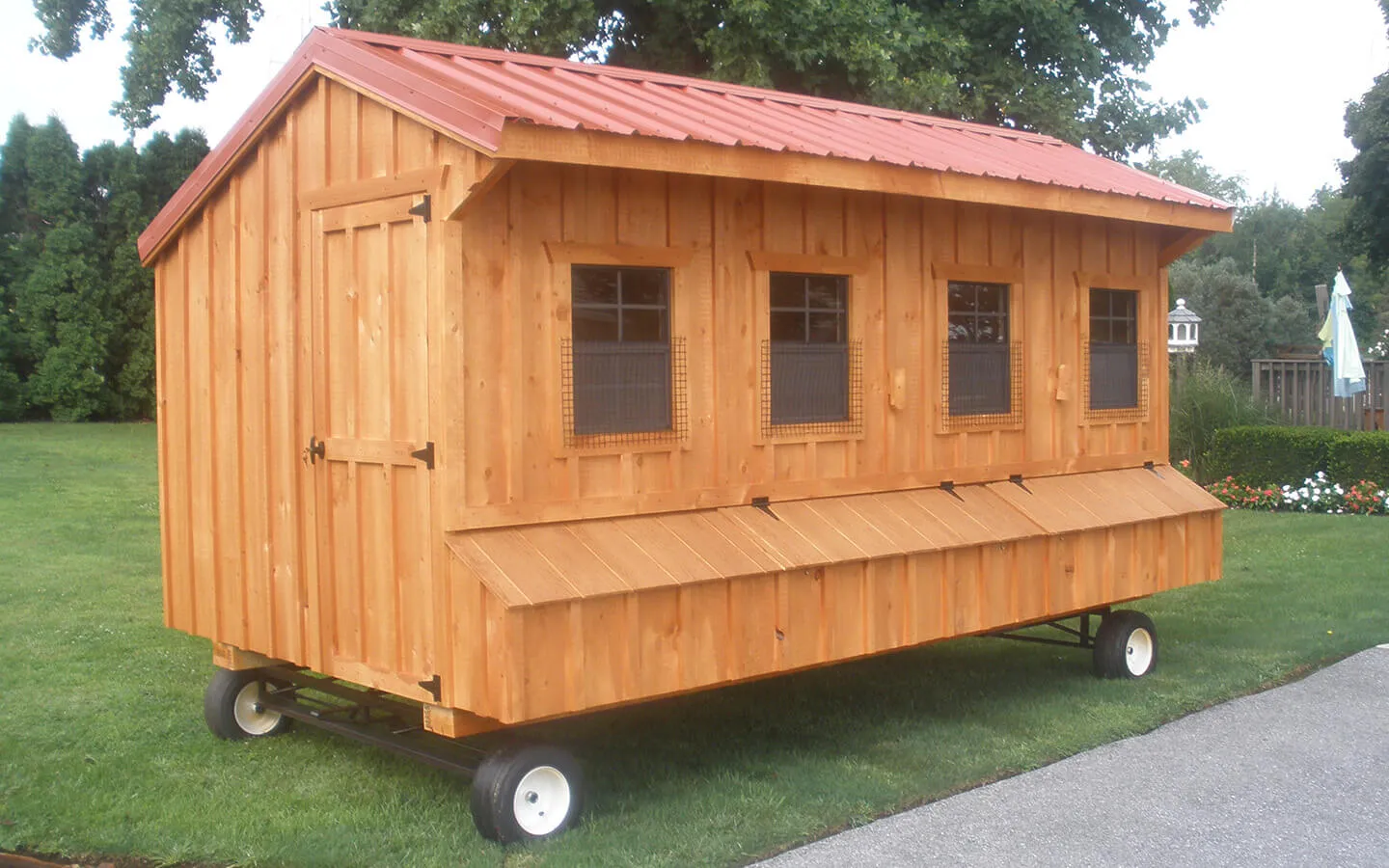
What is a Mobile Chicken Coop
A mobile chicken coop, also known as a chicken tractor, is a portable enclosure designed to house chickens while allowing them to graze on fresh pasture. Unlike stationary coops, mobile coops can be moved around the yard or field, providing chickens with access to new foraging grounds and preventing the build-up of waste and diseases in one area. These coops typically feature wheels or skids for easy relocation, making them a practical choice for small-scale poultry farming and backyard chicken enthusiasts. The design focuses on portability, security, and providing chickens with a comfortable and stimulating environment.
Why Choose a Mobile Chicken Coop
Choosing a mobile chicken coop offers several advantages over traditional stationary coops. The primary benefit is the ability to provide fresh foraging opportunities for your chickens. By regularly moving the coop, you expose your flock to new sources of insects, seeds, and greens, which contribute to a healthier and more diverse diet. This natural foraging behavior leads to happier, healthier chickens and, often, better egg production. Additionally, a mobile coop helps manage the pasture, preventing overgrazing and allowing the ground to recover. This rotational grazing also helps to control parasites and diseases, as the chickens are not constantly exposed to the same area.
Benefits of a Mobile Chicken Coop

The benefits of a mobile chicken coop extend beyond just fresh food and pasture management. A mobile coop promotes healthier chickens, reducing the need for medications and interventions. The chickens’ access to a variety of foods and the opportunity to exhibit natural behaviors lead to stronger immune systems and reduced stress levels. Moreover, the manure produced by the chickens is distributed more evenly across the pasture, acting as a natural fertilizer. This fertilization process helps to improve soil health and fertility, which benefits the overall ecosystem of your yard or farm. The portability of the coop also allows you to easily integrate chickens into your garden, helping to control pests and providing valuable nutrients to the soil.
Mobility and Pasture Management
Effective pasture management is a cornerstone of mobile chicken coop use. By moving the coop frequently, you can prevent overgrazing in any one area. This rotational grazing system allows the grass to regrow, maintaining a healthy and vibrant pasture. The chickens’ manure, distributed across the field, provides natural fertilization, enriching the soil and promoting plant growth. Regular movement also helps to control the build-up of parasites and diseases in the soil, which can affect the health of your flock. A well-managed pasture provides the chickens with a diverse diet, reducing the need for supplemental feed and contributing to overall health and well-being. Planning the rotation schedule based on pasture size and chicken density is essential for optimal results.
How to Plan Your Mobile Chicken Coop
Planning your mobile chicken coop involves several key considerations to ensure its success. First, determine the size of your flock and the space required for each bird. Research the typical requirements, accounting for roosting space, nesting boxes, and overall living area. Then, consider the dimensions of the coop based on these needs. Plan your coop’s location, ensuring it is in a secure area protected from predators and extreme weather conditions. Assess the terrain of your property, noting any slopes or obstacles that might affect the coop’s mobility. Furthermore, think about the materials you will use, the weight of the coop, and how easily it can be moved by one or two people. A well-thought-out plan will ensure a functional and practical coop for your chickens.
Choosing the Right Materials

Selecting the right materials is crucial for the durability and functionality of your mobile chicken coop. Opt for weather-resistant and durable materials that can withstand the elements. Pressure-treated lumber is a good choice for the frame, as it resists rot and insect damage. The coop walls can be constructed from wood panels or wire mesh, depending on the level of ventilation and protection you desire. Ensure the mesh is small enough to keep out predators like raccoons and foxes. Use sturdy hardware, such as screws and hinges, designed for outdoor use. For the roof, consider using materials like corrugated metal or asphalt shingles, which provide good protection from rain and sun. The choice of materials directly impacts the coop’s lifespan and the safety of your chickens.
Building the Coop Structure
Constructing the coop structure requires careful attention to detail and adherence to your design plan. Start by building the frame, ensuring it is square and level. Use strong joints and secure connections to create a robust foundation. The frame should be appropriately sized to accommodate the chickens, allowing for roosting, nesting, and free movement. Once the frame is complete, install the walls, roof, and any other structural elements. Consider incorporating features like a sloped roof to shed water and prevent leaks. The coop should have adequate ventilation to provide fresh air and prevent moisture buildup, which can lead to respiratory issues and diseases. Ensure all edges are smooth to prevent injuries, and use non-toxic materials to protect the chickens.
Constructing the Coop Base
The base of your mobile chicken coop is critical for stability and mobility. You can build a simple wooden base, or incorporate a metal frame for added durability. The base should be strong enough to support the weight of the coop and the chickens, as well as any additional equipment. If using wood, ensure it is treated to resist rot and moisture. The base design should facilitate the attachment of wheels or skids, making it easy to move the coop. Proper construction of the base will help to ensure that the coop remains level when moved, providing a comfortable and safe environment for your chickens. Consider the terrain on which you will be moving the coop and design the base accordingly, to handle uneven ground.
Adding Wheels and Mobility Features

Adding wheels and other mobility features is what transforms your stationary coop into a mobile one. Choose wheels that are suitable for the terrain of your yard or field. Pneumatic tires offer good shock absorption and are ideal for uneven surfaces, while solid rubber wheels may be better suited for flatter areas. Consider the size and weight of your coop when selecting the wheels, ensuring they can bear the load. The axle should be sturdy and securely attached to the coop’s base. Incorporate a handle or tow bar to facilitate easy movement. A well-designed mobility system makes moving the coop a simple task, enabling you to relocate it as needed to provide fresh foraging opportunities and manage your pasture effectively.
Creating the Chicken Run
The chicken run provides an enclosed outdoor space where chickens can safely forage and exercise. When designing the chicken run, consider the size of your flock and the amount of space required per bird. The run should be large enough to allow the chickens to move freely and engage in natural behaviors like scratching and pecking. Use sturdy wire mesh or fencing to contain the chickens and protect them from predators. Bury the wire mesh several inches underground to prevent digging predators from entering. Ensure the fencing is tall enough to prevent the chickens from flying over it. The chicken run should provide shade and protection from the elements, with access to fresh water and a source of supplemental feed if needed.
Essential Features for Your Mobile Coop
Several essential features will enhance the functionality and safety of your mobile chicken coop. These include roosting bars for the chickens to sleep on, nesting boxes for egg-laying, and a secure door with a reliable latch. Ensure the coop has adequate ventilation to prevent the build-up of moisture and harmful gases. Consider incorporating a removable droppings tray to make cleaning easier. Add a waterer and feeder to provide easy access to fresh water and food. Incorporating these features contributes to a comfortable and secure environment for your chickens. Regularly inspect and maintain these features to ensure they are functioning correctly and to prevent any potential hazards.
Water and Feeding Systems

Providing easy access to fresh water and feed is essential for the health and well-being of your chickens. Choose waterers and feeders that are appropriate for the size of your flock. Waterers should be designed to prevent spills and contamination. Consider automatic waterers and feeders, which can reduce the amount of daily maintenance required. Place the waterers and feeders in a location that is easily accessible to the chickens, ideally in a shaded area. Regularly clean and refill the waterers and feeders to prevent the growth of algae and bacteria. Check the feed for freshness and ensure that your chickens always have access to the nutrition they need. Consider the addition of supplements or grit.
Ventilation and Climate Control
Proper ventilation and climate control are crucial for maintaining a healthy environment inside your mobile chicken coop. Adequate ventilation helps to remove moisture, ammonia, and other harmful gases that can build up inside the coop, leading to respiratory issues and diseases. Design the coop with vents that allow for good airflow, ensuring that fresh air circulates through the space. Avoid drafts, especially during the cold months, by providing some protection from the wind. In hot weather, provide shade and ensure that the chickens have access to fresh water to stay cool. The goal is to maintain a comfortable and healthy environment for your chickens, regardless of the outside weather conditions.
Security and Predator Protection
Protecting your chickens from predators is paramount. Predators such as foxes, raccoons, and coyotes can easily access a poorly secured coop. Use sturdy materials and construction techniques to build a robust coop that resists intrusions. Bury the wire mesh of the run underground to prevent digging predators from entering. Use strong latches and locks on doors and access points. Consider adding hardware cloth or wire mesh to vulnerable areas. Secure the coop at night or when unattended. Regularly inspect the coop for any signs of damage or weakness and address them promptly. The best approach combines structural defenses with vigilance and awareness of local predator activity.
Maintaining and Moving Your Mobile Chicken Coop

Regular maintenance and safe moving practices are key to ensuring the longevity and effectiveness of your mobile chicken coop. Regularly clean the coop, removing manure and soiled bedding to maintain a hygienic environment. Inspect the coop for any signs of wear and tear and make necessary repairs promptly. Lubricate the wheels and moving parts as needed. When moving the coop, do so carefully, ensuring that the chickens are safe and the coop is not damaged. Plan your move in advance, considering the terrain and any obstacles. With proper maintenance, your mobile coop will provide years of service.
Regular Coop Maintenance
Regular coop maintenance includes several essential tasks. Cleaning the coop regularly is necessary to maintain a healthy environment, remove manure, and prevent the build-up of harmful bacteria. Change the bedding frequently to keep the coop dry and comfortable. Inspect the coop for any signs of damage or wear and tear, and address them promptly. Regularly check the waterers and feeders, cleaning them as needed. Provide fresh water and food daily. Regularly check the ventilation system, ensuring it is free of obstruction. A well-maintained coop leads to healthier chickens and more efficient egg production.
Moving Your Coop Safely
Moving your mobile chicken coop safely involves planning and preparation. Before moving the coop, ensure that the chickens are safely contained. Inspect the coop for any loose items or hazards that could pose a risk during the move. Choose a suitable route for moving the coop, avoiding any obstacles or steep inclines. Move the coop slowly and carefully, paying attention to the terrain. Ensure the wheels and moving mechanisms are functioning correctly. Recruit assistance if necessary. If possible, move the coop during daylight hours to improve visibility. After moving the coop, check the chickens to make sure they are safe and sound. Proper planning and execution ensure that the chickens are safe and that your coop is not damaged.
Tips for Successful Mobile Chicken Coop Management

Successful mobile chicken coop management involves a combination of planning, diligence, and observation. Monitor your chickens regularly for signs of illness or distress. Adjust the coop’s position as needed to provide fresh foraging opportunities and manage the pasture effectively. Observe the chickens’ behavior to understand their needs and preferences. Provide supplemental feed and water as necessary. Regularly inspect the coop for potential issues and make repairs promptly. Keep a record of your flock’s egg production and any health issues that arise. Stay informed about best practices for chicken care and adapt your management techniques accordingly. Careful observation, planning, and consistent care are essential for success.
Common Challenges and Solutions
Managing a mobile chicken coop presents certain challenges that can be mitigated with careful planning. One common challenge is predator attacks. Secure your coop with strong materials and construction techniques to prevent intrusion. Overgrazing is another potential issue, but can be addressed with rotational grazing and regular coop movement. Weather can also present challenges. Make sure your coop has adequate ventilation and protection from the elements. Disease outbreaks can be minimized by keeping the coop clean and by quarantining new birds. A proactive approach, careful planning, and observation can overcome these challenges, leading to success with mobile chicken coops.
Maximizing Egg Production
Maximizing egg production with your mobile chicken coop requires a multifaceted approach. Ensure the chickens have a balanced diet, including a high-quality layer feed. Provide access to fresh water at all times. The chickens should be comfortable and stress-free, with adequate space and protection from predators. Ensure that the coop is properly ventilated and clean. Consider adding supplemental lighting during the winter months to extend the laying hours. Regularly collect eggs to encourage the chickens to keep laying. Monitor your flock for any signs of illness or disease. By paying attention to these details, you can support optimal egg production throughout the year.