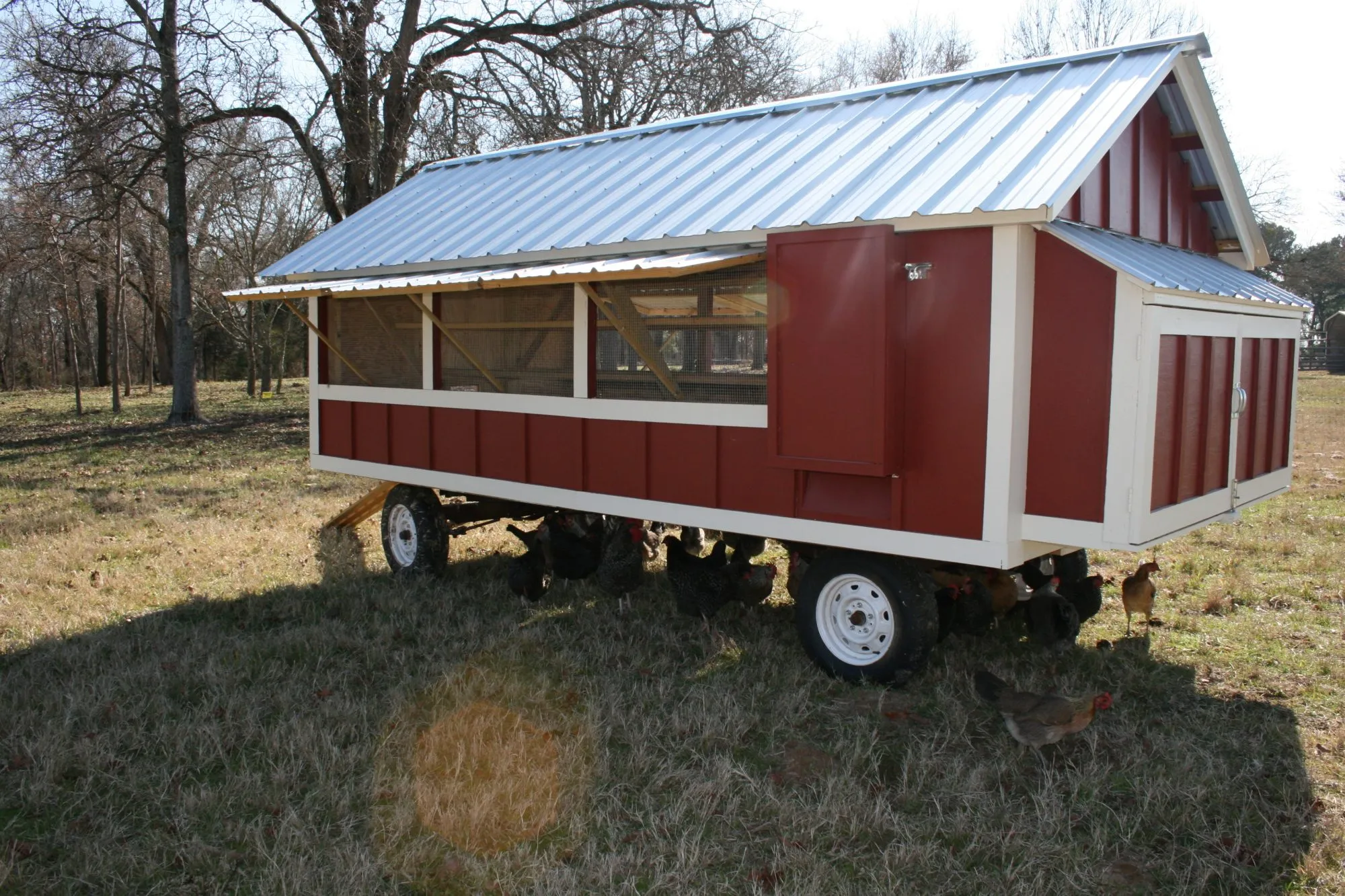
Planning Your Mobile Chicken Coop
Building a mobile chicken coop offers a fantastic way to provide your chickens with fresh pasture, minimize waste, and make coop maintenance a breeze. Unlike stationary coops, a mobile coop allows you to move your flock to new areas of your yard, providing access to fresh grass, insects, and a cleaner environment. This guide will walk you through the essential steps to plan, design, and build a mobile chicken coop tailored to your flock’s needs. Proper planning ensures you build a coop that is both functional and safe for your chickens, and also durable and easy to maneuver.
Choosing the Right Size
The size of your mobile chicken coop is a critical factor that impacts the health and well-being of your chickens. Overcrowding leads to stress, disease, and reduced egg production. A general guideline is to provide each chicken with at least 4 square feet of space inside the coop and 8-10 square feet in the outdoor run area. Consider your flock’s size and breed when determining the coop dimensions. Larger breeds require more space than smaller ones. Planning for future expansion is also wise; you may want to add more chickens later. The coop’s size affects its mobility, so balance the chickens’ needs with the practicality of moving the coop.
Factors to Consider

Several factors influence the ideal size. Climate plays a role, as chickens in colder climates may need more enclosed space. The breed of chicken is another factor, as larger breeds need more space. Consider the local predator situation, as a larger coop may be more challenging to predator-proof. Finally, think about your yard’s terrain and the space available for moving the coop. A balance is necessary for size, maneuverability, and the chickens’ well-being.
Selecting Materials for Durability
Choosing the right materials is crucial for the longevity and functionality of your mobile chicken coop. The coop will be exposed to the elements, so select materials that can withstand weather, wear, and the curious pecks of chickens. The best materials are durable, weather-resistant, and non-toxic to the chickens. Avoid materials that splinter easily or contain harmful chemicals. Consider the overall weight of the coop, as lighter materials can make it easier to move. The materials selected will impact the coop’s lifespan and the effort required for maintenance.
Wood Types and Treatments
Wood is a popular choice for chicken coops. Opt for naturally rot-resistant wood species like cedar or redwood, which are excellent choices. If using treated lumber, ensure it is safe for animals. Avoid pressure-treated wood containing arsenic. Untreated wood may require regular maintenance, like sealing and painting, to protect it from the elements. Choose a non-toxic sealant or paint specifically designed for outdoor use. Avoid using any materials with dangerous chemicals that can harm the chickens.
Hardware and Fasteners

High-quality hardware and fasteners are essential for a sturdy coop. Use galvanized or stainless steel screws, nails, and hinges to prevent rust and corrosion. These materials will withstand the weather elements and constant use. Consider using exterior-grade wood glue for added strength. Securely attach all components of the coop frame, walls, and roof to withstand wind and the weight of the structure. Proper hardware ensures the coop remains intact during movement and provides a safe and secure environment for your chickens.
Designing the Coop Structure
The structural design of your mobile chicken coop dictates its stability, functionality, and overall effectiveness. A well-designed coop provides shelter from the elements, protection from predators, and a comfortable living space for your chickens. The key is to balance functionality with ease of construction and mobility. The structural design should consider the coop’s base, walls, roof, and access points, as well as the integration of mobility features like wheels or skids.
The Coop Frame
The coop frame forms the skeleton of your mobile chicken coop, providing structural integrity. Use sturdy lumber, such as 2x4s, for the frame. This will create a strong and stable base and support for the walls, roof, and other components. The frame should be square and level, ensuring proper alignment and stability. Consider the dimensions of the coop and the weight of the chickens when designing the frame. Reinforce the frame at the corners and joints for extra strength. A solid frame is essential to the coop’s longevity and its ability to withstand movement.
Constructing the Base

The base is the foundation of your mobile chicken coop. It needs to be sturdy and designed to support the entire structure. You can create a base using the same lumber as the frame. Ensure the base is level and square. Consider adding a floor to the coop, which can be constructed from plywood or another durable material. Ensure the base is securely attached to the frame. If you plan to add wheels, incorporate the wheel mounts into the base design. The base is essential for the coop’s structural integrity and its ability to be moved safely.
Building the Walls
Build the walls on the coop frame. You can use wood panels, plywood, or even wire mesh for the walls. If using wood, ensure the panels are securely attached to the frame using screws or nails. For ventilation and light, you can incorporate wire mesh or hardware cloth sections into the walls, ensuring they are properly secured. Ensure there are no gaps or openings where predators could enter. Consider the weather conditions in your area and the level of insulation needed to keep your chickens comfortable. Properly constructed walls provide shelter and protection for your flock.
Roofing and Weather Protection
The roof protects your chickens from rain, sun, and other elements. Choose a roofing material that is durable, weather-resistant, and easy to install. The roof should extend beyond the coop walls to provide overhang, preventing water from running down the sides. Proper ventilation is also essential for the health of your chickens. The roof design is important for keeping the inside environment dry and well-ventilated. Consider the slope of the roof to ensure efficient water runoff. A well-designed roof contributes significantly to the longevity of your coop.
Choosing the Right Roof Material

Several roofing materials are suitable for mobile chicken coops. Asphalt shingles are a popular choice due to their affordability and ease of installation. Metal roofing, such as corrugated steel or aluminum, is another durable and weather-resistant option. Consider the weight of the material, as a heavier roof might affect the coop’s mobility. Ensure the chosen material is properly installed and sealed to prevent leaks. Choose a material that complements the overall design and aesthetics of your coop.
Adding Ventilation
Proper ventilation is essential for the health of your chickens, preventing the build-up of moisture, ammonia, and other harmful gases. Incorporate vents into the roof or walls to allow for airflow. Consider installing vents that can be closed during cold weather and opened during warmer months. Ensure the vents are designed to prevent drafts and provide adequate airflow without compromising security. Ventilation helps maintain a healthy environment inside the coop, reducing the risk of respiratory diseases and promoting the well-being of your flock.
Integrating Mobility Features
The core of a mobile chicken coop is its ability to move. This means incorporating features that allow you to easily relocate the coop to different areas of your yard. The specific features will depend on the size and weight of the coop, the terrain of your yard, and your personal preference. Designing the coop with mobility in mind from the beginning will make it easier to move and manage your chickens. Consider your needs to ensure the coop provides you with ease of mobility.
Wheels and Axles

Wheels and axles are the primary components for moving your mobile chicken coop. Choose wheels that are appropriate for the coop’s weight and the terrain of your yard. Pneumatic tires are suitable for uneven ground, while solid rubber wheels work well on smoother surfaces. Attach the wheels to axles that are securely mounted to the coop frame. Consider using a wheelbarrow-style design for smaller coops or adding a set of wheels at each corner for larger coops. The placement and type of wheels will significantly impact the coop’s maneuverability. Regularly check the wheels and axles for wear and tear.
Tow Bar or Handle
A tow bar or handle makes it easier to move the coop. A tow bar is ideal for larger coops. It can be attached to a garden tractor or ATV. A handle is more suitable for smaller coops and allows you to pull the coop by hand. The handle should be ergonomically designed for comfortable use. Ensure the tow bar or handle is securely attached to the coop frame. The tow bar or handle design will determine how easily the coop can be moved. The design chosen should allow the coop to be moved safely and with ease.
Creating a Secure and Functional Interior
The interior of your mobile chicken coop should be designed to provide a safe, comfortable, and functional living space for your chickens. It should include essential elements such as nesting boxes, roosting bars, and adequate space for feeding and watering. The interior design should also consider ease of cleaning and maintenance. The interior environment plays a significant role in the health, productivity, and overall well-being of your flock. Designing a user-friendly interior is essential.
Nesting Boxes

Nesting boxes are essential for egg-laying hens. Provide at least one nesting box for every 3-4 hens. The boxes should be positioned in a dark, quiet, and sheltered location. Design the boxes to be easily accessible for egg collection. The nesting boxes should be made of durable, easy-to-clean materials. Fill the boxes with comfortable nesting material, such as straw, hay, or wood shavings. Position the boxes away from direct sunlight. Consider providing a small lip or edge to prevent eggs from rolling out.
Roosting Bars
Roosting bars provide a place for chickens to sleep. Position the roosting bars at a comfortable height, away from the nesting boxes. Provide enough space on the roosting bars for each chicken. The bars should be made of sturdy, smooth material. Space the bars properly to avoid overcrowding. Ensure the roosting bars are easy to clean and maintain. Consider the size of your flock when determining the length of the roosting bars. Regular cleaning keeps them hygienic for your chickens.
Providing Easy Access and Security
Easy access and robust security are essential for a functional and safe mobile chicken coop. This involves creating convenient entry points for both you and your chickens, as well as implementing measures to protect your flock from predators. Proper access allows for easy care and maintenance, while strong security ensures the safety of your chickens. The design should balance ease of use with the need for protection.
Door and Ramp Design
The coop door should be designed for easy access for both you and your chickens. The door should be large enough for comfortable entry and exit, and it should securely latch. Consider a ramp or steps leading to the door for easy access for your chickens. Make sure the ramp has a non-slip surface. The door should be sturdy and weather-resistant. Consider automating the door with a timer or sensor for convenient opening and closing. Proper door and ramp design makes it easy for the chickens to enter and exit.
Predator-Proofing Techniques
Protecting your chickens from predators is crucial for their safety. Use hardware cloth or wire mesh with small openings for the walls, roof, and floor to prevent predators from entering. Bury the hardware cloth around the perimeter of the coop to prevent digging. Secure all doors and openings with strong latches or locks. Consider using motion-activated lights or other deterrents to discourage predators. A secure coop protects your flock from attacks. Regular inspection is important to maintain the predator-proof design.
Maintaining Your Mobile Chicken Coop
Regular maintenance is critical for keeping your mobile chicken coop in good condition and ensuring the health and safety of your chickens. This involves regular cleaning, inspections, and necessary repairs. A well-maintained coop will last longer and provide a comfortable living environment for your flock. Schedule regular maintenance to keep the coop in optimal condition.
Cleaning and Sanitation
Regular cleaning and sanitation are essential to prevent the spread of diseases. Remove droppings and soiled bedding regularly. Clean the nesting boxes, roosting bars, and floors. Use a poultry-safe disinfectant to sanitize the coop. Ensure the coop is completely dry after cleaning. The frequency of cleaning depends on the size of the flock and the coop’s design. Regularly clean and maintain the coop’s hygiene to protect the flock’s health. Fresh bedding should be provided regularly to help with cleaning.
Regular Inspections and Repairs
Regular inspections can identify any potential issues before they become major problems. Check for signs of wear and tear, such as loose boards, damaged hardware, or leaks. Inspect the wheels and axles for proper function and maintenance. Make any necessary repairs promptly. Check for predator damage regularly. Regular inspections and prompt repairs will help to maintain the coop’s structural integrity and ensure the safety and well-being of your chickens. Repair any damages immediately to prevent further problems. Prompt attention will extend the coop’s lifespan.