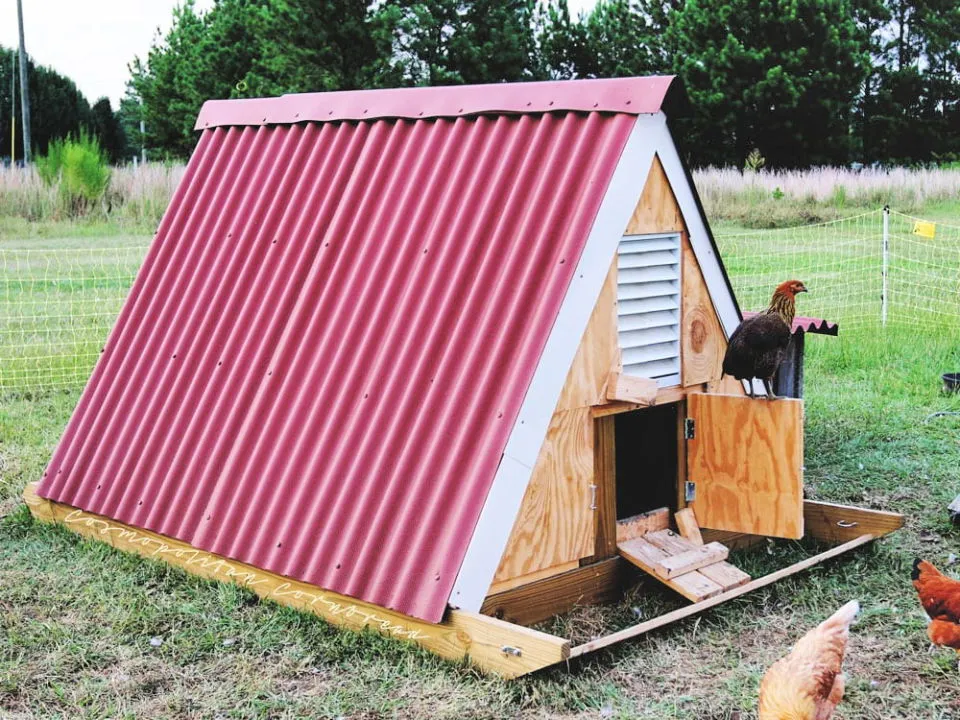
What is a Movable Chicken Coop
A movable chicken coop, as the name suggests, is a chicken coop designed to be easily moved from one location to another. Unlike stationary coops, these coops offer flexibility and numerous benefits for both the chickens and the keeper. This innovative approach to chicken keeping allows you to provide your flock with fresh pasture, reduce the buildup of waste, and minimize the risk of disease. Movable coops come in various designs, each tailored to different needs and environments. From simple chicken tractors to more elaborate wheel-based structures, the options are as diverse as the chickens themselves. Choosing the right type depends on factors like your property size, the number of chickens, and your personal preferences. But the fundamental principle remains the same giving your chickens a better life while simplifying coop maintenance for you. Having a movable chicken coop helps you to provide a healthy environment and makes chicken keeping more manageable and rewarding.
Benefits of Using a Movable Chicken Coop
Movable chicken coops offer a multitude of advantages over traditional stationary coops. These benefits directly impact the health and well-being of your chickens, the quality of your land, and the overall ease of chicken keeping. One of the most significant advantages is the ability to rotate your chickens across different areas of your property. This practice helps to prevent the overgrazing and degradation of the soil, a common problem with fixed coops. By moving the coop regularly, you give the ground time to recover, reducing the need for fertilizers and other soil amendments. Another key benefit is the control of parasites and diseases. The constant movement minimizes the buildup of chicken waste in one place, which is a breeding ground for parasites like mites and worms. The lower parasite load leads to healthier chickens, reducing the need for medication and veterinary care. A movable coop encourages chickens to forage for a wider variety of plants and insects, enriching their diet and providing them with more natural behaviors and entertainment.
Improved Pasture Quality

One of the standout benefits of a movable chicken coop is its positive impact on pasture quality. Traditional chicken coops often lead to the overgrazing and depletion of nutrients in a localized area. Chickens, confined to a single spot, consume vegetation rapidly, leading to bare patches of earth and soil erosion. The concentrated waste further degrades the soil, making it less fertile and less capable of supporting healthy plant growth. A movable coop solves these problems by allowing you to rotate the chickens across different areas of your property. This rotational grazing system mimics the natural behavior of livestock and offers several advantages. The chickens can graze on fresh, untouched vegetation, providing them with a diverse diet and preventing overgrazing in any single area. The manure is distributed more evenly, acting as a natural fertilizer and enriching the soil with essential nutrients. This process improves soil structure, increases its water-holding capacity, and promotes the growth of healthy, lush pasture. The result is a more vibrant and productive landscape that supports both the chickens and the overall health of your property.
Reduced Parasite Load
Movable chicken coops play a crucial role in reducing the parasite load on your chickens. Stationary coops often become breeding grounds for parasites, such as mites, lice, and worms, due to the accumulation of chicken waste and the confinement of birds in a small area. These parasites can cause various health problems for chickens, including anemia, skin irritation, and even death in severe cases. The constant movement of a movable coop disrupts the life cycles of these parasites. By regularly moving the coop to a new location, you prevent parasites from establishing permanent infestations. Chicken waste, which contains parasite eggs and larvae, is spread over a wider area, reducing the concentration of parasites in any one spot. Chickens are also less likely to be reinfected with parasites as they move to fresh ground. This preventative approach can significantly reduce the need for chemical treatments and medications. By keeping your chickens on the move, you naturally create a healthier environment that supports their overall well-being and productivity. The reduction in parasites translates to happier, healthier chickens that require less intervention and provide you with a greater yield of eggs and meat.
Healthier Chickens
The design of a movable chicken coop leads to healthier chickens in numerous ways. Firstly, the continuous access to fresh pasture provides a more diverse and nutritious diet. Chickens can forage for a wide variety of plants, insects, and seeds, supplementing their feed with essential vitamins, minerals, and proteins. This natural diet promotes stronger immune systems and overall vitality. Secondly, the reduced exposure to parasites and diseases contributes significantly to chicken health. Regular movement disrupts the life cycles of parasites, lowering the risk of infestations and related illnesses. Moreover, a movable coop helps control the buildup of ammonia in the coop, which is a byproduct of chicken waste. High levels of ammonia can irritate the respiratory systems of chickens, making them more susceptible to respiratory infections. Moving the coop to a new location allows the ground to absorb the waste and allows for better air circulation. This results in cleaner, more hygienic living conditions. Also, providing chickens with a stimulating and enriching environment. The ability to explore new areas, forage for food, and engage in natural behaviors reduces stress and boredom, leading to happier and healthier birds. The combination of these factors results in chickens that are more resilient, productive, and less likely to suffer from common ailments, making movable coops a valuable tool for responsible chicken keeping.
Movable Chicken Coop Designs

Movable chicken coops come in a variety of designs, each tailored to different needs, preferences, and property types. The best design for you depends on factors like your flock size, the terrain of your property, and how often you plan to move the coop. Some designs are simple and inexpensive to build, while others offer more elaborate features and greater durability. Understanding the different types of movable coops will help you choose the one that best suits your needs and allows you to provide your chickens with a healthy and stimulating environment. From simple chicken tractors to more complex wheel-based models, the options provide flexibility and are designed to accommodate different chicken-keeping styles. Choosing the right design is an essential step in ensuring the success of your movable chicken coop system. Consider how easy it is to move, the protection it offers from predators, and its ability to withstand weather conditions.
Mobile Chicken Tractor
A mobile chicken tractor is a simple and lightweight movable coop designed to provide chickens with access to fresh pasture. Chicken tractors typically consist of a frame covered with wire mesh or netting, and a sheltered area for roosting and laying eggs. They are typically small and easy to move, making them ideal for small flocks and for frequent relocation. These coops are often built with wheels or skids to facilitate movement, making them relatively easy to push or pull across the ground. The open design of a chicken tractor allows chickens to forage for food and enjoy direct access to the ground, promoting a natural and healthy lifestyle. One of the main advantages of a chicken tractor is its portability, allowing you to move your flock regularly to fresh areas of pasture. This practice minimizes the buildup of waste, reduces the risk of parasites, and gives the ground time to recover. While chicken tractors are relatively simple to build, it is crucial to ensure they provide adequate protection from predators and the elements. The lightweight nature of these coops makes them more susceptible to wind and adverse weather conditions, so secure them properly.
Skid-Based Coop
A skid-based coop is a type of movable chicken coop that rests on skids or runners rather than wheels. This design offers a stable and durable option for chicken keepers who want a coop that is easy to move but does not require the maintenance of wheels. Skid-based coops are generally built with a sturdy wooden frame and are often enclosed with wire mesh or solid panels for protection from predators and the elements. The skids allow the coop to be dragged or slid across the ground, making it simple to relocate the chickens to new areas of pasture. The primary benefit of a skid-based coop is its relative stability and ease of construction. The design eliminates the need for wheels, which can be prone to damage or require regular maintenance. Skid-based coops are a good choice if your property has relatively flat terrain and you don’t need to move the coop frequently. This design provides adequate protection from predators and weather conditions, but the ease of movement is slightly compromised compared to coops with wheels. Careful planning and design are essential to ensure the coop is easy to move. Consider the weight and size of the coop, and make sure the skids are positioned to distribute the weight evenly.
Wheel-Based Coop

A wheel-based coop is a more sophisticated movable chicken coop design that incorporates wheels to make it easy to move the coop across various terrains. Wheel-based coops range from simple designs with small wheels to more elaborate structures with larger wheels, handles, and towing capabilities. These coops are generally built with a robust frame and are enclosed with wire mesh, solid panels, or a combination of both, offering a high level of protection from predators and the elements. The wheels allow you to move the coop with minimal effort, making it ideal for frequent relocation. Wheel-based coops are a great option for chicken keepers who want maximum flexibility and want to move their coops across uneven terrain or larger properties. The key to a successful wheel-based coop is to choose appropriate wheels for the terrain. Larger, all-terrain wheels will be necessary if your property has rough or hilly ground. Wheel-based coops provide a high level of convenience and can be designed to incorporate various features, such as built-in nesting boxes, roosting bars, and even automatic feeders and waterers. Keep in mind that wheel-based coops can be more complex to build and maintain, so make sure you plan the design carefully.
Building Your Own Movable Chicken Coop
Building your own movable chicken coop can be a rewarding project, allowing you to customize the design to your specific needs and preferences. It offers greater control over the quality of materials and construction, which can be more cost-effective than buying a pre-built coop. Planning and preparation are critical to success. Begin by researching different coop designs and selecting a design that aligns with your skills, budget, and flock size. The next step is to create detailed plans, including a materials list and construction diagrams. Gathering the right tools and materials is essential before you begin construction. You’ll need basic carpentry tools, such as a saw, drill, hammer, measuring tape, and level. The materials needed will vary depending on the design, but typically include lumber for the frame, wire mesh or solid panels for the walls, roofing materials, and hardware such as nails, screws, and hinges. Following the construction steps carefully is essential to ensure the coop is sturdy, safe, and functional. Take your time and double-check measurements before cutting and assembling the components. Consider adding features that improve the functionality and comfort of your coop, such as nesting boxes, roosting bars, and ventilation systems. Building your own movable chicken coop allows you to create a unique and practical space for your chickens.
Planning and Design
The planning and design phase is crucial for building a successful movable chicken coop. Before you start construction, you need to carefully consider several factors to ensure the coop meets your needs and the needs of your chickens. Start by determining the size of the coop, based on the number of chickens you plan to house. A general rule of thumb is to provide at least 4 square feet of floor space per chicken inside the coop and more space in the run. Consider your property and the available space. Choose a design that fits the size and shape of your yard, and factor in any obstacles or limitations. Select a design that is appropriate for your climate and local conditions. This includes providing adequate ventilation to prevent moisture buildup and insulation to maintain a comfortable temperature year-round. Choose a design that incorporates features such as nesting boxes, roosting bars, and a secure door or access point. Once you have a basic design, create detailed plans, including measurements, materials lists, and construction diagrams. These plans will serve as your guide during the building process and help ensure a well-built and functional coop. Proper planning and design will save time, effort, and ensure that you create a safe and comfortable home for your chickens.
Materials Needed

The choice of materials is essential for building a durable and long-lasting movable chicken coop. The materials you need will vary depending on the coop’s design, but some components are common to most projects. Start with the frame, which provides the structural support for the coop. Choose pressure-treated lumber, cedar, or redwood, as these materials are resistant to rot, decay, and insect damage. The walls can be constructed using a combination of materials, including wire mesh, solid wood panels, and hardware cloth. Use sturdy wire mesh to enclose the coop’s run and ensure adequate ventilation while keeping predators out. For the roof, use weather-resistant materials such as corrugated metal, asphalt shingles, or a durable wood. Selecting the right materials is critical for the longevity of your coop and the safety of your chickens. You’ll need hardware such as nails, screws, hinges, latches, and door handles. The best option is to choose stainless steel hardware. Select quality materials and plan accordingly. Make sure that the materials are non-toxic and free of sharp edges that could harm your chickens. Always prioritize safety and sustainability when choosing materials for your coop.
Construction Steps
Careful adherence to construction steps ensures that your movable chicken coop is safe, secure, and functional. Start by preparing the site, which will vary depending on your chosen design. If you are building a skid-based coop, you will need to construct a frame using lumber and then attach skids or runners. For a wheel-based coop, you will need to build the frame and then attach wheels, axles, and a handle. Begin by constructing the frame. Cut the lumber according to your plans, and assemble the frame using nails, screws, and a square to ensure accurate corners. Once the frame is assembled, add the walls. Attach the wire mesh, solid panels, or a combination of both, ensuring that the coop is predator-proof. Install the roof. Cut the roofing material to the correct size, and attach it securely to the frame. Include nesting boxes and roosting bars. Install nesting boxes in a secluded area of the coop to encourage egg-laying. Install roosting bars at a comfortable height. Finish the construction by adding any additional features, such as a door, ventilation system, and predator-proof latches. Once the construction is complete, it is essential to inspect the coop for any sharp edges or hazards and make sure the coop is secure and weather-resistant. Building your own coop is an accomplishment.
Maintaining Your Movable Chicken Coop
Maintaining a movable chicken coop is essential to ensure it remains a safe, comfortable, and healthy environment for your chickens. Regular maintenance not only extends the life of the coop but also helps prevent diseases, control pests, and keep your flock happy and productive. Cleaning and sanitation are the most critical aspects of coop maintenance. Regularly remove droppings, soiled bedding, and spilled feed to prevent the buildup of ammonia, which can irritate the chickens’ respiratory systems and promote the growth of harmful bacteria. Moving the coop regularly is a key benefit of a movable coop. Rotating the coop ensures your chickens have access to fresh pasture and that waste does not accumulate in one area. By combining these practices with regular inspections and preventative measures, you can create a sustainable and healthy environment for your flock. This commitment to ongoing care will result in a thriving flock. Proper maintenance ensures the coop remains a safe and enjoyable place for your chickens.
Cleaning and Sanitation

Regular cleaning and sanitation are critical for maintaining a healthy environment for your chickens and preventing the spread of diseases. Start by removing droppings, soiled bedding, and any spilled feed. Remove all the old bedding, such as straw, wood shavings, or hay, and dispose of it properly, often in your compost pile. Thoroughly scrub the interior of the coop, including the walls, floors, and nesting boxes. Use a solution of warm water and a poultry-safe disinfectant. Make sure the coop is completely dry. A dry coop is less hospitable to parasites and bacteria. Conduct regular pest control. Inspect the coop regularly for signs of mites, lice, and other parasites. Remove any visible parasites by hand or treat them with an approved poultry insecticide. Always use safe cleaning products. Proper cleaning and sanitation reduce the risk of disease outbreaks and support the overall health and well-being of your flock. Develop a cleaning schedule. Cleaning the coop on a regular basis, such as weekly or monthly, helps you keep up with the maintenance and catch potential problems early. By following these guidelines, you can create a clean and sanitary environment that promotes the health and happiness of your chickens.
Moving the Coop
Moving the coop is an essential part of the movable chicken coop system, providing your chickens with access to fresh pasture and promoting a healthy environment. The frequency with which you move the coop will depend on several factors, including the size of your flock, the size of your property, and the rate at which your chickens consume the available vegetation. Assess the pasture. Before you move the coop, assess the current grazing area to determine when it is time for a change. Look for signs of overgrazing. Move the coop to a new location. When the time comes to move the coop, do so carefully and safely. For chicken tractors and other lightweight coops, you can often push or pull them to the new location. For larger wheel-based coops, you may need to use a vehicle or a specialized moving system. Ensure the new location is safe. Choose a new location that is free of hazards and provides adequate protection from predators and the elements. Observe your chickens. After moving the coop, observe your chickens to ensure they are adjusting to the new environment. Moving your coop regularly helps maintain a clean and healthy living space for your chickens. This practice reduces parasite load, prevents the buildup of waste, and gives your chickens access to fresh, nutritious forage. Regular movement is vital for your chickens’ health and overall well-being.
Winterizing Your Coop
Winterizing your movable chicken coop is essential to ensure your chickens remain comfortable, healthy, and productive during the colder months. Insulating the coop helps maintain a consistent temperature, which is crucial for preventing frostbite and reducing stress on your chickens. Consider adding insulation to the walls, floor, and roof of the coop. Proper ventilation is essential for removing moisture and preventing the buildup of ammonia, which can be harmful to your chickens’ respiratory systems. Ensure the coop has adequate ventilation, but avoid creating drafts. You may consider adding a layer of deep litter bedding, such as straw or wood shavings. Deep litter creates a natural composting process that generates heat. Provide supplemental heat, if necessary. While chickens are relatively cold-hardy, extremely cold temperatures can affect their health and egg production. Install a heat lamp or a panel heater to provide additional warmth. Adjust the coop’s location. If possible, move your coop to a location that is sheltered from the wind and receives ample sunlight. Ensure access to fresh water, and provide a regular supply of fresh, unfrozen water. The health and productivity of your flock depend on the proper care of the chicken coop.
Final Thoughts

Movable chicken coops offer an innovative approach to chicken keeping, providing numerous benefits for both chickens and their keepers. By implementing a movable system, you can enhance pasture quality, reduce parasite loads, and promote healthier chickens. The freedom of movement and the ability to choose the best possible environments will benefit your birds, giving them the opportunity to thrive. By investing in a movable chicken coop and following the maintenance guidelines, you’ll be well on your way to a more sustainable, enjoyable, and rewarding experience with your flock. The ability to move the coop regularly allows you to provide your flock with fresh pasture, reduces the buildup of waste, and minimizes the risk of disease, ensuring a happy and productive flock. Happy chicken keeping!