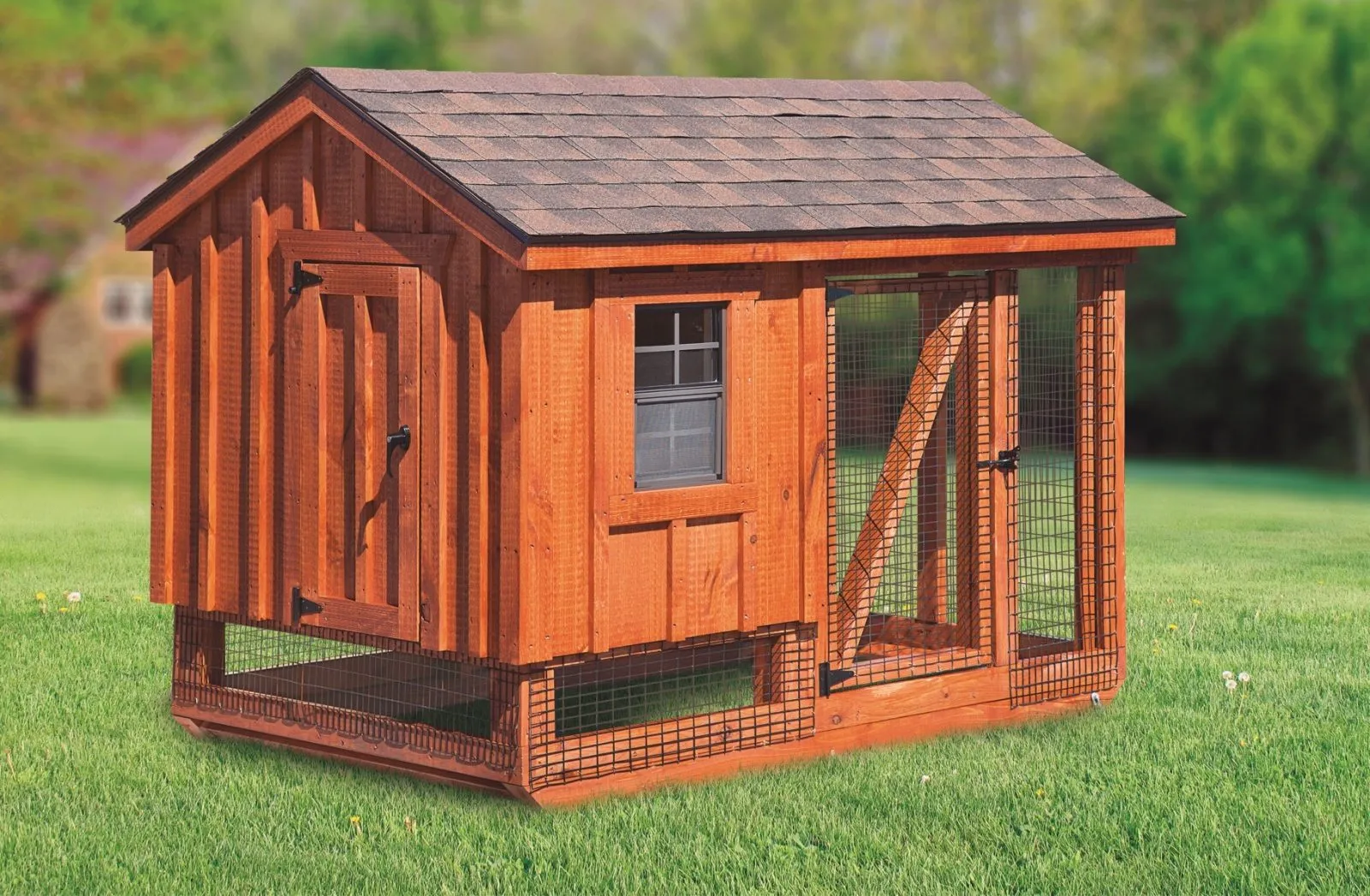
Planning Your Moveable Chicken Coop
A moveable chicken coop offers unparalleled benefits for both you and your flock. It allows for rotational grazing, providing your chickens with fresh foraging opportunities and preventing the build-up of parasites in one area. This also enriches the soil with their natural fertilizer. Before diving into construction, careful planning is essential for creating a coop that meets your chickens’ needs and your own. This includes assessing your available space, considering sunlight and shade, and selecting the ideal location within your property. Proper planning ensures your chickens’ health and happiness while minimizing your workload and maximizing the benefits of having a moveable coop.
Assess Your Space
Before you even think about blueprints, walk your property and identify potential locations for your moveable chicken coop. Consider the size of your yard and the amount of space you’re willing to dedicate to the coop and the chickens’ roaming area. Evaluate the terrain, noting any slopes or uneven surfaces that might impact the coop’s stability and mobility. Ensure there’s enough room for the coop to be easily moved and that it won’t obstruct pathways or other essential areas. Also, take into account the potential for the chickens to damage gardens or landscaping, and plan accordingly. A good assessment ensures that your coop fits comfortably and functionally within your available space.
Consider Sunlight and Shade

Chickens, like all creatures, need a balance of sun and shade. The coop’s location should provide ample sunlight for warmth, particularly during colder months. However, it’s equally crucial to offer shaded areas where the chickens can escape the direct heat during summer days. Consider the path of the sun throughout the day and throughout the seasons. Trees, buildings, or strategically placed shade cloth can help provide this balance. A well-placed coop allows your chickens to regulate their body temperature, preventing heat stress and promoting their overall health and well-being. This consideration impacts the health of the chickens.
Choose the Right Location
Once you’ve assessed your space and considered sunlight and shade, it’s time to choose the perfect spot. The location should be relatively flat and level to ensure the coop is stable and easy to move. It should be close enough to your home for easy access but far enough to minimize noise and potential odors. Think about proximity to water sources for easy access to drinking water. Consider the prevailing winds and any potential hazards, such as predators or flooding. A well-chosen location will improve your chickens’ quality of life. Furthermore, consider the convenience of the location for you when collecting eggs and cleaning the coop.
Designing the Perfect Moveable Chicken Coop
The design of your moveable chicken coop is key to its functionality, the health of your chickens, and your own ease of use. This includes considerations like size and capacity, material selection, and essential features. A well-designed coop provides a secure and comfortable environment for your chickens, making it easier to manage and maintain. From the overall dimensions to the smallest details, every design aspect contributes to the success of your chicken-keeping efforts. A thoughtful design leads to a happier, healthier flock, and a more enjoyable experience for you.
Size and Capacity

The size of your coop should be determined by the number of chickens you plan to keep. A general guideline is to provide at least 4 square feet of floor space per chicken inside the coop and at least 8-10 square feet of outdoor space per chicken in the run area. Consider the breed of your chickens, as larger breeds will require more space. Overcrowding can lead to stress, feather pecking, and disease. A properly sized coop allows chickens to move freely, roost comfortably, and avoid conflict. Planning for future expansion, if you intend to increase your flock size, is also wise during the design phase, ensuring your coop remains a comfortable home.
Material Selection
Choosing the right materials is crucial for the durability and longevity of your moveable chicken coop. Weather-resistant and rot-resistant lumber, such as cedar or pressure-treated wood, is a great starting point. Avoid materials that are toxic to chickens. Ensure all materials are safe for use with chickens. Select sturdy hardware, such as screws and hinges, to withstand regular use and movement. Consider using hardware cloth with small openings for the run, this is important for predator protection. The best materials will endure the elements. They will also prevent predators from breaking into the coop. High-quality materials will save you money.
Features to Include
A well-designed coop includes essential features to promote your chickens’ health, safety, and comfort. Include roosting bars, where chickens can sleep at night. Nesting boxes are essential for egg-laying hens, ensuring a comfortable and private space for them. Adequate ventilation is crucial to prevent the build-up of ammonia and moisture. Provide a secure run area, enclosed with strong wire mesh, to protect chickens from predators. Consider including a removable dropping board beneath the roosting bars, which simplifies cleaning. Ensure the door is designed for easy access. Good design makes it easier to care for your chickens. It also ensures they are comfortable.
Building and Construction of Your Coop

Constructing a moveable chicken coop involves several key steps, from building the foundation to installing doors and access points. Careful construction ensures the coop is sturdy, safe, and easy to move. Following a well-defined plan and paying attention to detail are crucial for a successful build. This includes the foundation, the walls and roofing, and the door and access points. A well-built coop ensures the safety and comfort of your chickens. It will also provide a lasting structure that can be enjoyed for years to come.
Foundation and Base
The foundation provides a stable base for your moveable chicken coop. If you’re building a coop directly on the ground, consider using pressure-treated lumber or creating a gravel base to prevent moisture from seeping in. For coops that will be moved frequently, a skid-style base made from sturdy beams is a popular choice, as it allows you to easily drag the coop. Ensure the base is level and securely attached to the coop frame. The foundation is the starting point for ensuring the coop’s durability and stability. Make sure the base is secure before you begin construction.
Walls and Roofing
Construct the walls and roof of your coop using your chosen materials. Ensure the walls are sturdy and provide adequate protection from the elements and predators. Install roofing materials that are weather-resistant and properly sealed to prevent leaks. Include ventilation openings, preferably covered with wire mesh, to allow for airflow. The roof should overhang the walls to provide shade and protect the coop from rain. The design and materials chosen for the walls and roofing play a critical role in maintaining a comfortable internal environment for your chickens, ensuring the coop is well-protected and secure. Ensure that materials and design are safe for your flock.
Door and Access Points

The door and access points of your coop should be designed for both your convenience and the safety of your chickens. The main door should be large enough for you to easily access the inside of the coop for cleaning and maintenance. It should also have a secure latch to prevent predators from entering. Consider including a smaller, chicken-sized door that can be automated with a timer or light sensor for convenient access to the run. Ensure that all access points are properly sealed to prevent drafts and predator entry. A well-designed door system makes it easy to care for your chickens. It ensures their safety and well-being.
Moving and Maintaining Your Coop
Once your moveable chicken coop is built, the next step involves moving and maintaining it to maximize its benefits. Regular inspections, predator protection, and cleaning are crucial aspects of coop maintenance. This ensures the health of your chickens and the longevity of the coop itself. The consistent care and maintenance of your coop ensures a healthy and productive environment for your flock. This will also make the coop more durable and reliable. Proper maintenance is key to enjoying the benefits of a moveable chicken coop for years to come.
Regular Inspections
Regular inspections are essential to ensure the coop’s structural integrity and the health of your chickens. Check for any signs of damage, wear, or potential entry points for predators. Inspect the roof, walls, and floor for leaks, cracks, or other issues. Examine the nesting boxes and roosting bars for cleanliness and any signs of pests. Observe your chickens for any signs of illness or distress. Regular inspections allow you to address issues promptly, preventing problems from escalating and ensuring your chickens’ well-being. A consistent inspection routine can save you time and money by catching problems early on.
Predator Protection

Protecting your chickens from predators is an ongoing concern, and your moveable coop should provide robust protection. Ensure the coop is securely constructed with predator-resistant materials, such as hardware cloth, which is more secure than chicken wire. Regularly check for any gaps or weaknesses in the coop’s structure. When moving the coop, always choose locations that are away from potential predators like foxes. Consider using additional predator deterrents, such as electric fencing or motion-activated lights, to further enhance security. Predator protection is vital to keeping your chickens safe and healthy. It gives you peace of mind.
Cleaning and Maintenance
Regular cleaning and maintenance are essential for maintaining a healthy and hygienic environment for your chickens. Remove droppings and soiled bedding regularly to prevent the build-up of ammonia, which can harm your chickens’ respiratory systems. Clean the nesting boxes and replace the bedding frequently. Wash the coop with a diluted bleach solution or a poultry-safe disinfectant. Make any necessary repairs promptly. Regular cleaning and maintenance will prevent diseases, reduce odors, and keep your chickens happy and productive. Maintain the coop to ensure its longevity and function.
In conclusion, a moveable chicken coop offers numerous benefits for both you and your flock, including fresh foraging opportunities and enriched soil. By carefully planning, designing, constructing, and maintaining your coop, you can create a thriving environment. Remember the 7 tips for success: Assess your space, consider sunlight and shade, choose the right location, design the perfect coop, build it with care, move and maintain it. Proper attention to these details will result in a safe, comfortable, and productive home for your chickens. You’ll also enjoy the rewards of healthy hens and a thriving backyard ecosystem.