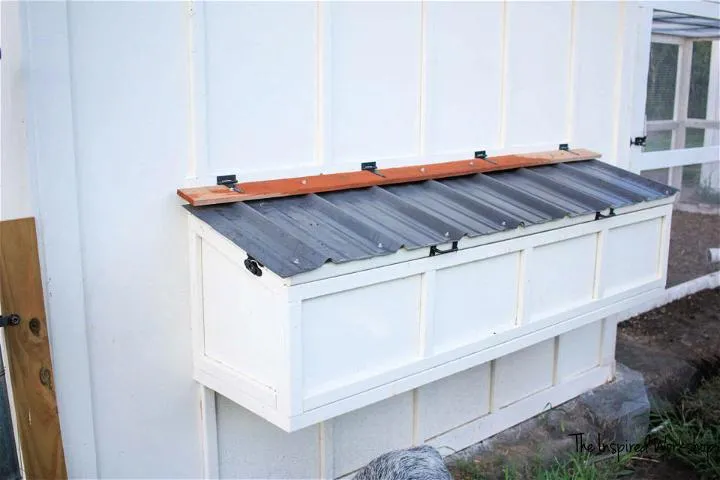
Building a nest box chicken coop is a rewarding experience, providing your chickens with a safe and comfortable home while also making egg collection easier. This ultimate guide covers everything you need to know to design, build, and maintain the perfect nest box chicken coop, ensuring the health and happiness of your flock and the security of their eggs. From choosing the right location to selecting the best materials and implementing effective predator-proofing measures, we’ll walk you through each step.
Choosing the Right Nest Box Chicken Coop Location
The location of your nest box chicken coop is crucial for the well-being of your chickens and the practicality of your setup. A well-chosen location can minimize stress on your birds, protect them from the elements, and make coop maintenance much easier. Consider these factors carefully before you start building.
Factors to Consider
Several factors influence the ideal location. Think about accessibility, sun exposure, and ventilation. Consider the proximity to your house, potential for noise complaints from neighbors, and ease of access for cleaning and egg collection. Furthermore, the surrounding environment, including potential predators, also plays a vital role in selecting the perfect spot for your coop. By considering these points, you’ll build a coop that’s not only functional but also creates a pleasant environment for your chickens.
Sun Exposure and Ventilation

Chickens need both sunlight and protection from extreme weather. Aim for a location that gets morning sun, which helps warm the coop and dry out the bedding, but provides shade during the hottest part of the day. Good ventilation is essential to prevent the buildup of ammonia from droppings, which can cause respiratory problems. Ensure there are vents at the top of the coop to allow for air circulation without creating drafts at chicken level. Proper ventilation helps regulate the temperature inside and reduces humidity.
Accessibility and Convenience
The location should be easily accessible for you. You’ll need to access the coop daily for feeding, watering, and egg collection, and periodically for cleaning and maintenance. Placing the coop close to a water source and electrical outlet (if you plan to use electricity for lighting or heating) can save you a lot of time and effort. Also, consider the slope of the land; a slightly elevated area can help with drainage, preventing water from pooling around the coop.
Material Selection for Your Nest Box Chicken Coop
The materials you choose for your nest box chicken coop will affect its durability, ease of maintenance, and overall cost. Selecting the right materials is a crucial aspect of ensuring your coop stands the test of time. Consider the climate you live in, the local availability of materials, and your budget when making your selections.
Wood vs. Plastic vs. Metal

Wood is a popular choice for chicken coops due to its natural appearance and ease of workability. It can be easily modified for custom designs. However, wood requires regular maintenance, such as painting or sealing, to protect it from the elements. Plastic coops are low-maintenance, lightweight, and often more affordable. They are easy to clean and resistant to pests, but may not be as durable in extreme weather conditions. Metal coops are very durable and predator-resistant but can be more expensive and may conduct heat, requiring insulation in hot climates. Consider the pros and cons of each material to make the best choice for your needs.
Durability and Weather Resistance
Choose materials that can withstand the local climate. If you live in a wet climate, opt for rot-resistant wood or plastic. In areas with high winds, ensure the coop is securely anchored. Consider using pressure-treated wood for ground contact and exterior surfaces. Ensure the roof is waterproof and that the coop is well-sealed to prevent drafts and moisture penetration. Proper materials will extend the life of your coop and protect your chickens.
Ease of Cleaning and Maintenance
Easy cleaning is essential to keep your coop healthy and hygienic. Smooth surfaces are easier to clean than rough ones. Consider using materials that can be easily hosed down or wiped clean. Removable nesting boxes and droppings boards can greatly simplify the cleaning process. The materials should be resistant to stains and odors. Regular maintenance, including cleaning, will also extend the lifespan of your coop.
Designing Your Nest Box

The design of your nest box is just as important as the overall coop design. A well-designed nest box will encourage hens to lay their eggs in a clean, safe, and comfortable environment. Consider the size, entrance design, and the materials you use to create a perfect space for your chickens. A good nest box design will reduce egg breakage and make egg collection easier.
Optimal Nest Box Dimensions
The size of your nest box should be based on the size and number of chickens you have. As a general guideline, provide one nest box for every 3-4 hens. Standard dimensions are about 12 inches wide, 12 inches deep, and 14 inches high. Adjust these dimensions based on your breed of chickens; larger breeds may require larger boxes. Avoid making the boxes too large, as this can encourage multiple hens to lay in the same box, leading to egg breakage and dirtier eggs.
Height and Width Considerations
Ensure that the width of the nest box is adequate for the hens to turn around comfortably. The height should be sufficient for the hens to stand and settle. The height also helps to keep eggs from being easily disturbed. Consider a slightly raised lip at the entrance to prevent bedding from spilling out. The overall dimensions should be comfortable and secure for your chickens.
Depth and Space Requirements

The depth is important to provide enough space for bedding material and to allow the hens to feel secure while laying. Too shallow a box can cause the eggs to roll out or break easily. The depth also helps to provide a sense of privacy for the laying hens. Consider a slightly sloped floor towards the back to further prevent eggs from rolling out.
Nest Box Entrance and Exit Design
The entrance to the nest box should be designed to provide easy access for the hens while also preventing predators from entering. Several entrance designs can be implemented. The entrance can be a simple opening, or it can include a lip or a small perch to help the hens hop in. Consider the location of the entrance in relation to the coop and the overall design. The design should prevent the hens from roosting in the nest box at night.
Ramp and Door Options
If your nest boxes are elevated, a ramp can help the hens access them easily. The ramp should have a gentle slope to prevent injuries. Make sure the surface of the ramp provides adequate traction, so the hens don’t slip. Consider a small door or flap at the entrance of the nest box to provide additional security and privacy for the hens while laying. These doors can also help to keep the eggs clean and safe.
Predator-Proofing Your Nest Box Chicken Coop

Predator-proofing is crucial to protect your chickens and their eggs. Predators can include foxes, raccoons, dogs, and even rats and mice. Effective predator-proofing involves a combination of construction techniques and ongoing maintenance. Ensure your coop is built to withstand attacks and that your chickens are safe from harm. This is especially important for the nest box, which is a prime target for predators seeking eggs.
Secure Latches and Locks
Use sturdy latches and locks on all doors and access points of your coop and nest boxes. Regular latches can be easily opened by clever predators. Consider using barrel bolts, carabiner clips, or even combination locks for added security. Make sure that latches are installed securely and that they are difficult for predators to manipulate. Check latches frequently to ensure they are working correctly and haven’t been damaged.
Hardware Cloth and Wire Mesh Reinforcements
Use hardware cloth or wire mesh, instead of chicken wire, to cover all openings and windows. Hardware cloth has much smaller openings, making it more difficult for predators to get in. Bury the hardware cloth at least 12 inches underground around the perimeter of the coop to prevent digging predators from burrowing underneath. Reinforce any weak points, such as corners and seams, with additional hardware cloth. Ensure all openings are securely covered.
Installing the Nest Box Chicken Coop

Proper installation is essential for the longevity and security of your nest box chicken coop. Following the correct steps, and paying attention to detail during installation, can make a big difference in ensuring that your coop is sturdy, safe, and functional. The installation process includes site assessment, leveling the ground, and assembling the structure.
Preparation and Site Assessment
Before you start building, prepare the site. Clear any vegetation, rocks, and debris from the area. Ensure the ground is level to provide a stable base for the coop. Check for any underground utilities before digging. Consider the sun exposure, prevailing winds, and drainage of the location. Proper site preparation will help prevent issues like water damage and structural instability.
Leveling the Ground
Use a level to ensure the ground is flat. If necessary, use gravel or crushed stone to level the area. This prevents the coop from tilting and ensures the doors and windows open and close properly. A level base is crucial for the structural integrity of the coop. An uneven surface can lead to premature wear and tear on the coop’s components.
Assembling the Nest Box Chicken Coop Structure
Follow the manufacturer’s instructions, or your chosen design, carefully during assembly. Use the correct tools and hardware. Ensure that all joints are secure and that the structure is square and plumb. If you are building from scratch, refer to your plans. Double-check measurements and ensure all components fit together properly. After assembly, inspect the entire coop to ensure there are no gaps or weak points.
Adding Bedding and Nesting Materials
Adding the right bedding and nesting materials can help your chickens feel comfortable and encourage them to lay their eggs in the nest boxes. The materials should be soft, absorbent, and easy to clean. The choice of bedding and nesting materials will affect the health and hygiene of your chickens. Ensure the materials you choose are non-toxic and free from harmful chemicals.
Suitable Bedding Choices
Consider straw, hay, wood shavings, or shredded paper. Straw and hay offer a cozy environment, but can sometimes harbor mites. Wood shavings are a popular choice because they are absorbent, readily available, and easy to clean. Shredded paper is an eco-friendly alternative but may require more frequent changes. Ensure the bedding material is clean and dry. Avoid using moldy or dusty materials.
Hay or Straw vs. Wood Shavings
Hay and straw provide a natural and comfortable nesting environment, but they may need to be changed more frequently. They can also be a potential breeding ground for mites and other parasites. Wood shavings are more absorbent, which helps keep the nest boxes clean and dry. They are generally less prone to harboring pests. The choice depends on your preference and the needs of your flock.
Maintenance Tips for Your Nest Box Chicken Coop
Regular maintenance is essential to keep your nest box chicken coop clean, safe, and in good condition. Routine cleaning, inspection, and pest management are key to ensuring the health of your chickens and the longevity of your coop. These measures also help prevent the buildup of diseases and parasites.
Regular Cleaning and Inspection
Clean your coop regularly, at least once a week, or more frequently if needed. Remove droppings, replace soiled bedding, and wash down surfaces with a coop-safe disinfectant. Inspect the coop for signs of damage, such as cracks, loose boards, or holes. Look for any signs of pests or parasites. Prompt action prevents small problems from escalating into larger, more costly ones. Cleaning and inspection are the cornerstones of maintaining a healthy environment.
Managing Pests and Parasites
Regularly check your chickens and coop for pests and parasites, such as mites, lice, and rodents. Use appropriate treatments as needed. Keep the coop clean and dry to discourage pests. Consider using natural pest control methods, such as diatomaceous earth or herbs. Reduce humidity to prevent mites. Good pest management contributes significantly to the health of your flock.
Enhancing Your Chicken Coop Nest Box
You can enhance your nest box to provide a more comfortable and appealing environment for your chickens. Additional features will contribute to the health and well-being of your flock. Providing a comfortable nesting environment will make the chickens happier, encouraging them to lay eggs regularly. Consider these enhancements for your nest box.
Adding Perches and Roosts
Adding perches and roosts inside the coop provides your chickens with a place to sleep and rest. Ensure the perches are at a comfortable height and the roosts are far enough apart so the chickens do not get cramped. Place roosts away from the nest boxes to prevent chickens from sleeping in them. Provide a comfortable and safe sleeping environment to keep your chickens healthy and stress-free.
Creating a Comfortable Environment
Provide adequate ventilation, shade, and protection from the elements. During the winter, ensure the coop is protected from drafts, and provide supplemental heat if needed. During the summer, ensure the coop is well-ventilated and shaded from the sun. Consider adding a dust bath area where your chickens can clean themselves. The goal is to create a stress-free environment where chickens can thrive.
Building a nest box chicken coop is a significant step toward ensuring the health and productivity of your flock. By following this guide and paying attention to detail, you can create a safe, comfortable, and functional home for your chickens. Remember, a well-designed and well-maintained coop is an investment in the long-term health and well-being of your chickens, and it will make the egg-laying process much easier.