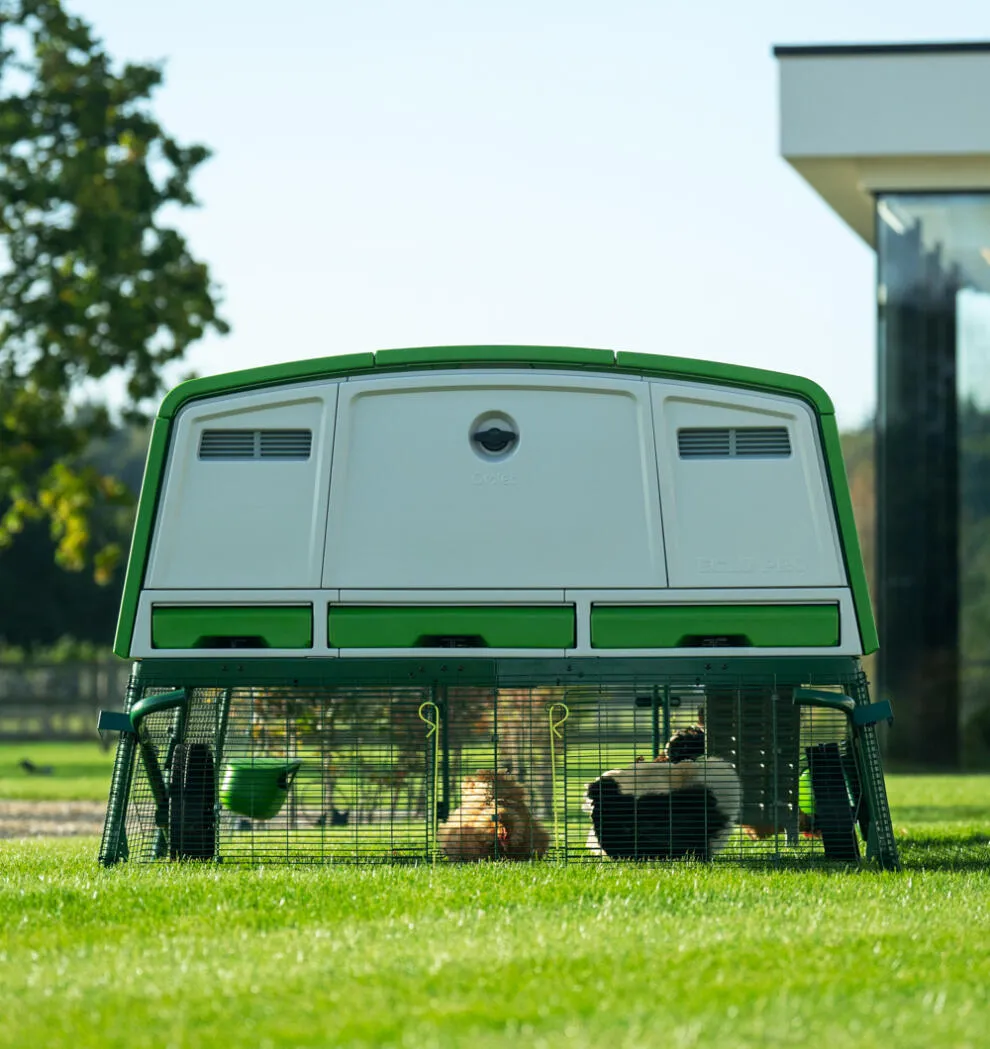
Understanding Omlet Chicken Coops
Omlet chicken coops have revolutionized the way people keep chickens, offering innovative designs that prioritize both the chickens’ well-being and the owners’ convenience. These coops are not just shelters; they are carefully engineered living spaces that consider the natural behaviors and needs of chickens. Understanding the core philosophy behind Omlet coops is the first step in determining if they are the right choice for you. They are designed to be easy to clean, predator-proof, and aesthetically pleasing, blending functionality with a modern approach to chicken keeping. The focus is on creating a safe, comfortable, and stimulating environment for your flock, making the experience of keeping chickens enjoyable and rewarding. Their popularity stems from their thoughtful design, appealing to both experienced poultry keepers and newcomers alike, making backyard chicken keeping more accessible and practical for a wider audience. Selecting the best coop depends on your specific needs, flock size, and available space.
What Makes Omlet Coops Stand Out
Omlet coops distinguish themselves from traditional chicken coops through several key innovations. The integration of predator-resistant features, such as strong wire mesh and secure latches, offers peace of mind. They are constructed from durable, weather-resistant materials, designed to withstand various climates and last for years. The easy-to-clean design, with features like removable droppings trays and smooth surfaces, simplifies maintenance, saving time and effort. Furthermore, their modular design allows for easy expansion and customization, letting you adapt the coop to your flock’s changing needs. The unique aesthetic appeal, combined with practical functionality, makes Omlet coops a desirable choice for those seeking a stylish and efficient chicken-keeping solution. They are designed to be integrated into your backyard seamlessly. The blend of thoughtful design and practical features ensures that Omlet coops provide a superior living environment for chickens while making chicken keeping easier for owners.
Key Features of Omlet Coops

Omlet coops are packed with features to enhance the chicken-keeping experience. These features contribute significantly to the health, safety, and happiness of your chickens, as well as your own convenience. Many models include integrated runs, providing secure outdoor space for chickens to roam and forage without the risk of predators. Ventilation systems help regulate temperature and air quality, creating a comfortable environment in all seasons. The design often incorporates roosting bars and nesting boxes, designed to encourage natural behaviors. The use of non-toxic, durable materials ensures longevity and safety. The coops also feature user-friendly designs, such as easy-access doors for collecting eggs and cleaning. These carefully considered features work together to provide a superior chicken-keeping experience, making it easier to care for your flock. These features make them stand out in the chicken coop market and cater to the specific needs of both chickens and their owners.
Choosing the Right Size Omlet Coop
Selecting the appropriate size of Omlet chicken coop is critical for the health and happiness of your chickens. Overcrowding can lead to stress, disease, and aggressive behavior among your flock. As a general rule, aim for at least 4 square feet of space per chicken inside the coop and 8 square feet per chicken in the run. Consider how many chickens you plan to keep initially, and allow for potential growth. Always err on the side of providing more space rather than less. The right size also impacts the ease of maintenance and cleaning. A coop that is too small can be difficult to keep clean, increasing the risk of health problems. Consider the local climate, as you might need more space for chickens to be comfortable in extreme temperatures. Taking the time to choose the right size coop will ensure that your chickens have a safe, comfortable, and enjoyable living environment.
Determining Coop Size Based on Flock Size
The number of chickens you intend to keep is the primary factor in determining the size of the Omlet coop you need. As mentioned, provide adequate space per bird inside the coop and in the run area. This allows chickens to move freely, socialize, and avoid stress-related behaviors like feather pecking. Consider the breed of chicken, as some breeds are larger than others and will require more space. If you plan to expand your flock in the future, select a coop that can accommodate the larger number of chickens, or one that can be easily expanded with add-ons. Remember, a well-sized coop contributes to the overall health and happiness of your chickens. This is the most crucial element in choosing your coop. The right size of coop directly correlates with the well-being of your flock.
Considering Space Availability

The amount of space you have available in your yard is a significant factor when choosing an Omlet chicken coop. Before purchasing, measure the area where you plan to place the coop, considering both the footprint of the coop itself and any additional space needed for the run and for access. Ensure that the location receives a mix of sunlight and shade, and that it is well-drained to prevent water accumulation. Consider local zoning regulations and any homeowner association rules that might restrict the size or type of coop allowed. If space is limited, you might consider a smaller coop model or one with a vertical design. Proper planning ensures that the coop fits comfortably in your yard and provides adequate space for your chickens.
Factors to Consider Before Purchasing
Before purchasing an Omlet chicken coop, it’s important to carefully consider several factors to ensure that you make the best choice for your needs. It is vital to consider the durability of the coop and its materials. Research the weather conditions in your area to ensure that the coop can withstand extreme temperatures, heavy rains, or strong winds. Take into account how easy the coop is to clean and maintain, as this will affect how much time and effort you need to spend on upkeep. Consider the level of predator protection the coop offers. Also, consider your budget and how the initial cost of the coop fits within it, as well as the potential ongoing costs of accessories, feed, and maintenance. Thorough research before buying is essential for a satisfying chicken-keeping experience.
Materials and Durability
Omlet chicken coops are typically made from high-quality, durable materials designed to withstand the elements and the test of time. The materials used directly impact the longevity and performance of the coop. Many Omlet coops are made from plastic or other weather-resistant materials. These are designed to resist rot, rust, and weathering, offering a longer lifespan compared to traditional wooden coops. Check the construction of the coop, looking for sturdy joints, secure fastenings, and weather-sealed components. Review the warranty provided by the manufacturer. This can give you confidence in the quality of the materials and the durability of the coop. Knowing the materials will help in the long run.
Ease of Cleaning and Maintenance

The ease of cleaning and maintenance is a critical factor in choosing an Omlet chicken coop. A coop that is easy to clean will save you considerable time and effort, ensuring that your chickens live in a healthy environment. Look for features such as removable droppings trays, smooth surfaces, and easy access for cleaning. These features make the cleanup process much simpler. Consider coops made from materials that are easy to wipe down and sanitize. Regular cleaning is essential to prevent the buildup of harmful bacteria, which can lead to disease and odor. Ensure that the design facilitates thorough cleaning. A well-maintained coop contributes to the overall health and well-being of your chickens. Prioritize ease of maintenance to simplify your chicken-keeping routine.
Predator Protection
Predator protection is one of the most important aspects of selecting a chicken coop. Predators, such as foxes, raccoons, and hawks, can pose a serious threat to your chickens. An Omlet coop offers several predator-resistant features to safeguard your flock. Look for coops with strong wire mesh or solid walls, secure latches, and no gaps that predators can exploit. Ensure that the run is fully enclosed to protect against aerial predators. Burying wire mesh around the perimeter of the coop can prevent digging predators from gaining access. Regular inspection of the coop for any signs of damage or weaknesses is also crucial. Choose a coop that incorporates these predator-resistant features to provide peace of mind.
Essential Accessories for Your Omlet Coop
Along with the coop itself, a variety of accessories can enhance the comfort, safety, and productivity of your chickens. Accessories contribute significantly to the overall chicken-keeping experience, making it more efficient and enjoyable. Investing in these accessories can transform the coop into a more functional and enriching environment for your chickens.
Run and Outdoor Space

A secure run is essential for providing your chickens with safe outdoor space. An enclosed run allows chickens to roam and forage without the risk of predators. Consider the size and layout of the run in relation to the size of your coop and the number of chickens. Many Omlet coops include integrated runs designed for the coop. The run should offer protection from the sun, wind, and rain. Providing a run encourages natural behaviors such as foraging and dust bathing, contributing to the overall health and happiness of your chickens. Ensure the run is constructed from durable materials, and that the mesh is strong enough to prevent predators from entering.
Feeding and Watering Systems
Proper feeding and watering systems are vital for the health and productivity of your chickens. Omlet offers integrated feeders and drinkers that are designed to be easy to use and maintain. Consider feeders that help prevent feed waste and contamination, such as treadle feeders. Choose a waterer that provides clean, fresh water at all times, and that is easy to fill and clean. Position the feeders and waterers in a way that minimizes the risk of contamination from droppings. These accessories will keep your chickens healthy and thriving. Providing a reliable food and water source is a cornerstone of good chicken keeping. The right feeding and watering systems can save time and effort.
Choosing the Best Omlet Coop for Your Needs
Choosing the best Omlet coop for your needs involves careful consideration of your specific requirements. Different models offer various features and benefits, so it is important to assess what best suits your circumstances. Evaluate your flock size, the available space in your yard, and the local climate when making your decision. Review the features and benefits of each model. Read reviews from other chicken keepers to gain insights into their experiences. Consider the ease of cleaning, the level of predator protection, and any accessories you might need. The Eglu Cube and Eglu Go Up are popular choices. Each model offers unique advantages. Choose the one that most closely aligns with your needs.
Eglu Cube vs Eglu Go Up

The Eglu Cube and Eglu Go Up are two of the most popular Omlet coop models, each designed with distinct features. The Eglu Cube is ideal for larger flocks, with ample space and integrated run options. It features a double-walled construction for insulation, keeping chickens warm in winter and cool in summer. The Eglu Go Up is an excellent choice for smaller flocks, offering a compact design that is easy to move around. The Eglu Go Up has a more elevated design. It is easier to clean with a pull-out tray. Compare the features of these models and decide which ones best suit your needs. Consider factors such as flock size, available space, and your aesthetic preferences. Each model provides a safe, comfortable, and stylish home for your chickens, offering all the benefits of Omlet design.
Other Omlet Coop Models and Options
Omlet offers a range of other coop models and options to accommodate various needs. Explore these other coops to find the perfect solution for your circumstances. These models may offer different designs, sizes, and features. Research all options thoroughly to find a coop that matches your needs. Consider the Eglu Go, which is a smaller, more compact option. Omlet also offers various accessories and upgrades that can be added to any coop. Review the available models and options and weigh the pros and cons of each one.
Setting Up and Maintaining Your Omlet Coop
Once you have chosen your Omlet coop, the setup and maintenance processes are key to ensuring its longevity and the well-being of your chickens. Proper assembly and placement of the coop are essential for providing a secure and comfortable environment. Regular cleaning and hygiene practices will help to prevent disease and maintain a healthy living space. Following these guidelines will help you create a thriving environment for your chickens.
Assembly and Placement Tips

The assembly of your Omlet coop should be done according to the manufacturer’s instructions. This ensures that all components are correctly installed. Choose a location that is level and well-drained to prevent water accumulation. Ensure that the coop is placed in a secure area, protected from predators and the elements. Consider the placement of the run, making sure it is accessible for your chickens. Follow the instructions carefully. Contact customer support if you need assistance during assembly. With the correct assembly, your coop will last for years to come.
Cleaning and Hygiene Practices
Regular cleaning and hygiene practices are critical for the health and well-being of your chickens. Remove droppings and soiled bedding from the coop and run regularly. Wash down the surfaces of the coop with a suitable poultry cleaner. Disinfect the coop periodically. Provide fresh, clean bedding in the nesting boxes and on the coop floor. Maintain the cleanliness of the feeders and waterers. These practices will help prevent the spread of disease, and ensure that your chickens live in a healthy and comfortable environment. Create a cleaning schedule and stick to it for optimal results. A clean coop is essential for happy and healthy chickens.
In conclusion, choosing the best Omlet chicken coop involves careful consideration of your flock’s needs, your available space, and your personal preferences. By understanding the key features, benefits, and available models, you can make an informed decision and provide your chickens with a safe, comfortable, and stylish home. With proper setup and maintenance, your Omlet coop will provide years of enjoyment and a healthy environment for your flock. Prioritize your chickens’ health and happiness, and you’ll be well on your way to a successful and rewarding chicken-keeping experience.