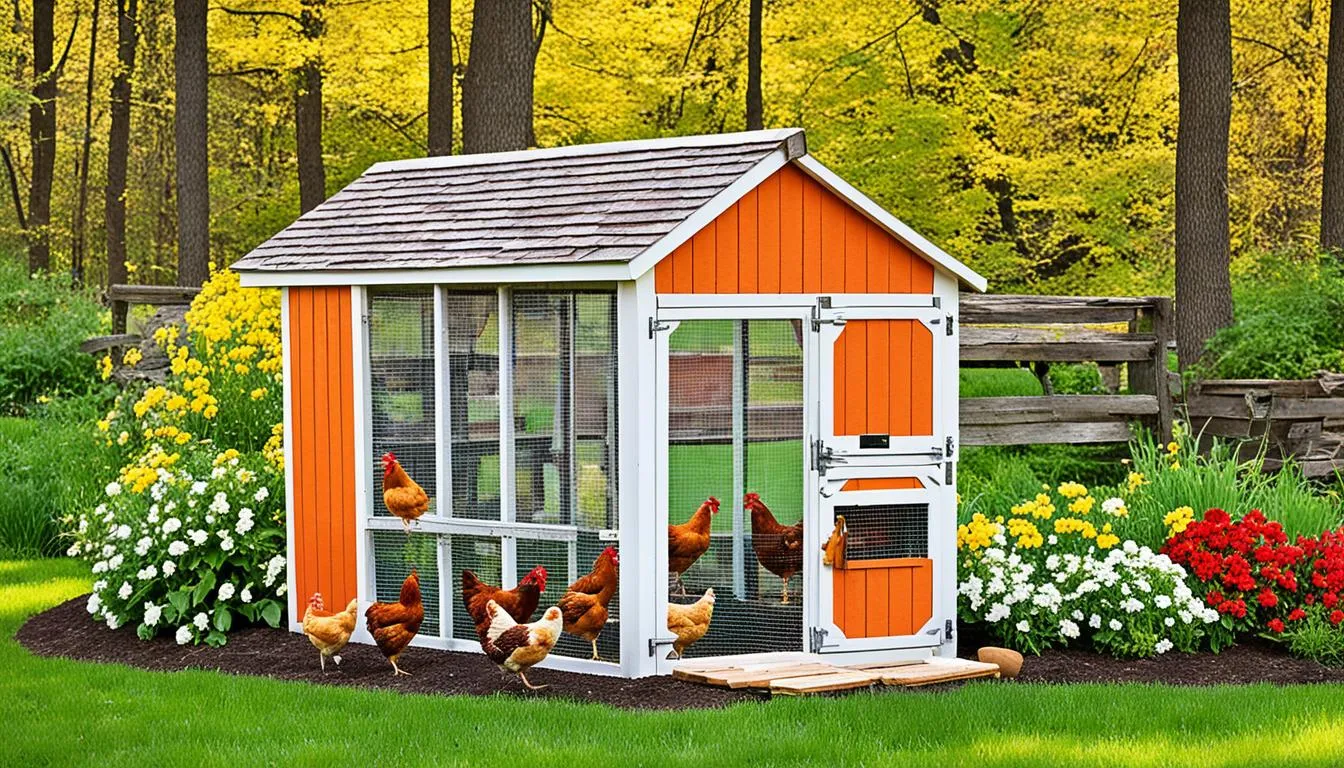
Choosing the Right Paint for Your Chicken Coop
Painting your chicken coop is more than just a cosmetic upgrade; it’s a crucial step in protecting your feathered friends’ home from the elements and maintaining its structural integrity. Selecting the right paint can make all the difference in durability, safety, and aesthetic appeal. This guide will walk you through the process of choosing the perfect paint for your coop, ensuring it lasts for years to come. Remember, the paint you choose should be non-toxic, weather-resistant, and suitable for outdoor use to withstand the challenges of the environment. Consider factors like the coop’s location, the climate in your area, and the materials your coop is made of when making your decision.
Understanding Paint Types and Their Benefits
Several paint types are suitable for chicken coops, each with its own advantages. Acrylic latex paint is a popular choice due to its flexibility, durability, and low odor. It’s also easy to clean and resists fading. Oil-based paints offer excellent durability and weather resistance, making them a good option for outdoor coops; however, they have a longer drying time and a stronger odor. Consider paints specifically designed for exterior use, as they’re formulated to withstand sun, rain, and temperature fluctuations. Look for paints that are mold and mildew-resistant to protect your coop from fungal growth. Always check the paint’s label for any warnings regarding toxicity, especially if you plan to use it in an area where your chickens might peck or come into contact with the surface.
Exterior vs Interior Paint Considerations

The choice between exterior and interior paint depends on where you intend to apply it. Exterior paints are designed to withstand the elements, including rain, sun, and temperature changes. They are more durable and often contain additives to prevent mold and mildew growth. For the exterior of your coop, an exterior paint is essential. Interior paints, on the other hand, are formulated for less harsh conditions and may not be as weather-resistant. If you’re painting the inside of the coop, where chickens will be roosting and potentially pecking, it’s crucial to choose a paint that is non-toxic and safe for animals. Look for paints specifically labeled as ’low VOC’ or ‘zero VOC’ to minimize harmful fumes. Ensure proper ventilation during and after painting to allow the paint to fully cure and reduce any potential health risks for both you and your chickens.
Essential Painting Supplies You’ll Need
Gathering the right supplies is key to a successful chicken coop painting project. Having everything on hand before you start will save you time and frustration. Proper tools ensure a smooth, even finish and make the job easier. This section will cover the essential supplies required, from brushes and rollers to drop cloths and tape. A well-prepared workspace and the right tools can make the difference between a professional-looking finish and a frustrating experience.
Gathering Your Tools and Materials
You’ll need several essential tools and materials to paint your chicken coop. Start with a good quality exterior paint in your chosen color and a primer if the coop requires it. You’ll also need paintbrushes of various sizes for detailed work and a roller with the appropriate nap for the coop’s surface. Other necessary items include a paint tray, paint tray liners, painter’s tape for masking areas you don’t want to paint, drop cloths to protect the ground, a putty knife or scraper for removing old paint, sandpaper for smoothing surfaces, and wood filler for filling any holes or imperfections. Don’t forget a stirring stick, and a can opener for the paint cans, and consider a paint sprayer for larger coops to speed up the process. Make sure you have enough paint to cover the entire coop with at least two coats.
Safety Gear for a Smooth Painting Experience

Safety should be your top priority when painting your chicken coop. Wear safety glasses to protect your eyes from paint splatters and dust. Gloves are essential to protect your hands and make cleanup easier. A respirator or face mask is crucial, especially when sanding or working with oil-based paints, to avoid inhaling harmful fumes and particles. Ensure the work area is well-ventilated to minimize exposure to paint fumes. Consider wearing old clothes that you don’t mind getting paint on. Additionally, have a first-aid kit on hand in case of any minor accidents. Following these safety precautions will ensure a more enjoyable and risk-free painting experience. Make sure you also keep your chickens away from the painting area until the paint is completely dry and safe.
Preparing Your Chicken Coop for Painting
Proper preparation is the most critical step in achieving a professional-looking and durable paint job. It ensures the paint adheres correctly to the surface and protects the coop from the elements. Rushing this step can lead to peeling, cracking, and a shorter lifespan for your paint job. This section guides you through preparing your coop to make sure your paint job will last.
Cleaning and Surface Preparation
Begin by thoroughly cleaning the coop’s exterior to remove dirt, dust, cobwebs, and any loose debris. Use a stiff brush, a pressure washer (if the coop can handle it), or a solution of mild soap and water. Rinse the coop thoroughly and let it dry completely. Next, inspect the surface for any imperfections, such as peeling paint, cracks, or rot. Use a scraper or putty knife to remove any loose paint. Sand down any rough areas and fill any cracks or holes with wood filler. Once the filler is dry, sand it smooth. This preparation step is crucial for ensuring a smooth, even surface for your new paint.
Addressing Existing Issues like Peeling Paint or Rot

If you find peeling paint, remove as much of the loose paint as possible using a scraper or wire brush. Sand the area to smooth out the edges. For rot, assess the extent of the damage. If the rot is localized, remove the affected wood and replace it with new, treated lumber. Apply wood hardener to any remaining areas of rot to stabilize the wood. Prime the repaired areas before painting. If the rot is extensive, consider rebuilding or replacing the affected parts of the coop. Proper preparation is essential for a durable paint job. Addressing these issues will ensure your coop is protected and looks its best.
The Step-by-Step Painting Process
Painting your chicken coop is a straightforward process when you follow these steps. Patience and attention to detail will yield the best results. Each step is important for achieving a durable and attractive finish. This section will guide you through the actual painting process, from applying the primer to adding the final touches.
Applying the Primer Coat
Priming your chicken coop is an essential step, especially if you’re painting bare wood, using a significantly different paint color, or dealing with previously painted surfaces. Primer provides a uniform surface for the paint to adhere to, improves its durability, and enhances the final color. Apply the primer evenly using a brush or roller, ensuring it covers all surfaces completely. Allow the primer to dry completely according to the manufacturer’s instructions. This step is especially crucial for the longevity of your paint job and protects the wood from moisture and other elements.
Painting the First Coat

Once the primer is dry, you can begin applying the first coat of paint. Use a brush for detailed areas and a roller for larger, flat surfaces. Apply the paint evenly, working in smooth strokes to avoid drips and runs. Make sure to cover all surfaces thoroughly. Let the first coat dry completely before applying the second coat. Proper ventilation is important, so open windows and doors if possible. Do not rush the process, and allow the paint to dry as specified by the manufacturer.
Applying the Second Coat
After the first coat is completely dry, apply a second coat of paint. This coat ensures complete coverage, provides better color saturation, and increases the paint’s durability. Apply the paint in the same manner as the first coat, using a brush and roller as needed. Make sure to allow sufficient drying time between coats to avoid any imperfections. Check for any areas that might have been missed during the first coat and touch them up as needed. This second coat will significantly enhance the appearance and protection of your chicken coop.
Adding Decorative Touches
Once the painting process is complete, you can add some decorative touches to personalize your chicken coop. Consider adding stencils, stripes, or other designs to the exterior to enhance its visual appeal. Use a contrasting color to highlight architectural details, such as the trim or roofline. If you have artistic skills, create custom artwork or paint charming illustrations related to chickens or farm life. Remember to use non-toxic paints if the chickens might come in contact with the painted surfaces. These decorative touches can make your coop a charming addition to your backyard.
Drying and Curing Time

Drying and curing times are essential for the paint to fully harden and achieve its maximum durability and resistance to the elements. Follow the manufacturer’s instructions for drying and curing times, as these can vary depending on the paint type, temperature, and humidity. Generally, allow at least 24 hours for drying between coats and several days for the paint to fully cure before exposing the coop to the elements or allowing chickens to re-enter. Avoid placing any objects against the painted surfaces until they have fully cured to prevent damage. Adequate drying and curing will ensure a long-lasting and beautiful finish.
Maintaining Your Painted Chicken Coop
Regular maintenance is essential to keep your chicken coop looking its best and protect it from the elements. Simple upkeep can extend the life of your paint job and prevent costly repairs in the future. This section provides practical tips on how to keep your coop well-maintained.
Cleaning and Touch-Ups
Regular cleaning is the first step in maintaining your painted chicken coop. Wash the coop’s exterior at least once or twice a year with mild soap and water to remove dirt, grime, and any bird droppings. Inspect the paint for any signs of wear and tear, such as chipping, peeling, or fading. Address any issues promptly by touching up the affected areas with matching paint. This prevents minor problems from escalating into larger issues. Regular cleaning and touch-ups are essential for maintaining the appearance and protecting the coop from the elements.
Protecting Your Coop from the Elements

Beyond cleaning and touch-ups, protect your chicken coop from the elements to prolong the life of your paint job. Ensure that the coop is well-ventilated to prevent moisture buildup, which can lead to peeling paint and rot. Trim any overhanging branches that could scratch the paint or provide a pathway for moisture. Apply a clear sealant or varnish to areas prone to water exposure, such as the roof and exposed edges. Inspect the coop regularly for any signs of damage and address them promptly. Regular maintenance and preventative measures will keep your coop protected from the elements for years to come.