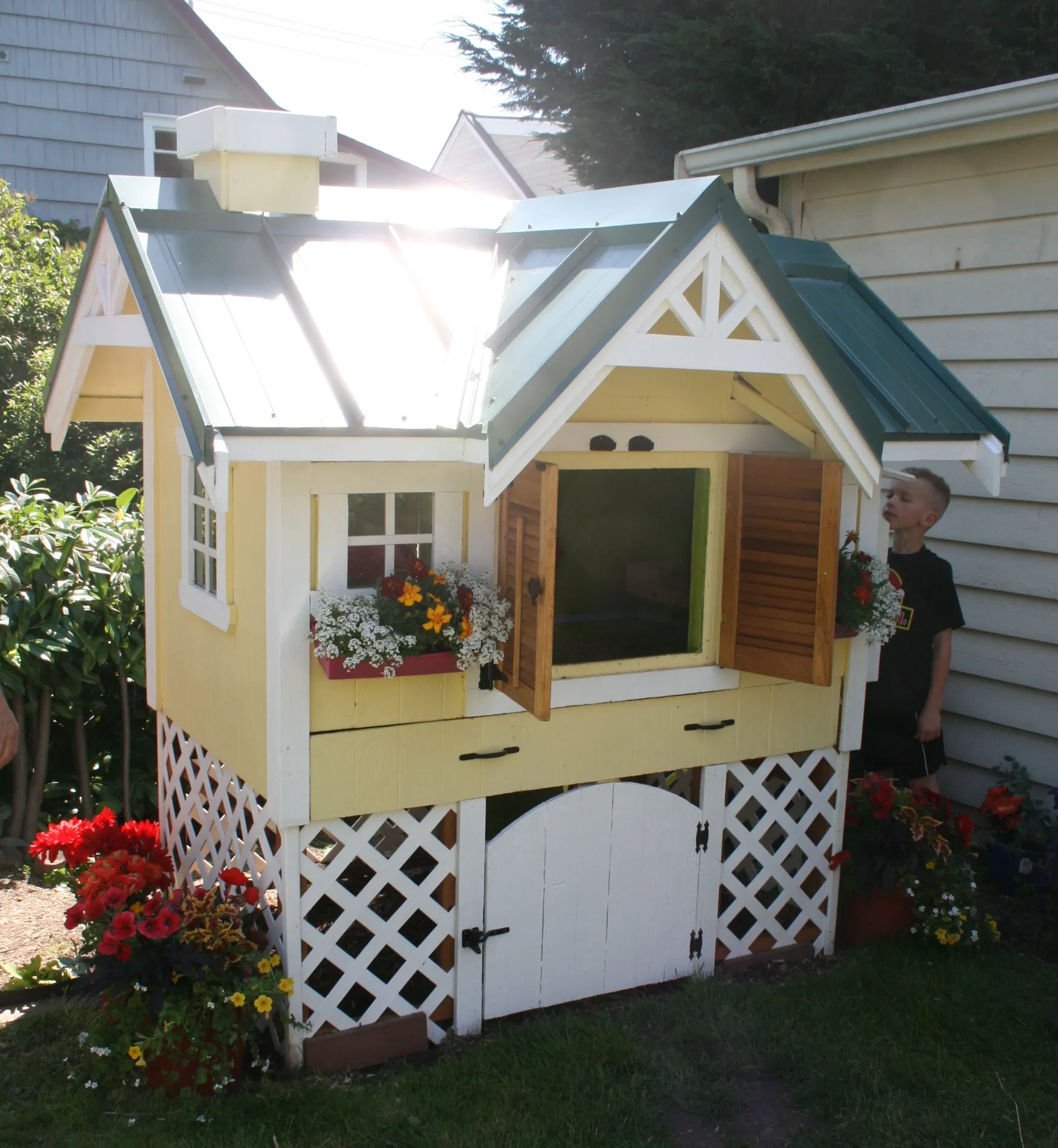
Painted Chicken Coop Ideas: Overview
Transforming your chicken coop with paint is an excellent way to enhance its appearance, protect the structure, and express your personal style. A painted chicken coop offers more than just aesthetic appeal it contributes to the coop’s longevity by shielding the wood from the elements and pests. Whether you’re aiming for a charming rustic vibe, a sleek modern look, or a fun themed design, the possibilities are endless. This guide explores seven inspiring painted chicken coop design ideas, providing inspiration, tips, and techniques to help you create a beautiful and functional space for your feathered friends. From choosing the right paint to preparing the surface and maintaining the finish, discover everything you need to know to bring your chicken coop painting vision to life.
Rustic Charm Designs
Embrace the warmth and simplicity of rustic charm with your painted chicken coop. This style often incorporates natural elements and a weathered appearance, creating a cozy and inviting atmosphere. Rustic designs are ideal for blending seamlessly with a garden or rural landscape. Use colors that evoke a sense of nostalgia and timelessness. Consider incorporating design choices like using natural wood, creating a weathered look using various techniques, and opting for cottage style elements to enhance the overall charm of your coop. Rustic charm is not just about aesthetics it is also about embracing a sense of history and connection to the natural world.
Using Natural Wood

Highlight the natural beauty of wood by staining or sealing the chicken coop. This approach showcases the grain and texture of the wood, lending an organic and earthy feel. Choose a clear sealant or a stain in a natural tone to protect the wood from the elements while maintaining its inherent beauty. This design element works exceptionally well when paired with other rustic touches, such as wrought iron hardware or a simple, unfussy design. Using natural wood creates a seamless blend with the surrounding garden or natural environment. The goal is to allow the wood’s natural characteristics to shine through, providing a timeless and visually appealing backdrop for your chickens.
Weathered Look Technique
Achieve a weathered appearance by using techniques such as dry brushing or layering paint. Dry brushing involves applying a small amount of paint to the brush and sweeping it lightly across the surface to create a textured, aged effect. Layering involves applying multiple coats of different colors, then distressing them to reveal the colors beneath, creating a sense of depth and history. This gives your coop a charming, time-worn aesthetic. This design choice not only enhances the visual appeal but also adds character, making your chicken coop feel like it has always been a part of your landscape. The weathered look is perfect for those seeking a vintage aesthetic.
Cottage Style
Cottage style coops offer a delicate and charming aesthetic. This style incorporates soft colors, delicate details, and a welcoming feel. Think about adding elements like scalloped trim, small windows with curtains, and a charming little door. The cottage style is all about creating a warm, inviting space that complements your garden. This design choice is perfect for those looking to add a touch of whimsy and elegance to their backyard. Incorporate soft pastel colors, such as pale blues, greens, and yellows, to create the quintessential cottage feel. Detail is key consider adding decorative elements like window boxes filled with flowers to enhance the charm.
Soft Pastel Colors

Soft pastel colors are the cornerstone of the cottage style. These gentle hues evoke a sense of tranquility and create a visually appealing backdrop for your coop. Consider shades like baby blue, mint green, lavender, or soft yellow. These colors work well together and can be complemented by white trim and accents. Incorporating soft pastels will bring a sense of calm and elegance to your coop, making it a focal point of beauty in your backyard. These pastel shades also help to visually expand the space, making your coop appear larger and more inviting.
Adding Decorative Elements
Enhance the cottage charm of your painted chicken coop by adding decorative elements. Window boxes overflowing with flowers, decorative trim, and even small shutters can transform the coop into a miniature cottage. Consider using stencils or hand-painted designs to add floral patterns or other whimsical touches. Decorative details like these help to enhance the overall aesthetic of your coop, transforming it into a charming and eye-catching feature of your outdoor space. By adding these elements, you create a space that reflects the charm and character of a traditional cottage.
Modern Painted Chicken Coop Designs
For a contemporary aesthetic, opt for clean lines, bold colors, and minimalist design elements. Modern painted chicken coops emphasize simplicity and functionality. This style of design focuses on creating a sleek and visually striking appearance that complements a modern home and garden. This approach can be achieved with a minimalist approach, the selection of bold color choices, and the incorporation of geometric patterns. This is a perfect choice for those who appreciate a clean, uncluttered aesthetic and want to integrate their coop into a contemporary outdoor space. Modern designs prioritize functionality while maintaining visual appeal.
Minimalist Approach

A minimalist approach to your painted chicken coop design involves clean lines, simple shapes, and a focus on essential elements. Avoid unnecessary embellishments, and opt for a design that is both functional and visually appealing. Choose a neutral color palette, such as gray, white, or black, to create a sleek and uncluttered look. This design choice works exceptionally well for coops that are integrated with a contemporary landscape. The minimalist approach emphasizes the beauty of simplicity, making the coop a subtle yet stylish addition to your backyard.
Bold Color Choices
Embrace bold color choices to make a statement with your modern chicken coop design. Consider using vibrant hues like bright blue, deep red, or even a striking black. These colors can create a dramatic contrast against the surrounding landscape and draw attention to your coop. Bold colors are a great way to express your personal style and add a unique touch to your backyard. When using bold colors, ensure the paint is durable and suitable for outdoor use to maintain the aesthetic appeal of your coop. Consider adding a complementary accent color to further enhance the impact of your bold choices.
Geometric Patterns
Incorporate geometric patterns to add visual interest and a modern touch to your coop. Consider using stencils or freehand painting to create designs such as stripes, chevrons, or even abstract shapes. Geometric patterns offer a unique and eye-catching aesthetic. These designs can be applied to the entire coop or used to highlight specific areas, such as the roof or doors. The key is to use clean lines and well-defined shapes to maintain a contemporary appearance. Geometric patterns add an element of playfulness and modernity to your chicken coop.
Farmhouse Style

The farmhouse style offers a blend of rustic charm and functional design, perfect for a chicken coop. This style often features natural materials, a neutral color palette, and a welcoming atmosphere. The farmhouse look is all about combining practicality with a touch of elegance. This style encompasses elements like classic white with black trim, and the bold red barn style. The goal is to create a cozy, functional, and visually appealing space that fits the rustic landscape of a farm. This approach also complements a wide variety of garden designs and adds a touch of country elegance to your backyard.
Classic White with Black Trim
A classic white coop with black trim is a timeless design choice that embodies farmhouse style. The white paint provides a clean and bright backdrop, while the black trim adds a touch of sophistication and contrast. This combination creates a simple yet elegant aesthetic that complements a variety of settings. This design choice is an ideal option for adding a classic touch to your backyard while offering a clean look. The contrast between the white and black trim is particularly effective, creating a visually appealing and polished appearance. This classic combination ensures your chicken coop always looks clean and inviting.
Red Barn Style
Embrace the iconic red barn style for a traditional and inviting chicken coop. Use a bold red paint for the exterior, complemented by white trim and a black or dark gray roof. This design choice instantly evokes the feeling of a classic farmhouse and adds a touch of rustic charm. A red barn-style coop is a perfect option for those who love a traditional aesthetic and want to create a visual connection to the rural landscape. The vibrant red paint makes the coop stand out, while the contrasting trim adds a touch of elegance.
Coastal Inspired Painted Chicken Coop

Bring the relaxed vibe of the coast to your backyard with a coastal-inspired painted chicken coop. This style incorporates light, airy colors, natural textures, and elements that evoke the feel of the ocean. Coastal designs are ideal for those who live near the coast or simply love the nautical aesthetic. This style encompasses the use of beach house colors and considers weather resistance for optimal performance. The goal is to create a space that is both visually appealing and functional, perfect for the coastal environment. It’s a great choice to create a serene and visually pleasing focal point in your yard.
Beach House Colors
Use beach house colors like soft blues, sandy beiges, and crisp whites to create a coastal-inspired chicken coop. These colors evoke a sense of serenity and perfectly capture the feel of the seaside. Complement these colors with natural wood accents and nautical-themed decor, such as a small anchor or a few seashells. These choices of color and accessory will enhance the coastal aesthetic, adding a touch of seaside charm to your backyard. These colors also have the benefit of blending beautifully with the natural surroundings of the coast.
Weather Resistance
In coastal environments, weather resistance is crucial for your painted chicken coop. Choose paints that are specifically designed for exterior use and are resistant to moisture, salt, and UV rays. Ensure the coop is properly sealed to protect the wood from the elements. Proper weather resistance guarantees the longevity and the aesthetic appearance of your coastal coop. Regular maintenance, including cleaning and touch-ups, is essential for maintaining your coop’s coastal charm. This ensures your coop remains beautiful and durable, even in harsh coastal conditions.
Creating a Themed Coop

Express your creativity by creating a themed chicken coop that reflects your personal interests and the overall aesthetic of your property. From whimsical fairy tale themes to sophisticated garden-inspired designs, the possibilities are endless. Creating a themed coop is all about choosing a color palette that harmonizes with the theme and coordinating with the surroundings. The goal is to create a visually striking and unique space that adds character to your backyard. It allows you to express your personality and create a unique focal point in your garden.
Choosing a Color Palette
Selecting the right color palette is essential for achieving your themed chicken coop. Base your color choices on the theme you’ve selected, ensuring that the colors complement each other and create a cohesive look. Consider using a palette inspired by nature, a favorite book, or a particular artistic style. The color palette will set the mood and tone of your coop, so choose colors that create the desired atmosphere. Creating a well-chosen color palette enhances the theme and makes the coop more visually appealing. Consider the surroundings when selecting the color palette so that it blends seamlessly with the garden.
Coordinating with Your Garden
Coordinate the design of your themed chicken coop with your garden’s overall aesthetic. If your garden features a particular style, such as a cottage garden or a formal landscape, incorporate elements that reflect that style in your coop’s design. This could involve using similar colors, adding complementary decorative details, or incorporating plants that enhance the theme. By coordinating your coop with your garden, you create a cohesive and visually harmonious outdoor space. This approach transforms your chicken coop into an integral part of the overall garden design.
Long-lasting Paint for Chicken Coops

Choosing the right paint is essential to ensure your painted chicken coop lasts for years. Consider the climate, the type of wood, and the amount of sun and rain exposure the coop will have. Durability, weather resistance, and safety for chickens are key factors. The paint selection directly impacts the longevity and beauty of your coop, so research different paint types and select the best option for your needs. Selecting the right paint will protect the structure and maintain the aesthetic appeal of your coop.
Exterior Paints
Opt for exterior paints specifically designed for outdoor use. These paints are formulated to withstand the elements, including sun, rain, and temperature fluctuations. Look for paints that offer excellent weather resistance, UV protection, and mold and mildew resistance. Exterior paints provide the necessary durability to protect your chicken coop and keep it looking its best over time. These paints typically have higher concentrations of pigments and binders, ensuring they stand up to the wear and tear of outdoor conditions. Check the paint’s specifications to ensure it is suitable for use on wood.
Weatherproof Paint Types
Various types of weatherproof paints are available, including acrylic latex, oil-based, and enamel paints. Acrylic latex paints are a popular choice due to their flexibility, durability, and ease of application. Oil-based paints offer excellent durability but may take longer to dry and emit strong odors. Enamel paints provide a hard, durable finish that is resistant to scratches and fading. When selecting paint, consider factors such as drying time, ease of cleaning, and the level of sheen. Ensure that the paint is non-toxic and safe for chickens. Consider the specific requirements of your project and environment to choose the best paint type for your chicken coop.
Preparing the Surface for Painting
Proper surface preparation is crucial for achieving a professional and long-lasting paint finish. This involves cleaning the coop, sanding the surfaces, and applying a primer. Taking the time to prepare the surface will not only improve the look of your painted chicken coop but will also help the paint adhere properly, ensuring a durable and weather-resistant finish. Surface preparation will save you time and money in the long run. Careful surface preparation ensures that the paint bonds properly and lasts longer, making the project more rewarding and the coop more beautiful and durable.
Cleaning the Coop
Thoroughly clean the chicken coop to remove dirt, dust, and any loose debris before painting. Use a mild detergent and water to wash the surfaces, and rinse well. Allow the coop to dry completely before proceeding. Cleaning ensures that the paint will adhere properly and that the finish will be smooth. This also removes any dirt or mildew that could prevent the paint from adhering to the surface. Use a pressure washer on a low setting to ensure a thorough cleaning, especially for areas with heavy buildup. Be sure to let the coop dry completely before moving to the next step.
Sanding the Coop
Sand the surfaces of the chicken coop to create a smooth surface for the paint to adhere to. This also helps remove any imperfections or rough areas. Use sandpaper with an appropriate grit size for the type of wood and the condition of the coop. Sand in the direction of the wood grain and wipe away any dust after sanding. Sanding creates a surface that the paint can grip onto, leading to a more durable and even finish. It also helps to remove any existing peeling paint or other imperfections. Sanding improves the overall appearance of the finished product.
Applying Primer
Apply a primer to the cleaned and sanded surfaces of the chicken coop. Primer helps the paint adhere properly, seals the wood, and creates a uniform surface for the paint to adhere to. Choose a primer that is suitable for the type of wood and the paint you are using. Allow the primer to dry completely before applying the paint. Applying primer is an essential step in the painting process, as it ensures a durable, long-lasting, and visually appealing finish. It also helps to prevent the paint from peeling or flaking over time. Ensure the primer is completely dry before moving on to the next step.
Maintaining Your Painted Chicken Coop
Regular maintenance is key to keeping your painted chicken coop looking its best for years. This includes periodic cleaning, touch-ups, and inspections. Proper maintenance will help protect your coop from the elements, prolonging the life of the paint and the structure itself. Regularly inspect the coop for any signs of wear and tear, and address any issues promptly. Following a maintenance schedule will ensure your coop continues to be an attractive and functional addition to your backyard. The extra effort of maintenance pays off with a beautiful and long-lasting painted chicken coop.
Regular cleaning is essential to remove dirt, grime, and bird droppings that can accumulate on the coop. Wipe down the surfaces with a mild detergent and water, and rinse well. This helps to maintain the appearance of the paint and prevents the buildup of harmful substances. Clean the coop as needed. The more frequently you clean the coop, the less effort it will take to maintain its appearance.
Periodically inspect your painted chicken coop for any signs of damage, such as peeling paint, cracks, or fading. Touch up any imperfections promptly to prevent them from spreading and affecting the overall appearance. Regular touch-ups will maintain the coop’s beauty and prevent damage. Addressing issues as soon as they arise will help to extend the life of your paint and your chicken coop.
By following these design ideas and maintenance tips, you can create a painted chicken coop that is both beautiful and functional. Remember to choose the right paint, prepare the surface properly, and maintain your coop regularly. The result will be a charming and stylish space for your chickens and a delightful addition to your backyard. Painting a chicken coop can be a rewarding project that provides a beautiful and functional space for your chickens.