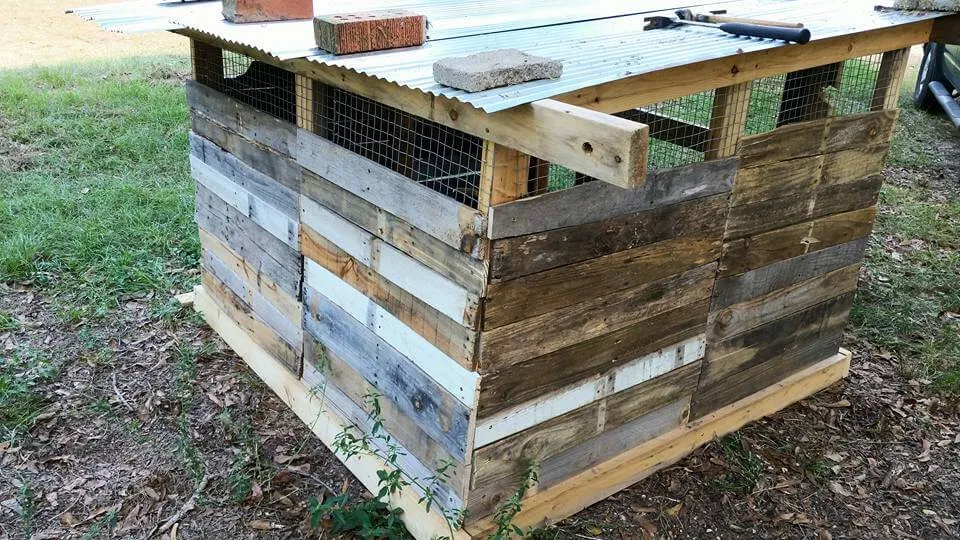
Planning Your Pallet Chicken Coop
Embarking on a pallet chicken coop project is an excellent way to provide a safe, comfortable, and affordable home for your feathered friends. Before you even touch a pallet, careful planning is crucial. Consider the number of chickens you intend to house, as this dictates the size of the coop. Research local building codes and regulations regarding coop size and placement. Think about the available space in your backyard, ensuring it’s not only adequate for the coop itself, but also for a chicken run. Also, consider the climate of your area, as this will influence the need for insulation, ventilation, and protection from the elements. A well-planned coop not only meets the chickens’ needs but also simplifies the building process and ensures the coop’s longevity.
Choosing the Right Pallets
The foundation of your pallet chicken coop lies in the pallets you choose. Not all pallets are created equal, and selecting the right ones is paramount for the safety and durability of your coop. Look for pallets made from untreated wood, as these are safe for your chickens. Avoid pallets that have been chemically treated or marked with an “MB” stamp, which indicates methyl bromide fumigation – a harmful substance. Inspect the pallets for any signs of damage, such as broken boards, protruding nails, or insect infestation. The size and shape of the pallets will also influence your design, so consider how they will fit together to form the walls, floor, and potentially the roof of your coop. Sourcing pallets can be done through various channels including local businesses or online marketplaces. Always prioritize the safety of your chickens by choosing the correct pallet.
Pallet Selection: Safety First

Safety should always be your top priority when selecting pallets for your chicken coop. Prioritize pallets labeled with an “HT” stamp, which indicates heat treatment, a safer alternative to chemical treatments. Avoid pallets that have contained hazardous materials, as these could pose a threat to your chickens’ health. Thoroughly examine each pallet for any loose nails, splinters, or sharp edges, which could cause injury. If possible, choose pallets made from durable, weather-resistant wood. The condition of the pallets will directly impact the longevity of your coop. Taking these precautions will protect your chickens and ensure your coop remains a safe and healthy environment.
Cleaning and Preparing the Pallets
Once you’ve selected your pallets, the next step is cleaning and preparing them. This crucial step removes any dirt, debris, or potential contaminants that could be harmful to your chickens. Start by thoroughly cleaning the pallets with a stiff brush and soapy water. You might consider using a pressure washer for more stubborn dirt, but ensure you allow the pallets to dry completely afterward to prevent mold growth. Inspect the pallets for any remaining nails or staples, and remove them using a claw hammer or pry bar. Sand any rough edges or splinters to minimize the risk of injury. This preparation stage is vital for the health and safety of your chickens, as well as for a more aesthetically pleasing coop.
Essential Tools and Materials
Building a pallet chicken coop requires a collection of essential tools and materials. Gathering these beforehand streamlines the building process and ensures you have everything you need. Safety gear is also important, don’t forget safety glasses, gloves and a dust mask. The specific requirements will vary depending on the design of your coop, but a well-stocked toolbox and a list of materials will ensure a smooth project. Furthermore, having all of the appropriate tools makes the project easier and it’s easier to maintain good construction practices. Proper preparation will also reduce the time required to build and reduce frustration.
Tools You’ll Need

The basic tools for your pallet chicken coop include a measuring tape, saw (circular saw or hand saw), hammer, drill, screwdriver, level, and safety glasses. A staple gun can be useful for attaching hardware cloth and other materials. A reciprocating saw might be useful to more easily cut pallets to specific lengths. Clamps are handy for holding pieces together while you work. Having the right tools not only makes the construction process easier, but also improves the quality of the finished product. Ensure all your tools are in good working order and that you know how to use them safely.
Materials Checklist
Your materials checklist should include pallets (obviously!), screws of various sizes, hinges for the door, latches to secure the door, hardware cloth or poultry netting for the run, wood for framing (if needed), roofing material, and possibly exterior paint or sealant. Consider the type and quantity of materials needed based on your design. Also consider any additional items like nesting boxes and chicken feeders. A well-organized checklist minimizes trips to the hardware store and keeps the building process on track. Accurate measurements and estimations are critical to avoid purchasing too little or too much of any material.
Building the Coop Frame
The frame provides the basic structure of your chicken coop. The method of frame construction depends on your pallet design. If the pallets themselves will form the walls and floor, you will need to determine how the pallets will connect. Ensure the frame is sturdy and level. Reinforce corners and joints to provide structural integrity. Careful measurements and precise cuts are essential for creating a square and stable frame. It is important to make sure the coop has enough space for the chickens. This ensures that there is enough room for them to move around and live comfortably. A well-constructed frame not only supports the weight of the coop but also helps to protect your chickens.
Assembling the Walls and Floor

Once you’ve established your frame, attaching the walls and floor is next. Secure the pallets to the frame using screws. Consider the layout and the dimensions you’ve planned. Ensure the floor is solid and free of gaps or potential hazards. Carefully attach the walls to the frame, making sure they’re plumb (vertical). Depending on your design, you may need to cut and fit the pallets to create door openings and windows. Check the stability of the structure as you go, addressing any areas that may need reinforcement. The stability of the walls and floor is critical for both the security and the safety of your chickens, safeguarding them from potential predators and harsh weather.
Constructing the Roof
A well-constructed roof protects your chickens from the elements and helps extend the life of your coop. You can use pallets for the roof, but it’s more common to add a sloped roof using plywood or other roofing materials. Ensure that the roof has a slight slope to facilitate water runoff. Cover the roof with roofing felt and shingles or other weather-resistant materials to prevent leaks. If you are using pallets, ensure they are securely attached and sealed to prevent water from penetrating the structure. The roof should overhang the walls to protect the sides of the coop from rain and sun. Proper roof construction is essential for protecting the coop’s interior and ensuring your chickens’ comfort.
Building the Chicken Coop Door
The door should be sturdy and easy for you to operate. Use hinges to attach the door to the coop frame. Consider the size and placement of the door. Use a secure latch to keep predators out. Make sure the door closes snugly to prevent drafts and unwanted entry. The door should be the right size for you to comfortably access the coop for cleaning and maintenance. It also should be sized so the chickens can enter and exit the coop with ease. Ensure that the door is easily accessible for your convenience. A well-built door provides security for your chickens.
Designing and Building the Chicken Run

A chicken run provides a safe outdoor space for your chickens to roam and forage. Determine the size of the run based on the number of chickens. Use hardware cloth or poultry netting to create the run walls. Bury the hardware cloth or netting at least 12 inches underground to prevent predators from digging under. Cover the top of the run with netting or a solid roof to protect your chickens from aerial predators. Make sure the run is securely attached to the coop. Ensure the run has a door for easy access. A well-designed chicken run ensures your chickens get exercise, fresh air, and protection from predators.
Adding Ventilation and Windows
Adequate ventilation is essential for a healthy coop environment. Add vents near the roofline to allow air to circulate and reduce moisture buildup. Install windows, preferably covered with hardware cloth for added security, to provide natural light and further ventilation. Position the windows and vents strategically to avoid drafts that could chill the chickens, but also to ensure fresh air circulation. Ventilation is essential for preventing respiratory problems and maintaining a comfortable environment. Proper ventilation, along with windows, will help regulate temperature and remove odors. A well-ventilated coop results in healthier and happier chickens.
Incorporating a Nesting Box
Nesting boxes provide a safe and comfortable place for your hens to lay eggs. Build nesting boxes that are the appropriate size for your chickens. Locate the nesting boxes in a dark, quiet, and easily accessible area of the coop. Provide soft bedding, such as straw or wood shavings, in the nesting boxes. Ensure the nesting boxes are easy to clean and maintain to promote hygiene. The nesting boxes should be big enough for the hens. The right nesting boxes will encourage hens to lay their eggs in a designated area. Providing quality nesting boxes helps to ensure that your chickens feel safe, resulting in more egg production. This will also ensure the eggs are clean.
Final Touches and Considerations

Once the main structure is complete, there are several final touches to consider. Painting or sealing the exterior of the coop can improve its appearance and extend its lifespan, protecting the wood from the elements. Consider adding a ramp to the door for easy access. Place food and water containers inside the coop and run. Ensure the coop is well-lit. Install roosting bars inside the coop. These final touches ensure that the coop is ready for your chickens to move in and that it looks great in your backyard. Paying attention to the small details creates a secure, comfortable, and functional space for your chickens.
Securing Against Predators
Predator protection is crucial for keeping your chickens safe. Use hardware cloth or poultry netting with small mesh sizes, ensuring no gaps or weaknesses. Bury the wire mesh around the perimeter of the coop and run to prevent digging predators from gaining access. Secure all doors, windows, and other openings with sturdy latches. Inspect the coop and run regularly for any signs of damage or potential entry points. Reinforce the coop against larger predators, such as raccoons and foxes, by using heavy-duty materials and secure construction techniques. Predator-proofing is a continuous effort, so always monitor for potential threats. The safety of your chickens depends on your diligence.
Coop Location and Placement
The location of your chicken coop impacts the comfort and security of your flock. Choose a location that is level, well-drained, and easily accessible for cleaning and maintenance. Consider the direction of the sun and wind, and position the coop to provide shade in the summer and protection from harsh winds in the winter. Ensure the location is away from potential hazards, such as overhead power lines or areas prone to flooding. The coop should be positioned in a location where you can easily monitor the chickens. Consider ease of access to water and food supplies. Careful consideration of these factors will enhance the well-being of your chickens.
Maintaining Your Pallet Chicken Coop

Regular maintenance is essential for keeping your pallet chicken coop in good condition. Cleaning the coop regularly helps to prevent the buildup of waste, which can attract pests and diseases. Remove old bedding and replace it with fresh materials. Clean the food and water containers daily. Inspect the coop for any signs of damage and make repairs promptly. Regularly check the hardware cloth and netting for any holes or weaknesses. Periodically inspect the structure for signs of rot or wear. By following a regular maintenance schedule, you can prolong the life of your coop and ensure that your chickens have a safe and healthy home.