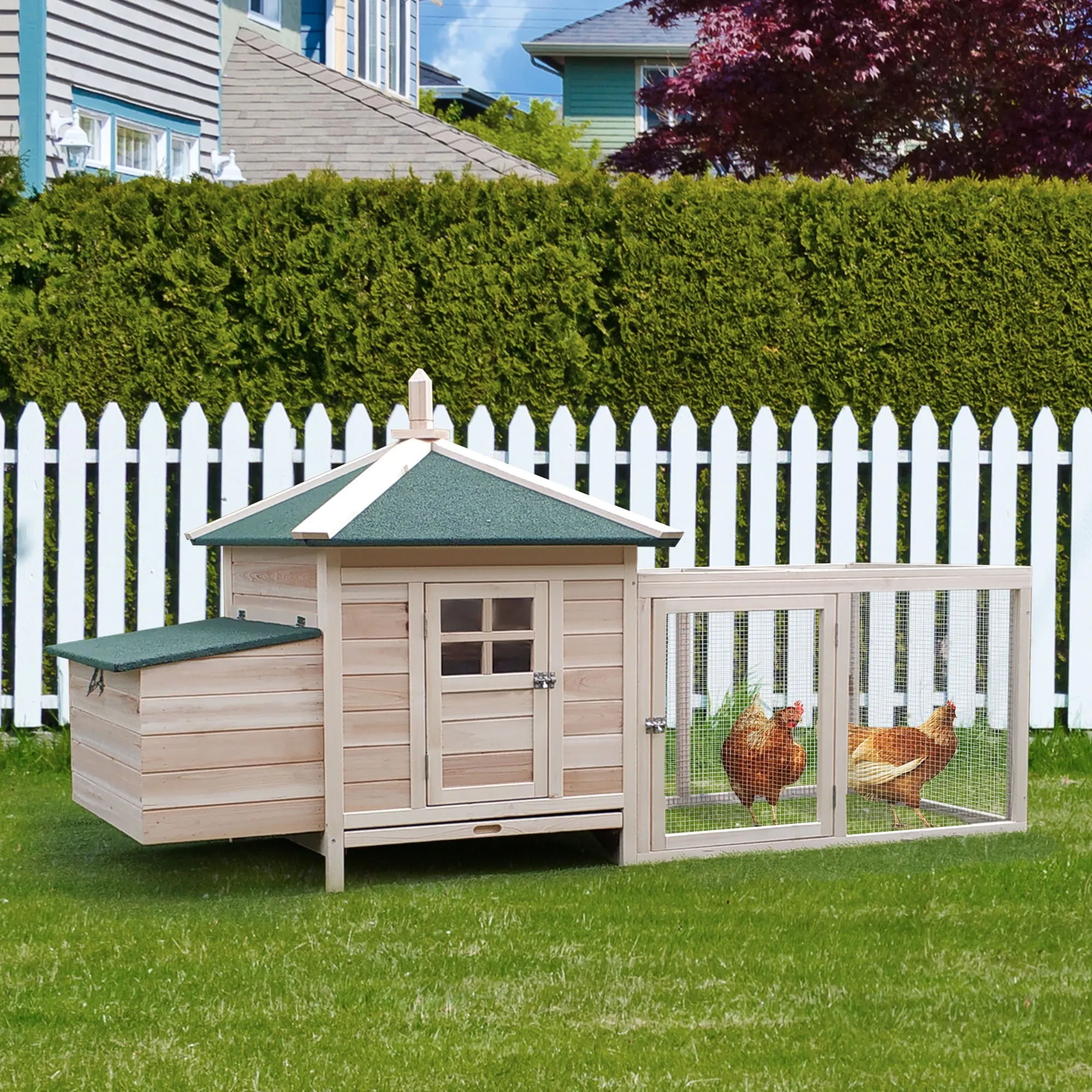
Choosing the right chicken coop is essential for ensuring the health, safety, and happiness of your backyard flock. Among the many options available, PawHut chicken coops have gained popularity for their practicality and design. This comprehensive guide will walk you through everything you need to know to select the perfect PawHut chicken coop, ensuring your feathered friends have a comfortable and secure home. Whether you’re a seasoned chicken keeper or a beginner, this guide will help you make an informed decision and set up a thriving backyard coop.
PawHut Chicken Coop Overview
PawHut offers a range of chicken coops designed to accommodate various flock sizes and backyard setups. Known for their focus on functionality and aesthetic appeal, PawHut coops typically combine practicality with user-friendly features. These coops are often constructed with durable materials and include essential components like nesting boxes, roosting bars, and enclosed runs. The designs often incorporate features that promote good ventilation and easy cleaning, making them a popular choice for chicken keepers seeking both style and substance. They provide shelter from the elements and protection from predators, ensuring the well-being of your chickens. PawHut coops are typically sold online and are known for easy assembly.
What is a PawHut Chicken Coop?
A PawHut chicken coop is a pre-fabricated housing structure specifically designed to house chickens. These coops are typically made from wood or metal and include essential features such as nesting boxes, roosting bars, and an enclosed run area. The design focuses on providing a safe, secure, and comfortable environment for chickens to live and lay eggs. PawHut coops come in various sizes and styles, catering to different flock sizes and backyard environments. They are designed for easy assembly and maintenance, making them a convenient option for both novice and experienced chicken keepers. Key features often include predator-resistant latches, adequate ventilation, and easy-to-clean surfaces, all contributing to the overall health and well-being of the chickens.
Why Choose a PawHut Chicken Coop?

Choosing a PawHut chicken coop offers several advantages. First, PawHut coops are often more affordable than custom-built options, making them accessible to a wider range of chicken keepers. They are designed for ease of assembly, typically including all necessary hardware and straightforward instructions, which saves time and effort. PawHut coops come with built-in features like nesting boxes and roosting bars, simplifying the process of creating a functional chicken habitat. The enclosed run areas provide a safe space for chickens to roam and forage, while the coops themselves offer protection from the elements and predators. PawHut coops also frequently incorporate aesthetic designs, enhancing the appearance of your backyard. Choosing a pre-fabricated coop like PawHut can be a practical and stylish solution for keeping chickens.
Key Considerations for Choosing a PawHut Chicken Coop
Several factors should be considered when selecting a PawHut chicken coop to ensure it meets your needs and provides a comfortable and secure home for your chickens. The most important factor is the size of your flock. Consider the number of chickens you plan to keep and choose a coop with adequate space to accommodate them comfortably. Material selection is another crucial factor; wood coops often offer better insulation and aesthetic appeal, while metal coops are generally more resistant to pests and easier to clean. Features such as nesting boxes, roosting bars, and enclosed runs are essential and should be carefully evaluated. Ventilation is important, so look for coops with proper airflow. Finally, consider the ease of assembly and cleaning; a well-designed coop should be easy to assemble and maintain, ensuring the health and well-being of your chickens.
Size Requirements Based on Flock Size
Determining the appropriate coop size based on your flock size is crucial for the health and well-being of your chickens. As a general rule, allow a minimum of 4 square feet of space per chicken inside the coop for roosting and nesting. In the enclosed run area, provide at least 8-10 square feet per chicken to allow ample space for foraging and exercise. Overcrowding can lead to stress, increased aggression, and the spread of diseases within the flock. When selecting a PawHut coop, always refer to the manufacturer’s recommendations and consider your chickens’ breed, as some breeds require more space than others. Plan for future expansion if you anticipate adding more chickens, and opt for a larger coop to provide extra room and comfort for your flock.
Material Selection Wood vs Metal

PawHut chicken coops are commonly constructed from wood or metal, each offering unique advantages. Wood coops often provide better insulation, keeping chickens warm in winter and cool in summer. They also tend to have a more aesthetically pleasing appearance, blending well into a garden setting. However, wooden coops require regular maintenance, such as sealing and painting, to protect against the elements and prevent rot. Metal coops, on the other hand, are typically more durable and resistant to pests and rodents. They are also easier to clean and maintain. Metal coops may not provide as much insulation as wood, so consider additional insulation if you live in an area with extreme temperatures. Evaluate your climate and the level of maintenance you’re willing to undertake when choosing between a wood or metal PawHut coop to ensure it suits your needs.
Features to Look For in a PawHut Coop
When evaluating PawHut coops, several features are essential for providing a comfortable and secure environment for your chickens. Nesting boxes are a must-have, providing a safe and private space for hens to lay eggs. Roosting bars are also crucial, allowing chickens to perch and sleep comfortably at night. An enclosed run area is essential to protect chickens from predators while providing space for foraging and exercise. Adequate ventilation is key to maintaining air quality and preventing the build-up of moisture and ammonia. Look for coops with vents that allow air circulation without creating drafts. Secure latches and predator-resistant construction are critical for protecting your chickens from predators such as raccoons, foxes, and dogs. Consider coops with easily accessible cleaning features, such as removable trays or sliding floors, to simplify maintenance.
Run and Enclosure Design
The design of the run and enclosure is a vital consideration when selecting a PawHut chicken coop. The run should be spacious enough to allow chickens to move freely and forage. The enclosure should be constructed with sturdy, predator-resistant materials like wire mesh with small openings to prevent predators from entering. The run should offer protection from the elements, providing shade and shelter from rain and sun. A secure run will also help prevent chickens from escaping. Consider the placement of the run in relation to the coop; it should be easy to access for both chickens and the owner. The design of the run can also incorporate features like a covered area for dust bathing or a protected space for feeders and waterers, ensuring the health and happiness of your flock.
Ventilation and Airflow

Proper ventilation and airflow are crucial for maintaining a healthy environment inside the PawHut chicken coop. Adequate ventilation helps to remove moisture, ammonia, and other harmful gases, preventing respiratory problems and diseases in chickens. Look for coops with vents that allow air circulation without creating drafts. The vents should be strategically placed to promote airflow throughout the coop. Ensure that the coop has sufficient openings for air to enter and exit, and consider the placement of these openings to minimize direct exposure to prevailing winds. Regular cleaning and maintenance of the coop also contribute to good air quality, ensuring that your chickens live in a fresh, healthy environment. Proper ventilation is a key component in maintaining the overall well-being of your flock and promoting their health.
Accessibility and Ease of Cleaning
Accessibility and ease of cleaning are important factors that will significantly impact your ability to maintain a clean and healthy environment for your chickens. Choose a PawHut coop with features that facilitate easy access for cleaning. Removable trays, sliding floors, or wide doors make it simple to remove droppings and debris. Consider the location of nesting boxes and roosting bars, ensuring they are easy to access for cleaning. Easy accessibility also simplifies the process of gathering eggs and inspecting your chickens. A well-designed coop will also incorporate materials and finishes that are easy to wipe down and disinfect. Regular cleaning, including removing droppings, replacing bedding, and disinfecting the coop, is essential for preventing diseases and maintaining a healthy environment for your flock.
Assembly and Setup of Your PawHut Coop
Assembling and setting up your PawHut chicken coop is a straightforward process, generally designed for easy assembly. Before you start, carefully review the provided instructions and ensure you have all the necessary tools. Most PawHut coops come with pre-drilled holes and labeled parts, making assembly a relatively simple process. It is recommended to assemble the coop in a well-lit, open area, and it’s often helpful to have a helper. Follow the step-by-step instructions, and don’t hesitate to contact PawHut customer service if you encounter any difficulties. Once assembled, place the coop in a suitable location, ensuring it’s level and secure. Add bedding, set up feeders and waterers, and allow your chickens to explore their new home. Make sure the coop is positioned in a safe location to give them shelter from the weather.
Step-by-Step Assembly Guide

- Unpack and Inventory: Upon receiving your PawHut coop, carefully unpack all components and verify that you have all the parts listed in the instruction manual.
- Prepare the Foundation: Choose a level spot for your coop, and consider adding a gravel base or a concrete slab for stability and drainage.
- Assemble the Main Structure: Follow the instructions to assemble the walls, floor, and roof of the coop. Attach the panels and secure them with screws.
- Install Doors and Windows: Install the doors and windows, ensuring they open and close smoothly. Make sure the latches are secure.
- Add Nesting Boxes and Roosting Bars: Attach the nesting boxes and roosting bars according to the instructions. Position them in a way that’s accessible for both you and your chickens.
- Assemble the Run: If your coop has a run, assemble the wire mesh panels and attach them to the main structure. Ensure the run is secure and free from gaps.
- Finishing Touches: Add any remaining features, such as ramps, latches, and ventilation components. Double-check all connections and ensure everything is securely fastened.
Maintaining Your PawHut Chicken Coop
Regular maintenance is key to ensuring the longevity and functionality of your PawHut chicken coop. Routine cleaning is essential for maintaining hygiene and preventing the buildup of harmful bacteria and parasites. Inspect the coop regularly for any signs of damage, such as loose screws, broken parts, or wear and tear. Address any issues promptly to prevent them from worsening. Depending on the material of your coop, you may need to apply a protective coating, such as paint or sealant, to protect it from the elements. Check and maintain the hinges, latches, and any moving parts to ensure they function properly. With proper care and maintenance, your PawHut chicken coop will provide a safe and comfortable home for your chickens for years to come.
Cleaning and Hygiene Practices
Regular cleaning is essential to prevent the spread of diseases and maintain a healthy environment for your chickens. Remove droppings and soiled bedding regularly, ideally several times a week. Replace the bedding with fresh, clean material. Deep clean the coop at least once a month, removing all bedding and thoroughly washing all surfaces with a poultry-safe disinfectant. Pay special attention to nesting boxes and roosting bars. Ensure that feeders and waterers are cleaned regularly to prevent contamination. Proper hygiene practices include regular handwashing after handling the coop or interacting with the chickens. Good hygiene and cleaning practices are crucial for the health and well-being of your flock and will help to prevent common chicken diseases.
Protecting Your Coop from Predators

Predator protection is a critical aspect of chicken coop management, safeguarding your flock from potential threats. The PawHut chicken coop design should have built-in predator-resistant features such as sturdy latches, secure wire mesh, and solid construction to prevent predators from entering. Reinforce any weak points, such as corners or doorframes. Bury wire mesh around the perimeter of the run to prevent digging predators from gaining access. Secure the coop at night and during any periods when the chickens are unsupervised. Eliminate potential attractants, such as spilled feed or improperly stored garbage, to deter predators from your property. By taking these measures, you can minimize the risk of predator attacks and ensure the safety and security of your chickens.
PawHut Chicken Coop Pros and Cons
Like all chicken coops, PawHut coops have their pros and cons. Understanding these will help you determine if it’s the right choice for your flock. The pros include their affordability, ease of assembly, and user-friendly designs, often with integrated features. PawHut coops can enhance the aesthetics of your backyard. However, some potential drawbacks include the quality of materials which may not be as robust as custom-built or premium coops, potentially shorter lifespans, and the need for regular maintenance. Considering the size and features, and the durability, will help you make a decision that’s right for you. Overall, the choice depends on your individual needs and preferences.
Advantages of a PawHut Coop
- Affordability PawHut coops are often more budget-friendly than custom-built options.
- Ease of Assembly Designs are generally straightforward, with pre-drilled holes and clear instructions.
- User-Friendly Features Built-in nesting boxes, roosting bars, and runs provide convenience.
- Aesthetic Appeal PawHut coops often incorporate attractive designs that complement backyard settings.
Potential Drawbacks to Consider

- Material Quality Some users note that the materials might not be as durable as those used in more premium coops.
- Lifespan The lifespan may be shorter compared to coops constructed with higher-grade materials.
- Maintenance Regular maintenance, such as sealing and painting, may be required to maintain the coop.
Final Thoughts on Choosing the Best PawHut Coop
Choosing the right PawHut chicken coop involves careful consideration of your flock size, backyard setup, and personal preferences. By assessing your needs and understanding the key considerations discussed in this guide, you can select a coop that will provide a safe, comfortable, and attractive home for your chickens. Evaluate features such as size, material, ventilation, predator protection, and ease of cleaning to ensure that the chosen coop meets your requirements. With the right PawHut chicken coop, you can create a thriving backyard environment where your chickens will flourish, and you’ll enjoy the benefits of fresh eggs and the joy of raising a healthy and happy flock. Consider your specific requirements to select the coop that perfectly fits your needs.