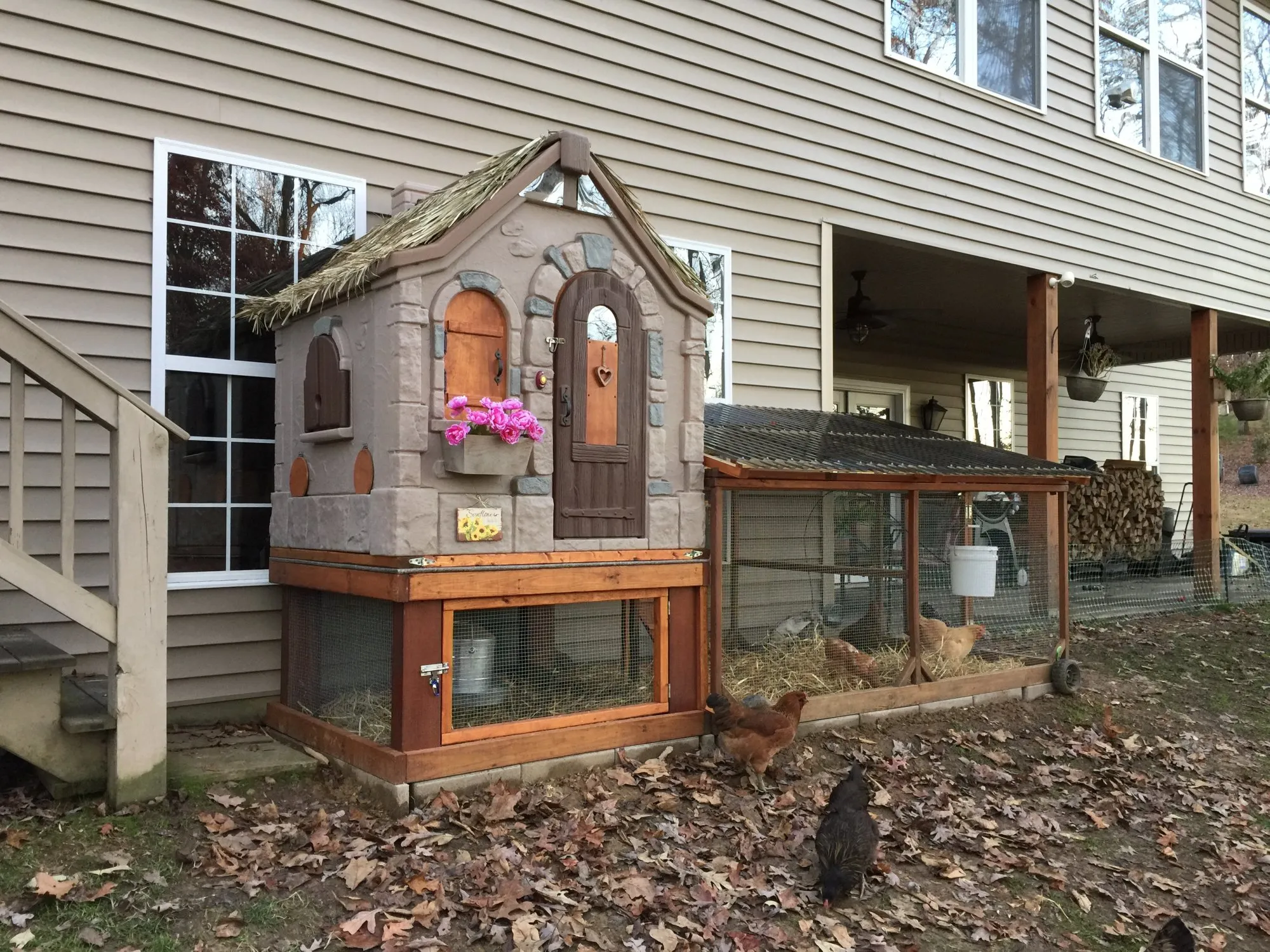
Why Choose a Plastic Chicken Coop The Benefits
Choosing the right housing for your chickens is a crucial decision for any poultry enthusiast. A plastic chicken coop offers a range of advantages that make it a compelling choice for both novice and experienced chicken keepers. Unlike traditional wooden coops, plastic coops bring a level of convenience, durability, and hygiene that can significantly enhance the well-being of your flock and simplify your chicken-keeping duties. The modern approach to chicken coop design frequently prioritizes these benefits, making plastic coops a popular option. Let’s delve into why a plastic chicken coop might be the perfect solution for you and your feathered friends.
Durability and Weather Resistance
One of the most significant advantages of a plastic chicken coop is its superior durability and weather resistance. Constructed from high-density polyethylene (HDPE) or similar robust plastics, these coops are designed to withstand the elements. Unlike wooden coops, which can rot, warp, or deteriorate over time due to moisture, plastic coops remain unaffected by rain, snow, and sun exposure. This inherent resilience translates to a longer lifespan and reduces the need for frequent replacements or repairs, offering long-term cost savings. Consider the climate you live in and choose a coop built with high-quality materials to ensure it withstands harsh weather conditions. This will keep your chickens safe and secure throughout the year.
Easy Cleaning and Maintenance

Cleaning and maintenance are critical aspects of chicken keeping, and plastic coops excel in this area. The smooth, non-porous surfaces of a plastic coop make it incredibly easy to clean. Waste and debris don’t adhere as readily as they do to wood, and a simple rinse with a hose or a wipe-down with a mild detergent is usually sufficient to keep the coop sanitary. This ease of cleaning not only saves you time and effort but also contributes to the overall health of your chickens by reducing the risk of bacterial buildup and the spread of diseases. Furthermore, the lack of cracks and crevices in plastic coops prevents mites and other pests from finding hiding places, further simplifying maintenance and improving hygiene.
Pest and Predator Resistance
Plastic chicken coops offer excellent pest and predator resistance. The solid construction and tight-fitting components of these coops make it difficult for pests like mites, rodents, and other insects to infest the coop. Additionally, the robust design helps to deter predators such as foxes, raccoons, and other animals that may pose a threat to your chickens. While no coop is completely predator-proof, the materials and construction of plastic coops provide a significantly higher level of protection compared to traditional wooden structures. Always supplement your coop with additional predator-proofing measures to maximize your flock’s safety.
Choosing the Right Size Plastic Chicken Coop
Selecting the appropriate size plastic chicken coop is essential for the health and happiness of your chickens. A coop that’s too small can lead to overcrowding, which can stress your birds, increase the risk of disease, and even encourage pecking and aggression. Conversely, a coop that’s too large might be more difficult to maintain and could leave your chickens feeling exposed and less secure. Taking time to accurately assess your flock size, considering the breeds, and evaluating the space you have available is crucial before making your final decision. Remember, happy chickens are healthy chickens, and a well-sized coop is a cornerstone of chicken-keeping success.
Consider Your Flock Size

The most important factor when determining the size of your plastic chicken coop is the number of chickens you plan to house. A general guideline is to provide at least 4 square feet of floor space per chicken inside the coop, although some breeds may need more. For the roosting area, allow at least 8 to 12 inches of roosting space per bird. If you anticipate expanding your flock in the future, it’s wise to choose a coop that can accommodate the additional chickens. Keep in mind that overcrowding can cause a variety of problems, including increased stress, decreased egg production, and a greater likelihood of disease outbreaks. Always err on the side of providing more space than you think you need.
Assess Your Available Space
Beyond the number of chickens, the space you have available in your backyard or property is also a critical consideration. Before purchasing a plastic chicken coop, measure the area where you intend to place it and ensure the coop’s dimensions will fit comfortably. Consider the surrounding environment as well. Will the coop be exposed to direct sunlight or strong winds? Do you need to provide additional shade or windbreaks? Also, think about the ease of access for cleaning, feeding, and collecting eggs. The best location for your coop should be convenient for you and safe for your chickens. Choose a level spot, preferably with good drainage to prevent water from pooling.
Check Coop Features
Beyond the size and placement, pay close attention to the features of the plastic chicken coop. Look for coops with features that will make chicken-keeping easier and more efficient. Consider the accessibility of the coop, such as the size and placement of doors for easy cleaning and egg collection. Ensure that the coop has adequate ventilation to promote good air circulation and prevent moisture buildup. Check the materials used in the construction. High-quality HDPE plastic is a great choice for durability and weather resistance. Examine the predator protection features, such as secure latches, sturdy construction, and wire mesh that protects vulnerable areas.
Essential Features for a Plastic Chicken Coop

A well-designed plastic chicken coop should incorporate specific features to ensure the health, safety, and comfort of your chickens. These features go beyond basic shelter and contribute to the overall ease of chicken keeping. When selecting a coop, pay attention to the details and consider how each feature will benefit both your birds and yourself. Remember, investing in a coop with these essential elements is an investment in your flock’s well-being and your own peace of mind. Prioritizing these features will ultimately lead to a more successful and enjoyable chicken-keeping experience.
Ventilation for Optimal Airflow
Proper ventilation is essential for a healthy chicken coop. Adequate airflow helps to remove excess moisture, ammonia fumes from droppings, and stale air, which can lead to respiratory problems and other health issues in your chickens. Look for a plastic chicken coop that includes well-placed vents, such as those near the roofline or on the sides of the coop. These vents should be designed to allow air to circulate without creating drafts directly on the chickens. Some coops also include adjustable vents, allowing you to control the airflow based on weather conditions. Proper ventilation helps regulate the coop’s temperature, prevents the buildup of condensation, and keeps the coop environment fresh and clean.
Predator-Proofing Keeping Chickens Safe
Protecting your chickens from predators is a top priority. A well-designed plastic chicken coop should include several predator-proofing features. These may include secure latches on doors and windows, sturdy construction to prevent forced entry, and hardware cloth or wire mesh to cover any openings where predators could enter. The coop’s base should be solid and preferably raised off the ground to deter digging predators. Consider the specific predators in your area and choose a coop that is designed to resist them. Reinforce any vulnerable areas, such as the door frames or the base of the coop, and inspect your coop regularly for any signs of damage or potential entry points.
Easy Access for Egg Collection

Collecting eggs should be a simple and convenient task. Choose a plastic chicken coop that has a well-designed egg collection area. Look for coops with exterior access to the nesting boxes, as this will allow you to collect eggs without having to enter the coop. The nesting boxes should be spacious enough for your hens to comfortably lay their eggs and should be located in a dark, secluded area to encourage egg-laying. The access door or lid should be easy to open and close, with a secure latch to prevent predators from gaining access to the eggs. A well-designed egg collection system will save you time and make the whole process more enjoyable.
How to Clean and Maintain Your Plastic Chicken Coop
Maintaining a clean and well-kept plastic chicken coop is essential for the health and well-being of your chickens. Regular cleaning not only prevents the buildup of harmful bacteria and odors but also extends the lifespan of the coop. With the right approach and cleaning supplies, keeping your plastic chicken coop in top condition is a manageable task. Regular maintenance is a key factor in ensuring that your chickens stay healthy and productive. Proper cleaning also helps prevent pests from becoming a problem in your coop.
Regular Cleaning Schedule
Establish a regular cleaning schedule to keep your plastic chicken coop in optimal condition. This may vary depending on the size of your flock, the weather, and your personal preferences, but a general guideline is to clean the coop at least once a week. Remove droppings, soiled bedding, and any spilled feed or water. Rinse down the interior surfaces of the coop with water, using a hose or bucket. Pay special attention to the nesting boxes and roosting areas, as these are the areas where the most waste accumulates. A thorough cleaning every few months is highly recommended.
Disinfecting the Coop

In addition to regular cleaning, periodically disinfect your plastic chicken coop to eliminate bacteria, viruses, and parasites. Choose a chicken-safe disinfectant, such as a diluted bleach solution or a commercial coop disinfectant, and follow the manufacturer’s instructions carefully. Remove all chickens and food/water containers before disinfecting the coop. Apply the disinfectant to all surfaces of the coop, including the floor, walls, and nesting boxes. Let the disinfectant sit for the recommended amount of time, then rinse thoroughly with clean water. Allow the coop to air dry completely before returning your chickens and replacing the bedding.
Extending the Lifespan of Your Plastic Chicken Coop
By following proper care and maintenance, you can significantly extend the lifespan of your plastic chicken coop and ensure it remains a safe and comfortable home for your chickens for many years to come. Simple steps, such as preventative measures and regular inspections, can protect the coop against damage and wear. Extending the life of your coop also provides a greater return on your investment and reduces the need for frequent replacements. Taking a proactive approach to coop maintenance helps to keep your chickens happy and your investment worthwhile.
Placement Choosing the Right Location
The location of your plastic chicken coop plays a crucial role in its longevity. Place the coop in a sheltered area, away from extreme weather conditions, such as direct sunlight, strong winds, and heavy snowfall. If possible, provide shade during the hottest months of the year to help regulate the temperature inside the coop. Avoid placing the coop in a low-lying area where water can pool, as this can lead to moisture damage and the growth of mold and mildew. Ensure the coop is on a level surface with good drainage to prevent the accumulation of moisture.
Providing Shade and Protection

Consider the environmental conditions in your area and provide additional shade or protection for your plastic chicken coop as needed. In hot climates, use shade cloth or a sunshade to reduce the amount of direct sunlight that reaches the coop. This will help keep the coop cooler and prevent the plastic from degrading over time. In areas with heavy snowfall, clear snow from the roof of the coop to prevent it from accumulating and potentially damaging the structure. Regularly inspect the coop for any signs of wear and tear, and address any issues promptly. This may include tightening screws, repairing any cracks, or applying a protective sealant to any exposed areas.
Frequently Asked Questions about Plastic Chicken Coops
When considering a plastic chicken coop, you might have several questions about its practicality, features, and overall suitability for your needs. Addressing these frequently asked questions can help you make an informed decision and ensure that you choose the right coop for your flock. Here are some of the common questions that chicken keepers often ask about plastic chicken coops, along with the answers.
- Are plastic chicken coops safe for chickens? Yes, when constructed from high-quality, non-toxic materials and designed with adequate ventilation and predator protection, plastic coops provide a safe and secure environment for chickens.
- How long do plastic chicken coops last? The lifespan of a plastic chicken coop can vary depending on the quality of the materials and the environmental conditions, but, with proper care and maintenance, they can last for many years, often outlasting wooden coops.
- How easy is it to assemble a plastic chicken coop? Most plastic chicken coops are designed for easy assembly, with clear instructions and minimal tools required. Many models feature interlocking panels that snap together, making the assembly process straightforward.
- Are plastic chicken coops better than wooden coops? Plastic chicken coops often offer advantages over wooden coops in terms of durability, weather resistance, ease of cleaning, and pest control. However, the best choice depends on your specific needs and preferences.
- How do I clean a plastic chicken coop? Cleaning a plastic chicken coop is typically easy. You can use a hose or bucket of water to rinse away waste and debris, and then clean the coop with a mild detergent. Regular cleaning and occasional disinfecting will keep the coop sanitary and odor-free.