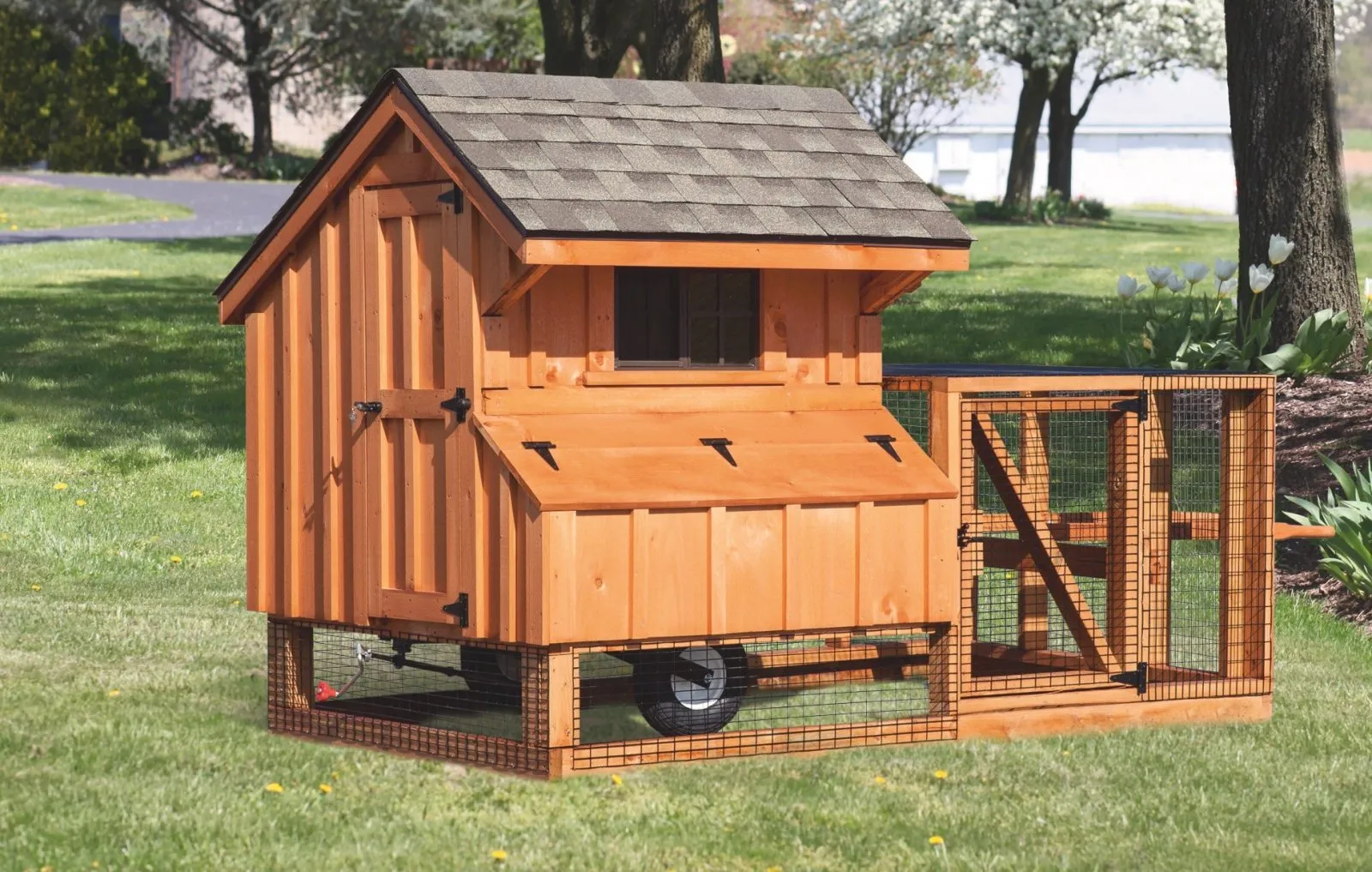
What is a Portable Chicken Coop?
A portable chicken coop, also known as a chicken tractor, is a mobile enclosure designed to house chickens. Unlike stationary coops, these coops can be easily moved around your yard or pasture. This mobility offers a range of advantages for both the chickens and the chicken keeper. Portable coops come in various designs and sizes, from simple, lightweight structures to more elaborate, robust constructions. The primary goal of a portable coop is to provide chickens with a safe, secure, and comfortable living space while allowing you to manage their environment and integrate them into your land management practices. This guide will delve into the specifics of portable chicken coops, covering their benefits, construction, and maintenance to help you decide if one is right for your flock.
Benefits of a Portable Chicken Coop
Investing in a portable chicken coop can significantly enhance your chicken-keeping experience. These coops offer numerous advantages over their stationary counterparts, impacting everything from chicken health to land management. The benefits extend beyond simply providing a place for chickens to live; they provide a dynamic solution for integrating chickens into a sustainable and efficient backyard or farm ecosystem. Consider these points to gain a better understanding of why a portable chicken coop might be the perfect solution for your backyard.
Mobility and Flexibility

One of the most significant advantages of a portable chicken coop is its mobility. This allows you to easily relocate the coop to fresh pasture, providing your chickens with a constant supply of new foraging opportunities. Chickens can access a variety of insects, seeds, and greens, which enhances their diet and overall health. This constant access to fresh food also results in higher-quality eggs with richer yolks. Moreover, moving the coop prevents the build-up of waste in one location, reducing odor and potential disease issues. The flexibility of a portable coop enables you to adapt to changing weather conditions, ensuring your chickens have a safe and comfortable environment year-round.
Improved Pasture Management
Portable chicken coops play a vital role in improving pasture management. By moving the coop regularly, you prevent overgrazing in any one area. Chickens naturally till the soil with their scratching and pecking, aerating the ground and distributing their manure, which acts as a natural fertilizer. This helps improve soil fertility and promotes healthier grass growth. Integrating chickens into your pasture management strategy helps maintain a balanced ecosystem, reduces the need for chemical fertilizers, and contributes to sustainable farming practices. Rotating the coop also helps control pests such as ticks and other insects that can thrive in stagnant areas, keeping your chickens and your land healthier.
Reduced Pest Problems
Portable chicken coops contribute significantly to pest control. As chickens forage, they consume insects, grubs, and weed seeds, helping to reduce the populations of unwanted pests in your yard. This natural pest control minimizes the need for chemical pesticides, promoting a healthier environment. The constant movement of the coop prevents pests from establishing long-term habitats, further reducing infestations. By integrating chickens into your pest management plan, you can create a more balanced and sustainable ecosystem, benefiting your chickens, your yard, and the surrounding environment. This natural form of pest control is cost-effective and environmentally friendly, making it a practical choice for any chicken keeper.
How to Build a Portable Chicken Coop

Building your own portable chicken coop can be a rewarding DIY project. The design and construction process can be customized to suit your specific needs, available space, and aesthetic preferences. However, proper planning and adherence to best practices are essential to ensure the coop is secure, functional, and comfortable for your chickens. The following steps provide a comprehensive guide to help you through the process, from initial design to final construction. Whether you’re a seasoned builder or a beginner, following these guidelines will help you create a safe and effective mobile coop for your flock.
Planning and Design
Before you start building, meticulous planning is crucial. First, consider the size of your flock and determine the appropriate dimensions for your coop. Provide at least 4 square feet of floor space per chicken inside the coop and 8-10 square feet in the run, if attached. Next, decide on the design of your coop. There are numerous free and paid plans available online, ranging from simple rectangular structures to more elaborate models. Consider factors like ease of movement, predator protection, ventilation, and access for cleaning and egg collection. Sketch out your design, create a materials list, and estimate the cost to ensure a well-organized and efficient building process.
Choosing the Right Materials
Selecting the right materials is crucial for building a durable and weather-resistant portable chicken coop. For the frame, use pressure-treated lumber to prevent rot and insect damage. For the walls, you can use plywood, corrugated metal, or other durable materials. Ensure the materials are non-toxic and safe for chickens. Use hardware cloth with small openings (1/2 inch or less) to cover windows and ventilation openings to prevent predators from entering. Opt for roofing materials that are waterproof and provide good insulation, such as asphalt shingles or metal roofing. Select non-toxic paint or stain for the exterior and avoid any materials that can be harmful to chickens if ingested. Prioritize materials that are durable, weather-resistant, and easy to clean.
Building the Frame

Constructing a sturdy frame is the foundation of a reliable portable chicken coop. Start by cutting the lumber according to your plan’s specifications. Assemble the frame using screws and nails, ensuring all joints are square and secure. Consider adding corner braces and cross supports to increase stability, especially if the coop will be moved frequently. Ensure the frame is level and sits firmly on the ground, and attach wheels or skids to the bottom for easy movement. Build the frame on a flat surface to maintain accuracy and ensure the coop’s overall structural integrity. Carefully measure and double-check all dimensions before attaching any components.
Adding Walls, Roof, and Floor
Once the frame is complete, it’s time to add the walls, roof, and floor. Attach the wall material to the frame, ensuring it is securely fastened. Install a sloped roof to allow for water runoff, and consider adding an overhang to provide shade and protection from the elements. For the floor, you can use plywood or create a slatted floor for easy cleaning. Make sure all materials are securely fastened, and there are no gaps where drafts or predators can enter. Install the door(s) and any necessary ventilation openings, covered with hardware cloth to keep pests out. Ensure the roof is properly sealed to prevent leaks and protect your chickens from the weather.
Creating a Secure Coop
Ensuring the security of your portable chicken coop is critical to protect your chickens from predators. Use heavy-duty hardware cloth or welded wire mesh with small openings to cover all windows and ventilation openings. Bury the hardware cloth around the perimeter of the coop at least 12 inches deep to prevent digging predators from entering. Secure all doors and latches with sturdy hardware to prevent them from being opened by animals. Consider adding a locking mechanism to the doors and windows. Regularly inspect the coop for any signs of damage or potential entry points and make necessary repairs immediately. Secure the coop to the ground with stakes or anchors to prevent it from being overturned by strong winds or predators.
Adding Chicken Run

A chicken run provides a safe and enclosed area for your chickens to roam and forage. If you are incorporating a run into your portable coop design, build a frame using similar materials to the coop itself. Cover the run with hardware cloth or welded wire mesh, ensuring all edges are securely fastened to prevent predators from entering. Provide adequate space for your chickens to move around comfortably, allowing at least 8-10 square feet per bird. Ensure the run is attached securely to the coop. Include a shaded area in the run to protect the chickens from direct sunlight. Consider incorporating a gate for easy access and add a feeder and waterer within the run to ensure your chickens have constant access to food and water.
Maintaining Your Portable Coop
Proper maintenance is crucial for the long-term health and functionality of your portable chicken coop. Regular cleaning, predator protection, and proper moving techniques are essential to ensuring that your chickens stay healthy and the coop remains a safe haven for them. Following these guidelines will help you extend the life of your coop and provide a comfortable environment for your flock.
Cleaning and Sanitation
Regular cleaning is essential to maintain a healthy environment for your chickens and prevent the build-up of harmful bacteria and parasites. Clean the coop at least once a week, or more frequently if necessary. Remove droppings, spilled feed, and other debris. Replace the bedding, such as straw, wood shavings, or sand, regularly. Wash down the coop with a poultry-safe disinfectant to kill bacteria and parasites. Allow the coop to dry completely before replacing the bedding. Regularly inspect the coop for signs of pests or disease and take appropriate action to prevent outbreaks. Consistent cleaning practices will ensure your chickens’ well-being and extend the life of your coop.
Protecting from Predators

Protecting your chickens from predators is an ongoing responsibility. Regularly inspect the coop for any signs of damage or potential entry points. Ensure that all latches and locks are secure and in good working order. Consider installing additional security measures, such as motion-activated lights or electric fencing, to deter predators. Keep the area around the coop clean and free of debris that could attract predators. Be vigilant about the presence of predators in your area and take proactive steps to protect your flock. Consistent predator-proofing efforts will help keep your chickens safe.
Moving Your Coop
Moving your portable chicken coop is a key part of its design. To move the coop safely and effectively, ensure it is empty of chickens before transport. Inspect the wheels, skids, and towing mechanisms for any damage. Choose a level path, avoiding obstacles. Use a wheelbarrow, tractor, or other suitable method to move the coop. If the coop has handles, use them to lift and reposition. Move the coop slowly and carefully to avoid any stress on the structure or your chickens. Always ensure the coop is in a stable position after moving, and make sure that the chickens can safely re-enter their new space.
In conclusion, building and maintaining a portable chicken coop provides a versatile and beneficial solution for keeping chickens. By understanding the advantages, construction methods, and maintenance requirements, you can provide a healthy and comfortable environment for your flock while improving your land management practices. From planning and design to predator protection and sanitation, following the guide will help you create a successful and sustainable chicken-keeping experience. Embrace the mobility and flexibility of a portable chicken coop and watch your flock thrive.