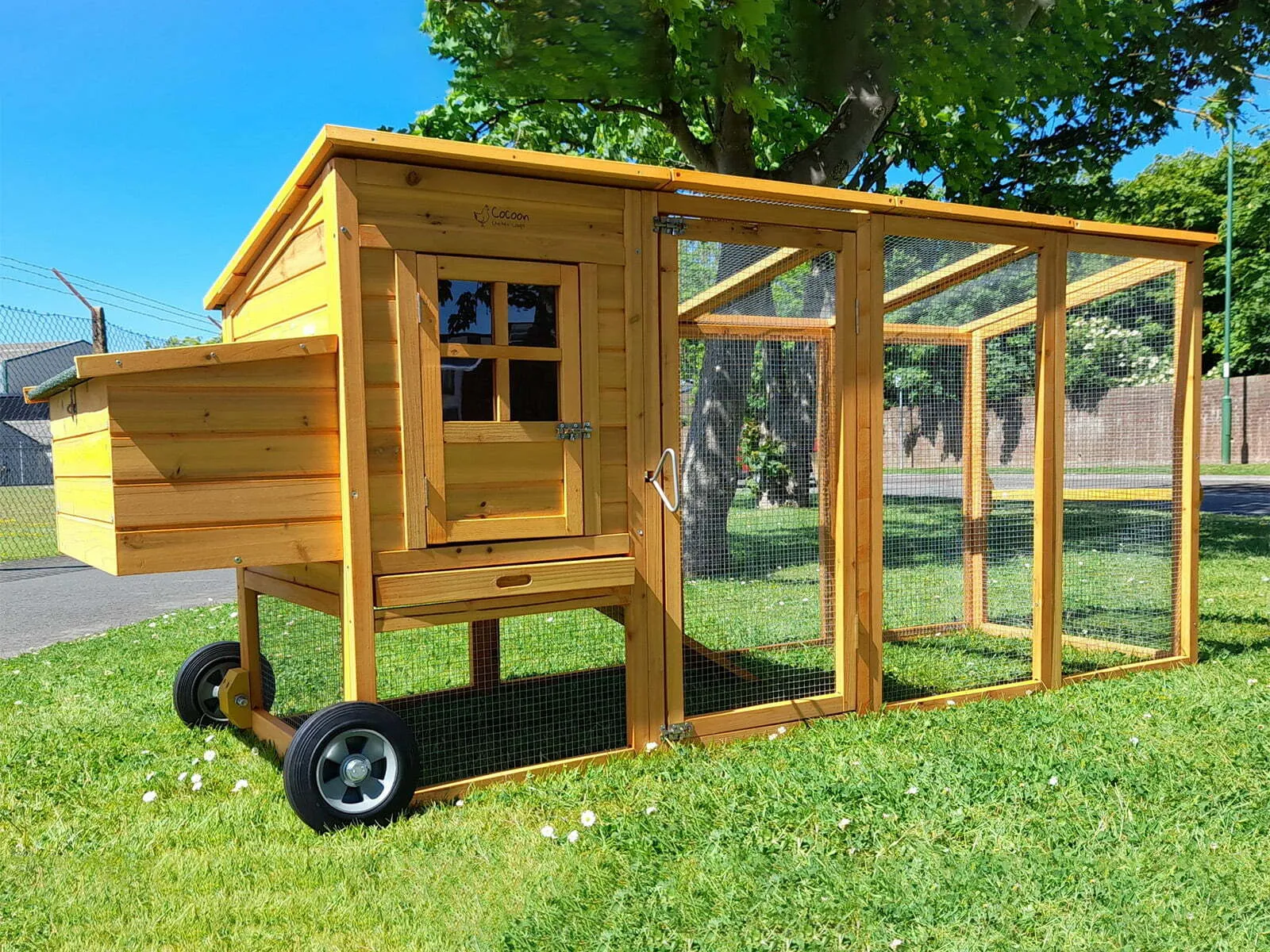
What is a Portable Chicken Coop (and Why You Need One)
A portable chicken coop, also known as a chicken tractor or mobile coop, is a movable enclosure designed to house chickens. Unlike stationary coops, portable coops can be easily relocated within a yard or pasture. This mobility is a key feature, offering numerous advantages for both the chickens and the keeper. This guide will walk you through everything you need to know about portable chicken coops, from their benefits to building your own. It is also a great solution to keep chickens safe from predators like foxes or coyotes as it offers a mobile solution. A portable chicken coop also offers a solution to efficiently manage your pasture.
Benefits of a Portable Chicken Coop
Investing in a portable chicken coop offers a range of advantages that can significantly improve the health and well-being of your chickens, as well as make chicken keeping more manageable for you. The design of the coop is centered around facilitating grazing in multiple locations, with the chickens getting fresh pasture and a decreased chance of disease or build-up of waste in one location. From enhanced pasture management to improved predator protection and chicken health, a portable chicken coop is a valuable investment for any chicken keeper.
Mobility and Pasture Management

One of the primary advantages of a portable chicken coop is its ability to be moved to different locations. This mobility is crucial for effective pasture management. Chickens naturally forage and scratch, which can quickly deplete the vegetation in a fixed area. By moving the coop regularly, you prevent overgrazing, allowing the pasture to regenerate. This also helps distribute manure evenly, fertilizing the soil naturally and reducing the need for manual cleanup. Additionally, providing access to fresh pasture ensures your chickens have a diverse diet, leading to healthier birds and better egg production.
Predator Protection
Predator protection is another critical benefit. While no coop is completely predator-proof, a portable coop can provide better protection than a free-range setup. By moving the coop frequently, you avoid establishing a predictable feeding ground for predators. The design of the coop itself can incorporate features like sturdy construction, secure latches, and hardware cloth to deter predators. Regularly inspecting the coop and surrounding area for signs of predators is essential. Furthermore, the ability to move the coop offers an advantage if you notice a predator frequenting a specific area, you can quickly relocate the coop to a safer location.
Improved Chicken Health
A portable chicken coop contributes significantly to the overall health and well-being of your flock. Access to fresh pasture provides chickens with a varied diet, including insects, seeds, and greens, which is crucial for their nutrition. The constant availability of new ground also reduces the concentration of parasites and diseases, as the chickens are not confined to a single area where pathogens can easily spread. Moving the coop helps prevent the buildup of droppings, which reduces the risk of respiratory illnesses and other health problems. This proactive approach to hygiene and nutrition results in healthier, happier chickens and potentially better egg production.
Choosing the Right Portable Chicken Coop

Selecting the right portable chicken coop involves careful consideration of several factors to ensure it meets your specific needs and circumstances. Assessing your flock size, the materials used in construction, and the features included are important aspects of your decision. Furthermore, you should consider the environment where the coop will be placed. A properly chosen coop will not only provide a safe and comfortable home for your chickens but also simplify the process of chicken keeping. Consider these factors when selecting your coop to ensure a smooth transition into the world of chicken keeping.
Size Considerations Based on Flock Size
The size of your portable chicken coop should be directly proportional to the number of chickens you plan to house. Overcrowding can lead to stress, increased aggression, and the spread of disease. A general guideline is to provide at least 4 square feet of floor space per chicken inside the coop and 8-10 square feet per chicken in the run area. Consider the breed of chickens you own and the size they grow to. Larger breeds require more space than smaller breeds. When determining the size of your coop, it’s also wise to consider future growth. It is better to have slightly more space than your current flock needs, in case you decide to expand later on.
Material Selection
The materials used in the construction of your portable chicken coop will significantly impact its durability, longevity, and ease of maintenance. Several materials can be used. Make sure to choose materials that can withstand the elements and provide a safe environment for your chickens. Wood is a popular choice, offering a natural aesthetic and good insulation, but it requires regular maintenance to prevent rot and decay. Metal coops are durable and predator-resistant but can get hot in the summer. Plastic coops are lightweight and easy to clean, but may not be as durable as wood or metal. Consider the climate and your budget when choosing materials.
Wood vs. Metal vs. Plastic

Each material used in portable chicken coops presents its own advantages and disadvantages. Wood offers natural insulation and can be aesthetically pleasing. However, it requires regular maintenance, such as painting or sealing, to protect against weather damage and pest infestation. Metal coops are highly durable and predator-resistant, but they can become very hot in direct sunlight. Proper ventilation is essential. Plastic coops are lightweight, easy to clean, and resistant to pests. However, they may not be as durable as wood or metal, especially in extreme weather conditions. The best choice depends on your specific needs, budget, and the climate in your area. Consider the overall lifespan of the coop when making your decision.
Essential Features to Look For
Several essential features should be included in any well-designed portable chicken coop. Secure latches and predator-resistant hardware cloth are crucial for protecting your chickens from predators. Adequate ventilation is essential for maintaining air quality and preventing respiratory problems. Nesting boxes should be provided for egg laying, ensuring a comfortable and private space for your hens. Roosting bars provide a place for chickens to sleep off the ground, which is their natural preference. Easy access for cleaning and egg collection is also a must, as it saves time and makes coop maintenance easier. Always consider how easy it is to access eggs, and perform maintenance.
Building Your Own Portable Chicken Coop
Building your own portable chicken coop can be a rewarding project, allowing you to customize the design to meet your specific needs and preferences. While it requires some time and effort, constructing your own coop can also be cost-effective and give you full control over the materials and construction quality. Before starting, it is essential to research different coop designs and choose one that suits your skill level and flock size. Planning is key to success, as it involves detailed design, gathering materials, and following step-by-step instructions. With careful planning and execution, you can create a safe, comfortable, and functional home for your chickens.
Planning and Design

Before you begin construction, thoroughly plan your portable chicken coop. Consider the size, shape, and features you want to include. Research various coop designs to get ideas and inspiration. Determine the dimensions based on your flock size, following the space guidelines. Create detailed plans, including measurements, a list of materials, and a step-by-step construction guide. Consider where you will place doors, windows, and nesting boxes. Plan how the coop will be moved. Draw a detailed plan or sketch, which will serve as a valuable reference during the building process. This careful planning will save you time and prevent potential mistakes during construction, ensuring a well-designed and functional coop.
Gathering Materials
Once you have finalized your plans, gather all the necessary materials. Create a detailed list of lumber, hardware, roofing materials, and any other components needed. The material list should be based on the dimensions and design of your coop. Choose durable, weather-resistant materials. Purchase the materials from a reputable supplier to ensure quality. It is also a good idea to have some extra materials on hand, in case of errors or unforeseen issues. Having all the necessary materials readily available will make the construction process smoother and more efficient. Before you start, organize all the materials.
Step-by-Step Construction Guide
Follow these steps for constructing your portable chicken coop. This will ensure a stable and functional coop. Always wear appropriate safety gear when working with tools and materials. First, assemble the coop frame. Then, add the walls, roof, and floor. Next, incorporate doors and ventilation. At each step, carefully follow your plans and measurements. If you’re not experienced in woodworking or similar construction practices, you may want to enlist assistance. Before you start, review your plans and ensure you understand all the steps. Take your time, and carefully follow the instructions to build a well-constructed coop.
Assembling the Coop Frame

Begin by assembling the frame of your portable chicken coop. This frame will be the foundation of the coop. Cut the lumber pieces according to your plans, ensuring accurate measurements. Join the pieces together using screws, nails, or other appropriate fasteners. Make sure the frame is square and level. For a more robust construction, consider adding corner braces or supports. Check the stability of the frame by placing it on a flat surface and ensuring it doesn’t wobble. This well-built frame will provide a strong and stable base for the rest of the coop construction. Remember, a solid frame is key.
Adding the Walls, Roof, and Floor
Once the frame is complete, add the walls, roof, and floor. Attach the wall panels to the frame using screws or nails. Ensure the panels fit snugly. For the roof, use roofing materials, like corrugated metal or shingles, and install them according to the manufacturer’s instructions. For the floor, consider using plywood, adding a layer of linoleum, or even covering it with sturdy material. Make sure the roof is weather-resistant and the floor is easy to clean. Proper installation of these elements will protect your chickens from the elements. Before you begin, make sure you are using appropriate safety gear. Ensure the construction is weather tight.
Incorporating Doors and Ventilation
Next, incorporate doors and ventilation into your coop. Install the doors, ensuring they are securely latched to prevent predators from entering. For ventilation, add vents or windows, positioned to allow for good airflow. Proper ventilation is crucial for maintaining air quality and preventing respiratory issues. Consider adding a predator-resistant wire mesh over the vents. Position the door and vents in such a way that they do not create drafts that can negatively affect the chickens. Making sure the coop has adequate ventilation and a secure door is key to a healthy coop. Double-check that the door latches correctly.
Placement and Setup

Once your portable chicken coop is constructed, proper placement and setup are essential for the health and well-being of your chickens. Choosing the right location, setting up the coop to maximize sunlight and shade, and securing the coop are all important aspects of this process. A well-placed coop will provide a safe, comfortable, and enriching environment for your flock, supporting their health and productivity. Regular adjustments to the placement of the coop will enhance the experience for the chickens. It is a dynamic process, as you work with the chickens and environment.
Choosing the Right Location
Select a location that offers protection from the elements, such as strong winds and direct sunlight. Consider the direction of prevailing winds and ensure the coop is situated to minimize exposure. Choose a level spot to ensure the coop is stable. Assess the soil conditions in the area. Avoid areas that are prone to flooding or water accumulation, as this can lead to moisture and potential health problems. Proximity to your house or other structures will impact how often you visit and check the coop. Selecting the right location is the first step in providing a suitable environment for your chickens.
Setting up the Coop for Optimal Sunlight and Shade
The right balance of sunlight and shade is important for your chickens. Position the coop to receive some morning sun, which helps with warmth and vitamin D production. However, ensure there is also shade available, particularly during the hottest part of the day, to prevent overheating. Utilize trees, shrubs, or install a shade cloth on the coop to provide shade. Monitor the chickens’ behavior to make sure they are not overexposed to the sun. Adjust the placement of the coop as needed to provide optimal sunlight and shade throughout the year, based on the season.
Securing the Coop
Once the coop is in place, take measures to secure it against predators. Ensure all latches and locks are secure. Inspect the coop frequently for any vulnerabilities. Bury hardware cloth around the perimeter of the coop to prevent digging predators from entering. Use a sturdy base for the coop, such as a pallet or frame, to keep it elevated off the ground. Consider adding additional security measures, such as motion-activated lights or alarms. Regularly check the coop and the surrounding area for any signs of predator activity and adjust your security measures accordingly. Proper security will provide your chickens with the best protection.
Maintaining Your Portable Chicken Coop
Regular maintenance is essential to keep your portable chicken coop in good condition and to ensure the health and well-being of your chickens. This includes cleaning and hygiene practices, regular inspections, and addressing any common problems. Regular maintenance can prevent disease, extend the life of your coop, and ensure your chickens have a safe, comfortable home. Make it a regular part of your routine, and you’ll have healthy chickens and a coop that lasts for years.
Cleaning and Hygiene
Regular cleaning is crucial for maintaining a healthy environment. Clean the coop at least once a week, or more often if necessary. Remove droppings, soiled bedding, and any spilled feed. Thoroughly clean the nesting boxes. Disinfect the coop with a suitable poultry cleaner, following the manufacturer’s instructions. Ensure that the coop is completely dry before adding fresh bedding. Proper hygiene will minimize the risk of disease. Providing clean drinking water and food containers will minimize the risk of contamination and ensure healthy chickens.
Regular Inspections
Regularly inspect your portable chicken coop for any signs of damage or wear and tear. Check the structural integrity of the coop, looking for loose boards, cracks, or other issues. Inspect the hardware and latches to ensure they are secure. Look for signs of pests or predators, such as holes in the walls or droppings. Regularly check the ventilation system to make sure it is functioning properly. Address any issues immediately to prevent further damage or potential threats to your chickens. Frequent inspections will allow you to identify and fix issues.
Addressing Common Problems
Be prepared to address common problems that may arise. Predator attacks are a constant threat, so reinforce the coop and implement predator control measures. Respiratory illnesses can be prevented by providing good ventilation and cleanliness. Parasites, such as mites and lice, can be managed by regular cleaning and the use of appropriate treatments. Address any behavioral issues, such as feather pecking or egg eating, by adjusting the chickens’ environment and management practices. Dealing with these issues quickly will protect your chickens and make sure your coop is in great condition.
Predator Control
Implementing effective predator control is essential to protect your chickens. Reinforce the coop with predator-resistant materials, such as hardware cloth. Secure all latches and locks. Consider adding an electric fence around the coop perimeter. Make sure to clear brush and tall grass around the coop. This will eliminate hiding places for predators. Regularly inspect the coop and surrounding area for signs of predators. Be proactive in your predator control efforts. This will help prevent losses. By being proactive you will keep your chickens safe.
Frequently Asked Questions About Portable Chicken Coops
As a beginner, you likely have many questions about portable chicken coops. This section will address some of the most frequently asked questions. Whether you are curious about the best materials to use or how often to move the coop, these answers will help you make the most of your mobile coop.