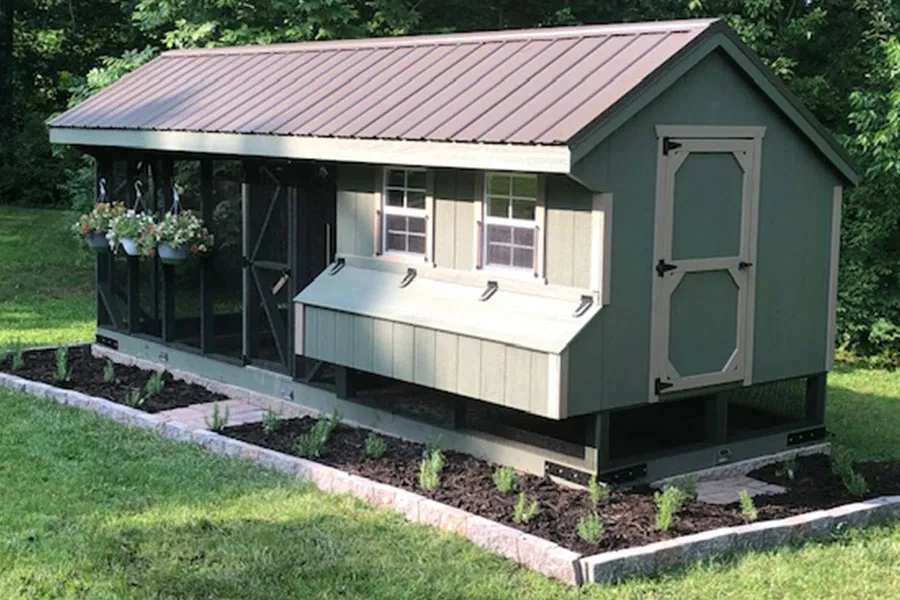
Why Predator Proofing is Crucial for Your Chickens
Raising chickens can be a rewarding experience, providing fresh eggs and companionship. However, the safety of your flock should be a top priority. Protecting your chickens from predators is not just about preventing loss, it’s about ensuring their well-being and your peace of mind. Predators are a constant threat, and a poorly constructed coop can quickly become an invitation for disaster. A predator proof chicken coop is an investment in your chickens’ health and longevity, safeguarding them from the numerous dangers lurking outside their secure haven. Neglecting this aspect can lead to heartbreak and financial loss, underscoring the importance of robust predator protection measures.
Common Chicken Predators
Understanding the types of predators in your area is the first step in effective protection. The list of potential threats is extensive and varies geographically, but common culprits include foxes, raccoons, coyotes, hawks, owls, dogs, and even rats. Foxes are cunning and often attack at dawn or dusk, while raccoons are notorious for their intelligence and ability to manipulate latches. Coyotes pose a significant threat, especially in rural areas, while birds of prey like hawks and owls can swoop down and snatch chickens from above. Dogs, both domestic and feral, are also a considerable risk, and even smaller animals like rats and weasels can cause significant damage. Identifying the specific predators in your location allows you to tailor your coop design and security measures to address the most likely threats.
How Predators Attack Chickens

Predators employ various methods to gain access to your chickens, so understanding these tactics is crucial for effective defense. They may try to dig under the coop, chew through wood or wire, or exploit any weak points in the structure. Raccoons are particularly adept at opening latches and doors, while birds of prey will target chickens from above. Some predators may try to squeeze through openings or tear away at weak sections of the coop. Knowing these attack strategies helps you identify vulnerable areas and implement preventative measures. Regular inspections of your coop and run are essential to spot any potential entry points before a predator can exploit them.
Top 5 Tips for a Predator Proof Chicken Coop
Tip 1 Secure the Coop Structure
The foundation of a predator proof chicken coop lies in its solid structure. The materials used must be durable and resistant to attack. This includes using strong wood, metal, and robust hardware. Avoid flimsy materials that can be easily breached by determined predators. Regularly inspect the coop for signs of wear and tear, and make any necessary repairs promptly. A well-built coop is the first line of defense against predators, and its construction will significantly impact the safety of your flock.
Use Heavy Duty Materials

Choose materials that are known for their strength and resistance to damage. Pressure-treated lumber is a good choice for the coop frame, as it is resistant to rot and insect infestation. Use heavy-gauge hardware cloth instead of chicken wire for the walls and run, as it is much more difficult for predators to tear through. Ensure that all joints and connections are secure, using screws and bolts rather than nails where possible. Avoid any materials that are prone to splintering or breaking easily. The sturdier the materials, the more secure your coop will be.
Reinforce the Coop’s Foundation
Predators often try to dig under the coop to gain access. To prevent this, extend the walls of the coop below ground level, burying the hardware cloth at least 12 inches deep. Alternatively, you can create an “apron” of hardware cloth that extends outwards from the base of the coop, buried several inches underground. This apron prevents predators from digging under the walls. Concrete footings can also be used to create a solid barrier against digging predators. Consider the soil type in your area; loose, sandy soil may require deeper burial or more robust reinforcement.
Tip 2 Fortify the Run
The chicken run is an equally important part of your predator proofing strategy. It provides your chickens with a safe outdoor space. A well-designed run prevents predators from entering, even when your chickens are enjoying the open air. The run should be constructed with the same level of care and attention as the coop itself, and be just as secure.
Use Hardware Cloth Not Chicken Wire

As mentioned earlier, hardware cloth is the superior choice for the run. Chicken wire is relatively weak and can be easily torn or chewed through by predators. Hardware cloth, with its smaller mesh and thicker gauge, is much more resistant to attacks. Make sure the hardware cloth is securely attached to the frame of the run with staples or screws that cannot be easily removed. Overlap the edges of the hardware cloth to eliminate potential gaps.
Bury Hardware Cloth Along the Perimeter
Digging is a common predator tactic, so it’s crucial to prevent animals from burrowing under the run. Bury the hardware cloth along the perimeter of the run, extending it at least 12 inches underground. This creates an underground barrier that prevents predators from digging underneath. Ensure the buried hardware cloth is securely fastened and that there are no gaps. You can also create an L-shaped barrier, with the hardware cloth extending outwards from the base of the run, to further deter digging predators. The extra effort of burying the hardware cloth will significantly increase the security of your run.
Tip 3 Secure Entry Points
Entry points are where predators will focus their efforts. Ensuring all potential access points are secure is essential. This includes windows, vents, doors, and any other openings in the coop. Regular inspection and maintenance of these areas will help to keep your chickens safe. Pay close attention to the hardware, and replace any damaged or weak components.
Windows and Ventilation

Cover all windows and ventilation openings with hardware cloth. Ensure that the mesh is securely attached to the frame of the opening and that there are no gaps. The mesh should be fine enough to prevent predators from entering but allow for sufficient airflow. Regularly inspect the mesh for any damage and repair or replace it as needed. Proper ventilation is essential for the health of your chickens, but it should not come at the expense of security.
Doors and Latches
Doors and latches are a common point of weakness. Use sturdy doors made of solid materials. Install robust latches that are difficult for predators to manipulate. Consider using multiple latches or a locking system. Ensure the doors fit snugly in their frames and that there are no gaps that predators can exploit. Regularly check the latches and doors for wear and tear, and replace any components that show signs of damage. A simple hook-and-eye latch may not be enough; a more secure latch is essential.
Tip 4 Protect from Above
Predators, particularly birds of prey, can attack from above. Implementing overhead protection is a crucial step in ensuring your flock’s safety. This can be achieved through the use of roofs, netting, and other protective measures.
Consider a Roof or Overhead Netting

A solid roof is the most effective way to protect against aerial predators. If a full roof is not feasible, consider installing overhead netting over the run. The netting should be made of a strong, durable material and secured tightly to prevent predators from entering. The netting should be taut to prevent it from sagging and creating pockets where predators can become entangled. Regularly inspect the roof or netting for any damage, and make sure it’s securely attached.
Trim Overhanging Branches
Overhanging branches can provide a perch for predators, making it easier for them to access the coop. Trim any branches that overhang the coop or run to eliminate these potential entry points. Keep the area around the coop clear of any objects that could provide cover for predators. Creating an open space around the coop helps to increase visibility and reduces the chances of predators approaching undetected.
Tip 5 Implement Deterrents
In addition to physical barriers, deterrents can help to discourage predators. These methods can range from motion-activated lights to guard animals. Implementing a combination of deterrents can create a more secure environment for your chickens.
Motion Activated Lights
Motion-activated lights can startle predators and deter them from approaching the coop. Install lights around the perimeter of the coop and run, ensuring they provide adequate coverage. Choose lights that are bright enough to deter predators but don’t create excessive light pollution. The sudden burst of light can disrupt their hunting strategies and encourage them to move on.
Guard Animals
Certain breeds of dogs, such as Great Pyrenees or Anatolian Shepherds, are excellent guard animals. They are bred to protect livestock and will alert you to any potential threats. Other guard animals, such as llamas or donkeys, can also be effective. Ensure that your guard animal is properly trained and socialized. A guard animal is a significant commitment, but can provide an effective layer of protection for your flock. If you choose to use a guard animal, be sure to take the time to research breeds and training needs.
Maintaining and Regularly Inspecting Your Coop
Building a predator proof chicken coop is just the first step. Regular maintenance and inspection are crucial to ensure its continued effectiveness. This includes inspecting the coop and run regularly for any signs of damage, wear, or potential entry points. Promptly repair any damage and address any weaknesses you identify. The more you maintain your coop and run, the less likely your chickens are to become a target of predators. Proactive care helps keep your chickens safe and secure, giving you peace of mind.
Creating a predator proof chicken coop is an ongoing process. Your chickens’ safety depends on vigilance and consistently implementing these tips. By investing the time and effort into predator proofing your coop, you can significantly reduce the risk of attacks and provide your chickens with a safe and secure environment. Remember, prevention is always better than cure when it comes to protecting your flock from predators.