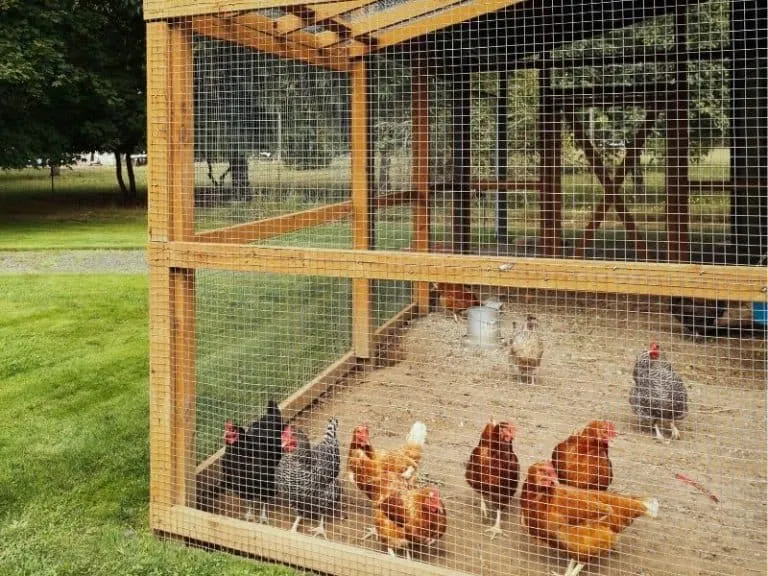
Protecting your chickens from predators is a crucial aspect of backyard poultry keeping. A well-constructed and predator-proof chicken coop ensures the safety and well-being of your flock. Predators can range from small rodents to larger mammals and birds of prey, all of which can pose a significant threat to your chickens. This article provides you with the top 5 tips to effectively predator-proof your chicken coop, ensuring your feathered friends are safe and sound.
Understanding Chicken Coop Predators
Before implementing any predator-proofing measures, it’s essential to understand the types of predators that might be lurking in your area. Different regions face different threats, so recognizing the potential dangers is the first step in effective protection. This knowledge will help you tailor your defense strategies to the specific predators you need to guard against.
Common Chicken Coop Predators
Several predators commonly target chicken coops. These include foxes, coyotes, raccoons, opossums, weasels, hawks, owls, and even domestic dogs and cats. Each predator has its methods of attack, whether digging under fences, squeezing through small openings, or swooping down from above. Understanding their behaviors will help you design effective deterrents.
Identifying Predator Threats in Your Area

Identifying the specific predators in your area is key to effective protection. Look for signs of predator activity such as tracks, scat, or disturbed areas around your coop. Inquire with your neighbors about local predator sightings. Consider setting up trail cameras to monitor activity, especially at night. Knowing your enemy allows you to focus your efforts on the most likely threats.
Top 5 Tips for Predator Proofing Your Chicken Coop
Once you understand the potential threats, you can implement strategies to keep your chickens safe. The following tips will significantly reduce the risk of predator attacks and create a secure environment for your flock.
Tip 1 Bury Hardware Cloth
One of the most effective ways to prevent predators from digging under your coop is to bury hardware cloth. Many predators, like foxes and coyotes, will attempt to dig under fences or walls to access the chickens. Burying hardware cloth extends outward from the coop walls, creating an underground barrier that thwarts digging attempts. This is one of the most important steps in coop security. (Image chicken-coop-predator-proofing-overview.webp)
How to Bury Hardware Cloth Properly

To bury hardware cloth, dig a trench around the perimeter of your coop, extending at least 12 inches deep and 12-24 inches outward from the coop walls. Attach the hardware cloth to the coop walls, extending it into the trench. Then, bury the hardware cloth, ensuring it’s flush with the ground surface. This prevents predators from digging under or pulling up the barrier. Cover the buried hardware cloth with soil, grass, or gravel to blend it in. (Image burying-hardware-cloth.webp)
Tip 2 Secure the Coop’s Perimeter
Reinforcing the perimeter of your coop involves more than just burying hardware cloth. Ensure your fencing is sturdy and tightly secured. Use hardware cloth or welded wire mesh with small openings, so predators can’t squeeze through. Avoid using chicken wire, which is easily torn or chewed through. The perimeter should be constructed to withstand the efforts of digging, climbing, and chewing predators. (Image securing-chicken-coop-perimeter.webp)
Methods to Secure the Perimeter
Consider extending the fence inward at the top (an “L” shape) to prevent climbing predators like raccoons. Regularly inspect your fencing for any gaps or weaknesses. Ensure gates are securely latched and cannot be easily pried open. Consider using a double-latch system for extra security. Check the fence regularly for any signs of digging or attempted breach. Use heavy-duty staples or screws when attaching the wire mesh to the frame. (Image common-chicken-coop-predators.webp)
Tip 3 Reinforce the Roof

Predators like birds of prey, and sometimes even raccoons, may try to access your chickens from above. A secure roof is essential for protecting your flock. Ensure your roof is made of strong, durable materials that cannot be easily breached. Check for any gaps or openings that a predator could exploit. (Image reinforcing-chicken-coop-roof.webp)
Materials for Reinforcing the Roof
Use sturdy roofing materials, such as corrugated metal, solid wood, or heavy-duty wire mesh. Make sure that the material is securely attached to the coop’s frame. Regularly inspect the roof for any damage or weakness, especially after severe weather. Trim any overhanging branches that could provide a climbing path for predators. Ensure that the roof is properly sealed to prevent water damage and deter predators.
Tip 4 Fortify Doors and Windows
Doors and windows are often vulnerable points in a chicken coop. Predators can force their way through flimsy doors or chew through wooden frames. Reinforce these openings with strong materials and secure latches. Ensure any windows are covered with hardware cloth to prevent entry. (Image fortifying-chicken-coop-doors-windows.webp)
Best Practices for Door and Window Security

Use sturdy door frames and install heavy-duty latches that cannot be easily opened by predators. Consider using a double-latch system for added security. Reinforce windows with hardware cloth, ensuring it is securely attached to the frame. Regularly inspect doors and windows for any signs of wear or damage. Consider a metal-clad door, which is more resistant to chewing or breaking than a wooden door. Check and tighten the hinges regularly.
Tip 5 Consider an Automatic Coop Door
An automatic coop door provides an extra layer of security, especially for busy chicken keepers. These doors open and close automatically based on a timer or light sensor, ensuring your chickens are safely locked up at night and let out in the morning. (Image automatic-chicken-coop-door.webp)
Benefits of Automatic Coop Doors
Automatic coop doors offer convenience and peace of mind. They eliminate the need to manually open and close the coop door every day. They provide consistent security, even if you are away from home. Many models include safety features, such as sensors to prevent the door from closing on a chicken. When choosing an automatic door, select a model made from durable materials and that is resistant to tampering.
Additional Predator Deterrents

Beyond the core tips, several other deterrents can enhance your coop’s security. These methods can be used in conjunction with the main strategies to create a multi-layered defense.
Using Motion-Activated Lights
Motion-activated lights can deter nocturnal predators by suddenly illuminating the area around the coop. The sudden burst of light can scare away many predators. Position lights strategically to cover potential entry points. Regularly check the lights and replace batteries or bulbs as needed.
Guardian Animals for Chicken Coops
Certain animals can serve as guardians for your flock. Dogs, especially breeds known for protecting livestock, can deter predators with their presence and barking. Llamas and donkeys are also effective guardians. Always consider the specific needs and behaviors of the guardian animal and ensure it is compatible with your chickens.
Maintaining a Predator-Proof Chicken Coop

Predator-proofing is an ongoing process, not a one-time fix. Regular maintenance and inspections are critical to ensuring your coop remains secure. This consistent care will help you prevent problems before they arise and provide the best protection for your flock.
Regular Inspections and Maintenance
Regularly inspect your coop for any signs of wear, damage, or potential vulnerabilities. Check fences, doors, windows, and the roof for any weaknesses. Address any issues promptly. Perform routine maintenance, such as tightening screws, replacing worn parts, and trimming vegetation that might provide cover for predators. (Image chicken-coop-inspection.webp)
Signs of Predator Activity
Be vigilant for signs of predator activity. These include missing chickens, feathers scattered around the coop, digging near the coop, or unusual tracks. If you suspect predator activity, take immediate action to reinforce your defenses and identify the predator. If you notice signs of distress or changes in your chicken’s behavior, investigate the situation. Consider adding additional security measures to your coop.
Predator-proofing your chicken coop is an investment in the safety and well-being of your flock. By implementing these top 5 tips and maintaining a proactive approach, you can significantly reduce the risk of predator attacks and enjoy the rewards of raising happy, healthy chickens.