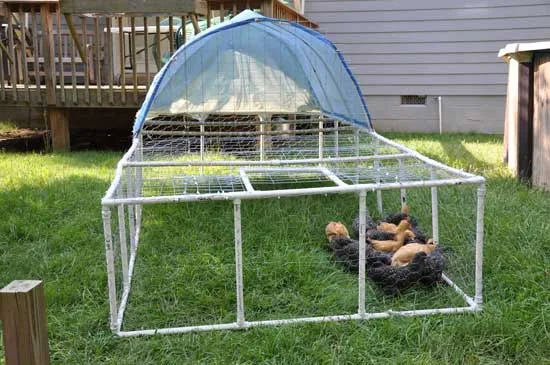
PVC Chicken Coop Guide Top 5 Benefits
Raising chickens in your backyard can be a rewarding experience, providing fresh eggs and a connection to nature. A PVC chicken coop offers a modern, efficient, and often more sustainable alternative to traditional wooden coops. This guide explores the top 5 benefits of choosing a PVC chicken coop, helping you make an informed decision for your flock. From durability to ease of maintenance, PVC coops offer numerous advantages that make them a popular choice among chicken keepers. Let’s delve into the details of why a PVC chicken coop could be the perfect solution for your backyard chickens.
Durability and Longevity
One of the most significant advantages of a PVC chicken coop is its exceptional durability and longevity. Unlike wooden coops, which are susceptible to rot, decay, and insect infestations, PVC (polyvinyl chloride) is a highly durable plastic material designed to withstand the elements. PVC is waterproof, making it resistant to rain, snow, and humidity, which can significantly extend the lifespan of your coop. This resistance to environmental factors ensures that your chicken coop remains structurally sound for many years, saving you time and money on frequent repairs or replacements. The robustness of PVC makes it an excellent investment for any chicken keeper looking for a long-lasting solution.
Resistance to Weather and Pests

PVC chicken coops offer superior resistance to weather and pests. The non-porous nature of PVC prevents water from seeping into the material, which eliminates the risk of rot and mold growth. This characteristic is particularly beneficial in regions with high rainfall or humidity. Additionally, PVC is naturally resistant to pests like termites, rodents, and other insects that can damage wooden coops. This pest resistance not only preserves the coop’s structural integrity but also helps to maintain a healthier environment for your chickens. The combination of weather and pest resistance makes PVC coops a reliable and low-maintenance option for protecting your flock from external threats.
Low Maintenance Requirements
Compared to wooden coops, PVC chicken coops require significantly less maintenance. PVC surfaces are easy to clean and do not need painting, staining, or sealing, which are essential maintenance tasks for wooden coops. Simply washing the coop with soap and water is usually sufficient to keep it clean and sanitary. This low-maintenance aspect saves time and effort, allowing you to focus on caring for your chickens rather than spending hours on upkeep. The smooth surface of PVC also prevents the accumulation of dirt and grime, making cleaning even easier. The minimal maintenance requirements of a PVC chicken coop make it an attractive option for busy chicken keepers.
Easy to Clean and Sanitize
Maintaining a clean and sanitary environment is crucial for the health and well-being of your chickens. PVC chicken coops excel in this area, offering unparalleled ease of cleaning and sanitization. The smooth, non-porous surface of PVC prevents the absorption of waste and makes it easy to wipe down and disinfect the coop. Unlike wood, which can absorb odors and bacteria, PVC does not harbor germs, making it simpler to maintain a hygienic environment. Regular cleaning with a mild detergent and water is often enough to keep the coop spotless. This ease of cleaning contributes to a healthier living space for your chickens, reducing the risk of disease and promoting overall well-being.
Cost-Effectiveness and Affordability

While the initial cost of a PVC chicken coop may be slightly higher than some basic wooden coops, the long-term cost-effectiveness of PVC often makes it a more economical choice. The durability and low-maintenance nature of PVC coops mean they last much longer than their wooden counterparts, reducing the need for costly repairs or replacements. The savings in maintenance costs, such as the elimination of painting and staining, also contribute to the overall affordability of a PVC coop. When considering the lifetime value and reduced upkeep expenses, PVC chicken coops often represent a smart and cost-effective investment for chicken keepers.
Choosing the Right PVC Chicken Coop
Selecting the right PVC chicken coop involves careful consideration of several factors to ensure it meets the specific needs of your flock and your backyard environment. Proper planning and research will help you find a coop that provides a safe, comfortable, and functional home for your chickens. From size and ventilation to security features, the following sections provide essential guidance on choosing the perfect PVC chicken coop for your needs.
Size and Capacity Considerations
The size and capacity of your PVC chicken coop are crucial for the health and happiness of your chickens. Overcrowding can lead to stress, disease, and reduced egg production. As a general guideline, provide at least 4 square feet of space per chicken inside the coop and 8-10 square feet in the run. Consider the breed of chickens you plan to raise, as larger breeds will require more space. When choosing a coop, ensure it has adequate space for roosting bars, nesting boxes, and areas for feeding and watering. Taking the time to accurately estimate the number of chickens you plan to keep will help you select a coop that provides ample room and promotes the well-being of your flock.
Ventilation and Airflow Importance

Proper ventilation is essential for maintaining a healthy environment within your PVC chicken coop. Good airflow prevents the buildup of ammonia, moisture, and heat, which can lead to respiratory problems and other health issues for your chickens. When selecting a PVC coop, look for models with strategically placed vents, such as vents near the roofline and lower walls. These vents should be designed to allow fresh air to circulate while preventing drafts and protecting the chickens from the elements. Adequate ventilation helps regulate the coop’s temperature, reduces humidity, and minimizes odors, contributing to a cleaner and more comfortable living space for your birds. Ensure the coop’s design includes features that facilitate optimal airflow for overall flock health.
Security Features to Protect Chickens
Protecting your chickens from predators is a top priority. When selecting a PVC chicken coop, pay close attention to its security features. Look for features such as sturdy latches, secure door hinges, and predator-resistant hardware. Ensure the coop’s wire mesh is strong and has small openings to prevent predators from entering. Burying the wire mesh around the perimeter of the coop can also deter digging predators. Consider coops with features like automatic door openers and closers for added security. These measures will help safeguard your chickens from foxes, raccoons, and other potential threats, providing peace of mind and ensuring the safety of your flock. Always prioritize security features to protect your chickens.
PVC Coop Materials and Construction
Understanding the materials and construction of a PVC chicken coop will help you choose a high-quality product that meets your needs. PVC coops are typically constructed using PVC pipes and fittings, which are known for their durability and weather resistance. The selection of materials and the assembly techniques significantly influence the coop’s overall strength and longevity. This section provides an overview of essential aspects of PVC coop construction, helping you make an informed choice.
PVC Pipes and Fittings Selection

The quality of PVC pipes and fittings plays a crucial role in the durability and stability of your chicken coop. When selecting materials, opt for schedule 40 PVC pipes, which are thicker and more durable than schedule 20 pipes. Ensure that the fittings, such as elbows, tees, and connectors, are also made of high-quality PVC and fit snugly to create a watertight seal. The pipes should be free from cracks or imperfections, and the fittings should be designed to withstand the forces of wind and weather. Considering the selection of the materials is crucial to make a coop that will last.
Assembly Techniques and Best Practices
Proper assembly techniques are essential for building a sturdy and reliable PVC chicken coop. Begin by carefully following the manufacturer’s instructions, ensuring all parts are correctly aligned and secured. Use PVC-specific cement to create strong and watertight joints between the pipes and fittings. Allow the cement to dry completely before proceeding to the next step. Reinforce the joints with screws or other fasteners for added stability, especially in areas that may be exposed to strong winds. A well-constructed PVC chicken coop should be solid and stable, capable of withstanding the elements and providing a safe home for your chickens. Following best practices during assembly is key to ensure the structural integrity and longevity of your coop.
Enhancing Your PVC Chicken Coop
Customizing and enhancing your PVC chicken coop can significantly improve the comfort and functionality of your chickens’ living space. Adding features such as roosts, nesting boxes, and a run allows you to tailor the coop to meet the specific needs of your flock. These enhancements not only improve the quality of life for your chickens but also make it easier for you to manage and care for them. In this section, we’ll explore some of the most popular and beneficial enhancements you can incorporate into your PVC chicken coop.
Adding Roosts and Nesting Boxes

Providing roosts and nesting boxes is essential for the well-being of your chickens. Roosts allow chickens to perch comfortably at night, promoting relaxation and reducing stress. Place the roosts at a height suitable for your chickens, ensuring they can easily access them. Nesting boxes provide a secure and private space for hens to lay their eggs. Choose nesting boxes that are the appropriate size for your chicken breed and line them with soft, clean bedding material, such as straw or wood shavings. Adding these essential elements to your PVC chicken coop will enhance the comfort and productivity of your chickens.
Incorporating a Run for Exercise
A chicken run is an enclosed outdoor space that allows your chickens to exercise, forage, and enjoy fresh air while being protected from predators. Integrating a run with your PVC chicken coop is an excellent way to enhance their quality of life. Design the run with sturdy wire mesh walls, secure doors, and a roof to prevent predators from entering. Consider providing shade and shelter within the run, such as a covered area or a few bushes. Ensuring that your chickens have access to a safe and secure outdoor space, along with the coop, is very important.
Maintaining Your PVC Chicken Coop
Proper maintenance is key to extending the lifespan of your PVC chicken coop and ensuring a healthy environment for your chickens. Regular cleaning and inspections are essential to prevent the buildup of waste, control pests, and identify any potential issues before they escalate. In this section, we’ll discuss the best practices for maintaining your PVC chicken coop, helping you keep it in top condition for years to come.
Regular Cleaning and Sanitation

Regular cleaning and sanitation are critical for maintaining a healthy environment in your PVC chicken coop. Remove droppings, soiled bedding, and any spilled food or water daily. At least once a week, thoroughly clean the coop by removing all bedding, scrubbing the interior surfaces with a mild detergent and water, and rinsing thoroughly. Allow the coop to dry completely before adding fresh bedding. Consider using a poultry-safe disinfectant to sanitize the coop regularly, which helps to control bacteria and prevent disease. Proper cleaning and sanitation practices are crucial for the health and well-being of your chickens, creating a clean living space.
Inspecting and Repairing Damage
Regularly inspect your PVC chicken coop for any signs of damage or wear and tear. Check for cracks in the PVC pipes, loose fittings, or any other structural issues. Inspect the wire mesh and latches for any damage that could compromise security. Address any problems promptly to prevent them from worsening. Minor repairs, such as tightening screws or replacing damaged hardware, can often be handled quickly and easily. Regularly inspecting and repairing your PVC chicken coop will help you maintain a safe and secure home for your chickens and prolong its lifespan.
Top 5 Benefits Recap
In summary, the benefits of choosing a PVC chicken coop are numerous, making it an excellent investment for any backyard chicken keeper. The top 5 benefits include durability and longevity, resistance to weather and pests, low maintenance requirements, ease of cleaning and sanitization, and cost-effectiveness. By selecting a PVC chicken coop, you can ensure a safe, comfortable, and long-lasting home for your chickens. With proper care and maintenance, your PVC chicken coop will provide you with years of fresh eggs and enjoyment.