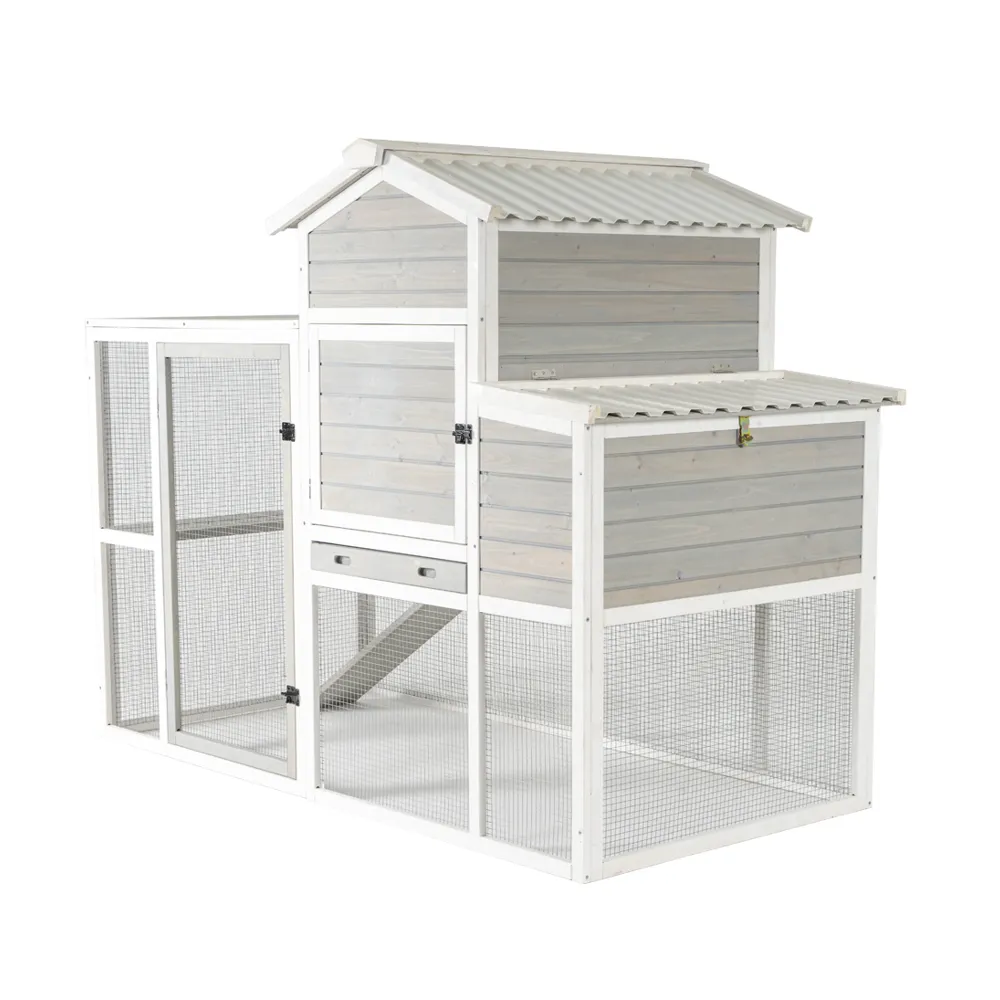
What to Look for in a Chicken Coop
Choosing the right chicken coop is a crucial step in providing a safe and comfortable home for your flock. Before you even start browsing the options at Rural King, it’s important to understand the key features that make a good coop. This involves thinking about your chickens’ needs, from the number of birds you plan to keep to the local climate and potential predators in your area. The ideal coop will offer protection from the elements, ample space for roosting and nesting, and easy access for both you and your chickens. Beyond the basic shelter, consider the long-term maintenance and ease of cleaning, as these factors will significantly impact your overall experience of keeping chickens. Taking the time to assess these factors will help you make an informed decision and ensure your chickens thrive.
Size and Capacity Requirements
One of the most critical considerations when choosing a chicken coop is its size. Overcrowding can lead to stress, pecking order issues, and increased susceptibility to diseases within your flock. As a general guideline, provide at least 4 square feet of space per chicken inside the coop for roosting and sleeping, and at least 8-10 square feet per chicken in the run area if it’s attached. This allows enough room for the chickens to move around, forage, and avoid each other if they choose. Consider the breed of chickens you plan to raise, as larger breeds will naturally require more space than smaller bantams. When evaluating coops at Rural King, carefully review the specifications and recommended capacity to ensure it aligns with your flock size and future plans. Think about how your flock might grow; it’s better to have a little extra space than to be cramped.
Materials and Durability

The materials used in a chicken coop significantly impact its durability, longevity, and overall protection for your chickens. Coops made from cedar or pressure-treated wood are popular choices due to their resistance to rot, pests, and weather damage. Consider the climate in your area; coops need to withstand rain, snow, and intense sunlight. Make sure that the materials of the coop are non-toxic and safe for your chickens. Look for features such as sturdy construction, secure latches, and a solid roof to protect against predators and the elements. Proper material selection ensures that your coop will withstand the test of time, saving you money and reducing the need for frequent replacements. Remember that the quality of the materials will dictate the overall value of your investment in a chicken coop.
Ventilation and Lighting
Adequate ventilation and lighting are essential for maintaining a healthy environment inside the chicken coop. Proper ventilation helps to remove ammonia, moisture, and stale air, which can contribute to respiratory problems and other health issues for your chickens. Look for coops with vents or windows that allow for good airflow. These should be positioned to prevent drafts from directly hitting the roosting chickens, while still promoting fresh air circulation. Lighting is equally important. Chickens need a certain amount of daylight to lay eggs, and insufficient light can impact their productivity. Many coops incorporate windows to provide natural light. During the shorter days of winter, you might need to supplement with artificial lighting, but make sure to follow safety guidelines for electrical fixtures inside the coop to prevent fires. A well-ventilated and well-lit coop creates a healthy and productive living space.
Predator Protection
Protecting your chickens from predators is a paramount concern for any chicken keeper. Predators can range from foxes and raccoons to hawks and even neighborhood dogs. A secure coop should have features designed to deter these threats. This includes sturdy construction with secure latches, predator-proof wire mesh on windows and vents, and a solid bottom to prevent digging predators from entering. Burying wire mesh around the perimeter of the coop can be a helpful preventative measure. Regularly inspect the coop for any signs of damage or potential entry points. Considering your location, identify the common predators in your area and choose a coop with features specifically designed to counter those threats. Predator-proofing your coop offers peace of mind and keeps your chickens safe.
Rural King Chicken Coops Top 5 Picks

Coop #1 Feature and Benefits
This coop, available at Rural King, excels in its sturdy construction, offering excellent protection against predators thanks to its reinforced wire mesh and secure locking mechanisms. It’s constructed from pressure-treated wood, which is resistant to rot and weathering, thereby ensuring longevity. The design includes ample ventilation and well-placed windows to maintain air circulation and natural lighting. The coop is easily assembled and offers a roomy interior, comfortably housing a small to medium-sized flock. Its integrated nesting boxes and roosting bars add convenience for both the chickens and the keeper, simplifying egg collection and nighttime routines. The coop’s elevated design keeps it away from moisture, improving hygiene and overall chicken health.
Coop #2 Feature and Benefits
Coop number two offers a balance of affordability and functionality. It features a modular design that simplifies assembly, making it an excellent choice for beginners. The coop is constructed from durable, weather-resistant materials, and it incorporates a spacious run area, allowing chickens to roam freely. Its design also prioritizes ventilation and lighting, ensuring a healthy and comfortable environment for the chickens. Integrated nesting boxes and easy-access doors for cleaning and maintenance make this coop a convenient option for busy chicken keepers. The coop’s compact footprint allows it to fit in smaller yards while still accommodating a decent-sized flock. Furthermore, this coop is often available at a competitive price point, making it an economical choice without sacrificing essential features.
Coop #3 Feature and Benefits

This coop is designed with an emphasis on aesthetic appeal, without compromising on functionality. Constructed from attractive and durable materials, it enhances the beauty of any backyard setting. It boasts a well-ventilated design, featuring strategically placed vents and windows that provide excellent airflow and natural lighting. The coop provides a safe and secure environment, equipped with predator-resistant features. The coop is equipped with user-friendly features like easy-access cleaning trays and nesting boxes to make maintenance simpler. Despite its stylish appearance, the coop maintains the key aspects of practical chicken keeping, offering a blend of beauty and functionality, which is especially attractive to those who are looking to incorporate a chicken coop in a visually appealing manner.
Coop #4 Feature and Benefits
Coop number four is the premium option, designed for the serious chicken keeper. It is built with heavy-duty materials for maximum durability and long-term use. The coop typically features a large, enclosed run area, and it’s designed to comfortably accommodate a larger flock. It includes advanced features like automated door systems and smart ventilation controls to simplify management and optimize the chickens’ environment. Furthermore, the coop’s construction incorporates superior insulation, making it suitable for all climates. The coop’s design often prioritizes ease of cleaning and maintenance, with features such as removable trays and easy-access points. This coop offers a comprehensive and high-quality solution for those who prioritize the welfare of their flock and seek maximum convenience in their chicken-keeping endeavors.
Coop #5 Feature and Benefits
This coop provides an ideal solution for those with limited space. It’s cleverly designed to maximize functionality within a smaller footprint, making it suitable for urban and suburban settings. Despite its compact size, the coop has enough space for a small flock. Constructed from durable and weather-resistant materials, it ensures the safety of the chickens. This coop often includes essential features such as predator-resistant construction, integrated nesting boxes, and roosting bars, ensuring a comfortable and secure home for your chickens. The coop is also easy to assemble and maintain, making it a user-friendly option. If space is a constraint, this coop offers a great balance of practicality and usability, allowing anyone to enjoy the benefits of fresh eggs and backyard chicken keeping, regardless of the size of their yard.
Additional Considerations Before Buying

Before finalizing your purchase, there are a few additional factors to consider. Think about the climate you live in. Does the coop offer enough protection from extreme heat, cold, wind, or rain? Consider the local regulations regarding chicken keeping in your area, as there may be restrictions on coop size, placement, or the number of chickens you can own. Also, budget plays a significant role. Coops vary widely in price, so determine how much you’re willing to spend. Factor in the cost of bedding, feed, and other supplies. Reading reviews from other customers can provide valuable insights into the coop’s ease of assembly, durability, and overall performance. By addressing these additional considerations, you can make a well-informed decision and select a chicken coop that perfectly suits your individual needs and circumstances.
Assembly and Setup
The assembly and setup process can vary significantly between different chicken coops. Before you begin, carefully review the instructions provided by the manufacturer. Some coops are designed for quick and easy assembly, while others may require more time and tools. Having a second person to help can simplify the process. Before you start assembling, sort all the components and check that you have everything you need. Prepare the ground where the coop will be placed; it should be level and stable. Use a level to ensure the coop is properly aligned. Once the coop is assembled, carefully attach any hardware and secure all the doors and latches. Finally, place the coop in a location that offers some shade and protection from the elements. The time you spend on assembly will be well worth it, providing a safe and secure home for your flock. Consider adding additional protection for the run area such as a cover, if your area is exposed to the sun.
Maintenance and Cleaning
Regular maintenance and cleaning are essential for keeping your chicken coop in good condition and ensuring the health of your chickens. Start by cleaning the coop regularly. Remove soiled bedding, droppings, and any spilled feed. The frequency of cleaning will depend on the size of your flock and the type of coop, but it’s generally recommended to clean it at least once a week. Wash the coop with a mild soap and water solution, paying attention to the nesting boxes and roosting bars. Make sure the coop is completely dry before adding fresh bedding, such as straw, wood shavings, or hay. Periodically inspect the coop for any signs of wear and tear, such as cracks or damage. Make any necessary repairs promptly to prevent predator intrusion and ensure the coop’s structural integrity. Properly maintained coop helps keep your chickens healthy and productive.