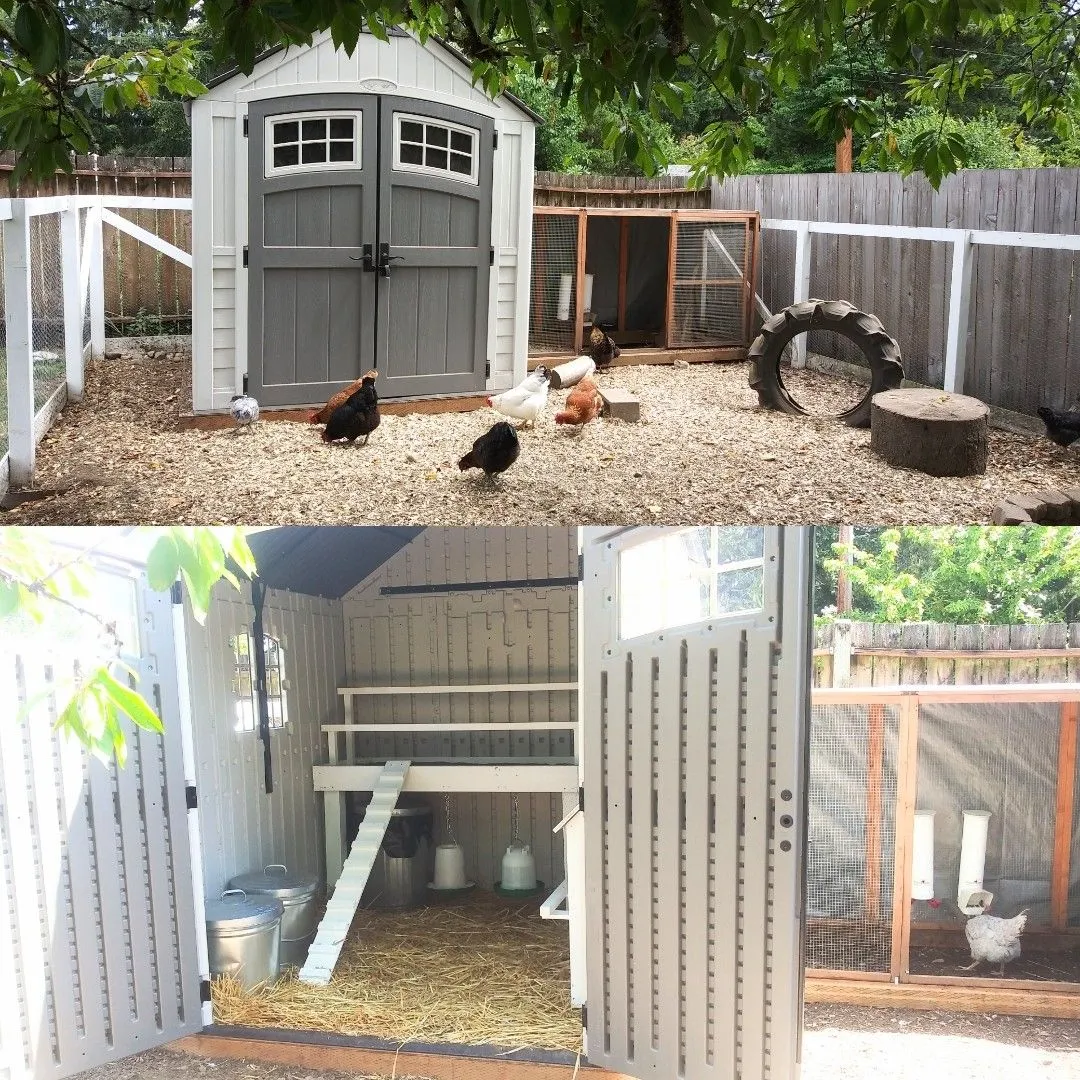
Choosing the Right Shed Chicken Coop
Building or buying a shed chicken coop is a rewarding experience, offering fresh eggs and the joy of raising chickens. However, success hinges on making informed decisions from the outset. Understanding the essential elements will help you create a safe, comfortable, and functional home for your flock. This guide provides 101 essential tips, ensuring you’re well-prepared to start your chicken-keeping journey. Whether you are starting from scratch or upgrading your existing setup, this detailed guide covers everything from coop design and breed selection to legal considerations and ongoing maintenance. It is important to design your coop with chickens needs in mind. This includes protection from predators and elements while also ensuring your own needs, as the chicken owner, are met. Consider your local climate and the size of your flock.
Size Considerations for Your Coop
One of the most critical decisions is determining the appropriate size of your shed chicken coop. A coop that is too small can lead to overcrowding, stress, and health problems for your chickens. Conversely, a coop that is too large may be difficult to heat in the winter and maintain efficiently. The ideal size balances the needs of your chickens with your ability to manage and maintain the coop. It is crucial to provide adequate space for each bird, allowing them to move around comfortably, roost, and access essential resources like food and water. Consider the breed of chickens you plan to keep, as larger breeds require more space than smaller ones. The number of chickens you intend to raise will also dictate the overall dimensions of your coop.
Factors Influencing Coop Size

Several factors influence the ideal size of your shed chicken coop. The breed of chicken, their mature size, and their activity level are all key considerations. Larger breeds like Brahmas or Orpingtons require more space than smaller breeds such as Bantams. Your local climate also plays a role; in colder climates, you may want a slightly smaller, more insulated coop to retain heat, while in warmer climates, a larger coop with ample ventilation is often preferable. Consider also the local climate when designing the coop. The overall layout and available space in your backyard will also influence your design. Consider a coop that is aesthetically pleasing and blends well with your existing landscaping.
Space Requirements per Chicken
A general guideline for space requirements is to provide at least 4 square feet of floor space per chicken inside the coop. For the outdoor run, aim for a minimum of 8-10 square feet per bird. These are minimum recommendations; more space is always better, especially if you plan to keep chickens indoors for extended periods or live in a climate with severe weather conditions. Ensure your coop offers enough space for chickens to move freely, roost comfortably, and avoid overcrowding, which can lead to stress, disease, and behavioral problems. Always consider the chickens’ welfare when determining the final size and design of your coop, keeping in mind potential expansion plans.
Location, Location, Location
The location of your shed chicken coop is as critical as its size. The perfect spot will maximize sunlight, provide shade, protect against the elements, and offer security. Selecting the right location is important for the chickens’ health and happiness and your convenience in maintaining the coop. A well-placed coop simplifies daily chores like feeding, watering, and cleaning. Consider several factors when determining the optimal location in your yard. Think about the terrain, proximity to your house, and any existing structures that may affect the coop’s placement. Proper planning will save you time, effort, and prevent potential problems in the future.
Sunlight and Shade

Chickens need both sunlight and shade. Choose a location that receives ample sunlight for warmth and vitamin D production, especially during the colder months. However, ensure that the coop also has shaded areas, such as under trees or a portion of the run covered by a roof, to provide relief from the sun during the hottest parts of the day. Ideally, the coop should face south to maximize sun exposure during winter. The coop design should incorporate features that allow chickens to regulate their body temperature. Consider the daily and seasonal sun patterns in your backyard when making your final decision.
Protection from Elements
Your shed chicken coop should provide robust protection against wind, rain, snow, and extreme temperatures. Position the coop in a location sheltered from prevailing winds and away from areas prone to flooding. The coop’s construction materials should be weather-resistant and well-sealed to prevent drafts and water intrusion. If you live in an area with heavy snowfall, ensure the roof can bear the weight. Proper insulation can also help regulate the coop’s internal temperature, keeping it warmer in winter and cooler in summer. Strategic placement can minimize exposure to the elements and create a comfortable environment for your chickens throughout the year.
Coop Security
Protecting your chickens from predators is a top priority. A secure coop minimizes the risk of loss from predators, such as foxes, raccoons, and hawks. Implementing effective security measures is not just about protecting your flock, it is also about ensuring peace of mind. Predators will be attracted to your chickens, so it is important to make sure the coop is predator-proof. It is important to inspect the coop regularly and make any needed repairs to maintain its integrity. Proper security is essential for the safety and well-being of your flock. It is important to review the area around your shed chicken coop to determine any potential weaknesses.
Predator-Proofing Strategies

Several strategies can enhance your coop’s predator resistance. Burying hardware cloth or wire mesh around the perimeter of the run will prevent digging predators from entering. Use sturdy materials for the coop’s construction and ensure there are no gaps or openings where predators can get in. Cover any openings, such as vents, with secure hardware cloth. Install a heavy-duty latching system on doors and windows. Consider using electric fencing or other deterrents to keep predators away. Secure the coop at night, and never leave your chickens unattended. Implement multiple layers of defense to provide the best possible protection for your flock.
Securing Doors and Windows
Doors and windows are common entry points for predators, so securing them is critical. Use sturdy latches, such as carabiner clips, to prevent predators from opening the doors. Install hardware cloth over windows and vents. Ensure the windows are secured properly so predators cannot push them open. Reinforce the frames with durable materials to prevent them from being broken. Check the doors and windows regularly for any signs of wear or damage. If the latch is broken, fix it immediately. By paying attention to these details, you will significantly enhance the safety of your flock. Implement a multi-layered approach to ensure complete security.
Material Selection for Shed Chicken Coop
Choosing the right materials for your shed chicken coop is vital for its durability, weather resistance, and overall longevity. The materials you select will impact the coop’s ability to withstand the elements, protect your chickens, and maintain its structural integrity. Considering the local climate and your budget will help you make the right choice. Quality materials may require a larger initial investment, but they often pay off in the long run. The materials used should also be safe for chickens. It is essential to select non-toxic materials that won’t leach harmful chemicals into the coop environment.
Wood vs. Other Materials

Wood is a popular choice for shed chicken coops because it is readily available, relatively inexpensive, and easy to work with. However, it requires regular maintenance, such as sealing or painting, to protect it from the elements and prevent rot. Cedar and redwood are naturally rot-resistant woods that are good choices. Other materials, such as metal, plastic, or composite materials, offer different advantages. Metal coops are very durable and predator-resistant, but they can get hot in the sun and cold in the winter. Plastic coops are easy to clean and maintain. Composite materials combine the benefits of wood and plastic. Choose materials that balance your needs with local climate conditions.
Durability and Weather Resistance
Prioritize materials that are durable and weather-resistant. The coop will need to withstand rain, snow, wind, and sun exposure. The roofing material should be waterproof and long-lasting. Select wood that is treated or naturally rot-resistant. Consider using exterior-grade screws and fasteners. Proper sealing and painting can improve the weather resistance of wooden structures. Choosing the right materials will increase the lifespan of your coop and decrease the need for repairs. Think about the impact of the local climate when making your decisions.
Ventilation and Airflow
Proper ventilation and airflow are crucial for the health and well-being of your chickens. Inadequate ventilation leads to a buildup of ammonia from chicken droppings, which can cause respiratory problems. Proper ventilation also helps regulate the coop’s temperature and humidity. Ensure that the coop has adequate airflow without creating drafts that could chill your chickens. Adequate ventilation is essential for preventing diseases and ensuring the health of your flock. Design your coop with ventilation in mind, taking into account the size of the coop, the number of chickens, and the local climate.
Importance of Proper Ventilation

Good ventilation removes moisture, ammonia, and other harmful gases. It regulates the coop’s temperature, preventing overheating in the summer and excessive humidity in the winter. Proper ventilation improves the overall air quality inside the coop, reducing the risk of respiratory diseases. It also helps to keep the coop dry and clean, which minimizes the buildup of bacteria and parasites. Your coop should incorporate features to ensure proper airflow. Without proper ventilation, your chickens could suffer from a variety of health problems, so it should be a top priority.
Preventing Moisture Buildup
Excessive moisture inside the coop can lead to mold and mildew growth, which can negatively impact your chickens’ health. Adequate ventilation helps to remove moisture. Ensure that the coop roof is watertight and that there are no leaks. Use absorbent bedding materials like wood shavings to soak up moisture. Avoid overcrowding, as this can increase humidity levels. Clean the coop regularly and promptly remove any wet or soiled bedding. Regularly check for signs of moisture buildup. By taking proactive steps to manage moisture, you can maintain a healthy environment for your chickens and prevent the growth of harmful microorganisms.
Nesting Boxes and Roosting Bars
Nesting boxes and roosting bars are essential components of a shed chicken coop, providing comfortable spaces for chickens to rest, sleep, and lay eggs. Nesting boxes should be designed to provide a safe and private area for laying eggs. Roosting bars provide a secure place for chickens to sleep at night, away from the ground. Considering the layout and design of these elements will ensure that your chickens have the proper environment for their daily routines. The size and placement of these features should be appropriate for the number and breed of chickens you intend to raise.
Designing Comfortable Nesting Areas

Nesting boxes should be designed to be comfortable, private, and easy to clean. Provide one nesting box for every 3-4 hens. The boxes should be large enough for the chickens to comfortably turn around. Use soft, clean bedding materials, such as straw or wood shavings, to cushion the boxes. Place the boxes in a quiet, shaded area away from the main traffic flow in the coop. Elevate the boxes slightly off the ground. Keep the nesting boxes clean to prevent the build-up of mites or other pests. Clean the boxes regularly to prevent diseases. A well-designed nesting box can significantly increase egg production and reduce the risk of hens laying eggs elsewhere.
Placement of Roosting Bars
Roosting bars should be placed in a sheltered location, away from drafts and direct sunlight. Position them at a comfortable height. Ensure each chicken has enough space to roost without overcrowding. The bars should be made of sturdy, smooth material, such as wood or a rounded dowel. Avoid using rough surfaces that could damage the chickens’ feet. Place the roosting bars away from the nesting boxes to prevent droppings from contaminating the eggs. Clean the roosting bars regularly to prevent the build-up of droppings and parasites. Consider the breed and size of the chickens when choosing the size and placement of the roosting bars.
Feeding and Watering Systems
Providing your chickens with a reliable source of food and water is essential for their health and well-being. The right feeding and watering systems will make it easier to maintain and provide your chickens with their needs. Select the right feeders and waterers that will prevent waste, contamination, and pest issues. A well-designed system should be accessible to all chickens. Consider the weather conditions and your location when selecting the right solutions for your coop. The feeders and waterers you choose should be easy to clean and maintain. Make sure they are protected from the elements and easily accessible.
Choosing the Right Feeders

Select feeders that are durable, easy to clean, and prevent waste. Consider the size and number of chickens when selecting a feeder. The feeder should be placed where the chickens can easily access it but should be protected from rain and direct sunlight. There are many types of feeders available, including hanging feeders, trough feeders, and treadle feeders. Hanging feeders help to reduce waste. Trough feeders are suitable for larger flocks. Treadle feeders discourage rodents from accessing the feed. The correct feeder will improve the health of your chickens. Clean the feeder regularly to prevent contamination.
Watering Solutions
Provide a consistent supply of fresh, clean water. Choose waterers that are durable, easy to clean, and prevent contamination. Consider the climate when selecting the right waterer. During the winter, it is important to keep the water from freezing. During the summer, keep the water cool and fresh. Some popular options include nipple waterers, trough waterers, and heated waterers. Place the waterer in a location that is accessible to all chickens. Clean the waterer regularly to prevent the build-up of algae and bacteria. Regularly check the water level and refill as needed. Make sure the water is fresh and clean at all times to ensure the health of your flock.
Cleaning and Maintenance
Regular cleaning and maintenance are essential for maintaining a healthy and productive coop. A clean coop helps prevent the build-up of ammonia, reduces the risk of disease, and minimizes the attraction of pests. Cleaning and maintaining your shed chicken coop will not only benefit the chickens but also make your life easier. A consistent cleaning and maintenance schedule is key to ensuring the health of your flock. The time you invest in cleaning and maintenance will be returned to you by ensuring the overall well-being of your chickens. Proper maintenance includes removing waste, cleaning the coop, and taking preventative measures. A clean coop is a happy coop.
Regular Cleaning Schedule
Establish a regular cleaning schedule to keep your coop sanitary. Remove droppings and soiled bedding regularly. Clean the nesting boxes frequently to prevent contamination. Wash the feeders and waterers at least once a week. Completely clean the coop at least once a month, removing all bedding and scrubbing the surfaces. During the cleaning process, use a poultry-safe disinfectant. Replace the bedding with fresh, clean material. A consistent cleaning schedule will prevent the build-up of bacteria and parasites. The frequency of cleaning depends on the size of your flock and the weather conditions. Stick to your schedule and make it a habit.
Waste Management and Disposal
Proper waste management is crucial for keeping your coop clean and reducing odors. Use absorbent bedding materials, such as wood shavings or straw, to absorb moisture and reduce odors. Regularly remove droppings and soiled bedding. Consider composting chicken manure for use in your garden. Ensure proper disposal of waste to prevent attracting pests and minimizing odors. In order to safely dispose of waste, consider your local regulations. Compost the manure or use it to enrich the soil in your garden. Taking care of chicken waste will help to promote a healthier environment for your flock. Manage the waste properly to avoid any issues with the neighbors.
Chicken Breed Selection
Choosing the right breed of chickens is essential for enjoying a successful chicken-keeping experience. Several factors should be considered when selecting your chickens. Consider the purpose of your flock: are you raising chickens for eggs, meat, or both? Evaluate the breed characteristics, temperament, and local climate conditions before making your decision. Researching different breeds will help you choose chickens that fit your needs. Make sure you have enough space and resources to accommodate the breed. The breed you select will affect your overall experience. Some breeds are better suited to certain climates. The chickens you choose will determine the size and needs of your coop.
Choosing the Right Breed
The best breed for you depends on your goals. If you’re primarily interested in egg production, consider breeds like Leghorns, Rhode Island Reds, or Plymouth Rocks. If you’re raising chickens for meat, consider breeds like Cornish Cross. Some breeds are dual-purpose, meaning they are good for both eggs and meat. Consider your local climate. Some breeds are better suited for colder climates, while others thrive in warmer regions. Research the temperament of different breeds. Some breeds are more docile. Some breeds are more prone to certain diseases. Consider how much space you can provide. The breed you choose will greatly affect your experience.
Considerations for your climate
Your local climate is a major factor in choosing the right chicken breeds. Chickens have different tolerances to hot and cold weather. Breeds like Orpingtons and Wyandottes are well-suited to colder climates due to their dense feathering. Breeds like Leghorns and Andalusians are better suited to warmer climates. Provide additional shelter and ventilation. Consider the humidity levels and wind exposure. Some breeds are more susceptible to heat stress. If you live in an area with harsh winters, make sure your coop is insulated, and consider using a heat lamp to keep the chickens warm. Plan your coop and selection accordingly, taking the local climate into consideration.
Legal Regulations and Considerations
Before building your shed chicken coop, it’s essential to research and comply with all relevant legal regulations and local ordinances. This will protect you from fines, legal issues, and conflicts with your neighbors. Familiarize yourself with any restrictions on chicken keeping, including the number of chickens allowed, coop size requirements, and setback regulations. Understand the rules regarding noise, odor, and waste disposal. Ensuring your coop meets all legal requirements is an important part of being a responsible chicken keeper.
Local Ordinances and Restrictions
Contact your local government to determine the specific ordinances and restrictions that apply to chicken keeping in your area. Many municipalities have specific rules regarding the number of chickens you can keep, the types of chickens allowed, and the size and placement of coops. Pay attention to setback requirements, which dictate the distance your coop must be from property lines. Be aware of any restrictions on roosters. Make sure to review your neighborhood’s homeowner association (HOA) rules. Failing to comply with local ordinances can result in penalties and the need to remove your coop.
Permitting Requirements
Some areas may require a permit to build a shed chicken coop. Check with your local building department to determine whether a permit is necessary. The permitting process may involve submitting plans, paying fees, and undergoing inspections. Ensure your plans adhere to local building codes and zoning regulations. Obtaining a permit is not only a legal requirement but also ensures the coop’s structural integrity and safety. Properly submitting all required paperwork will prevent any issues with the authorities. Contact your local building department and inquire about permit requirements before starting the construction process.