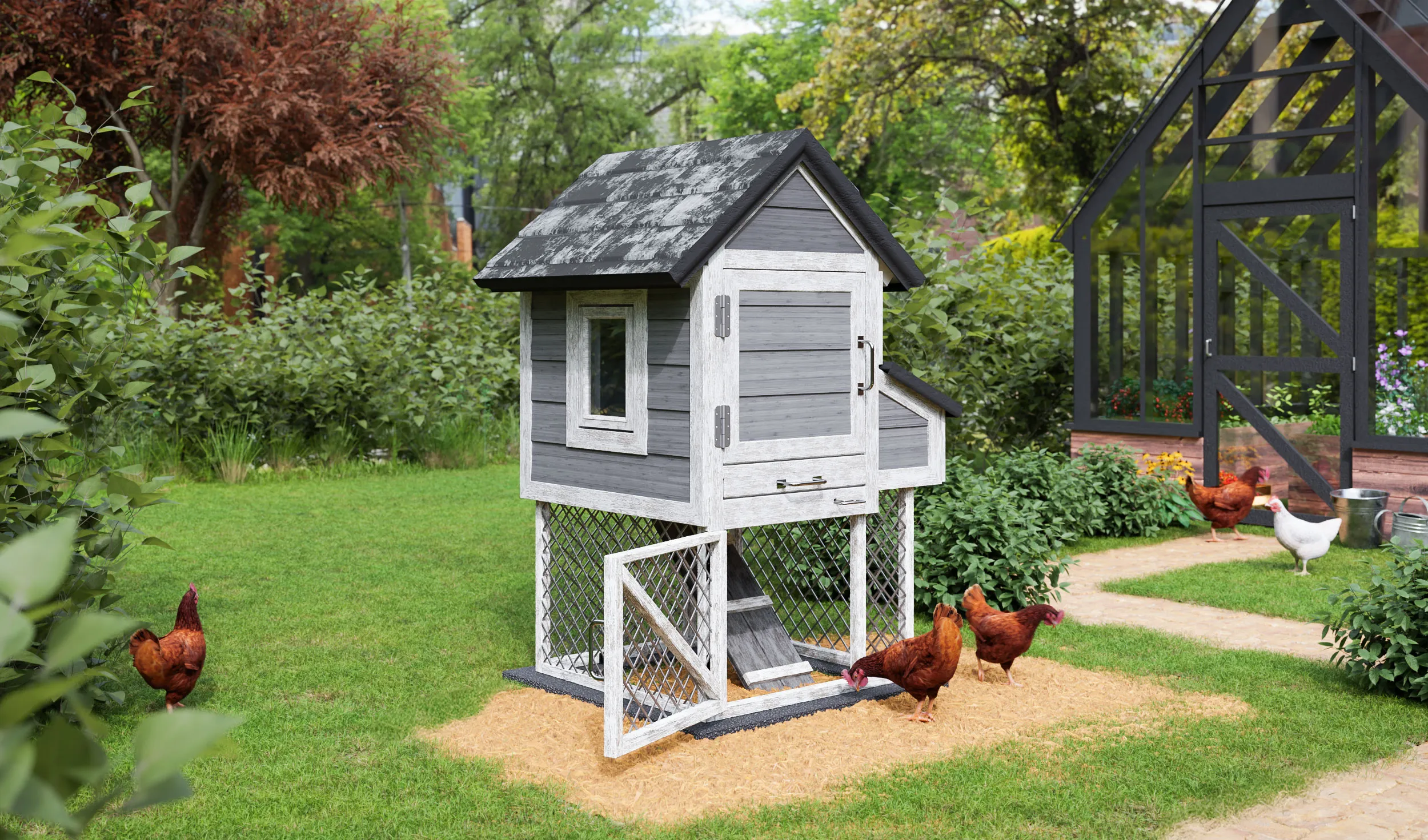
Planning Your Simple Chicken Coop
Embarking on the journey of building your own chicken coop is a rewarding experience, bringing fresh eggs and the joy of raising chickens right to your backyard. Planning is the crucial first step for a successful and long-lasting coop. Careful consideration of your needs, available space, and the local environment will help you design a coop that’s both functional and a haven for your feathered friends. This guide simplifies the process, ensuring you have all the necessary steps to create a simple yet effective chicken coop.
Determine Your Coop Size
The size of your chicken coop is directly related to the number of chickens you plan to keep. Overcrowding can lead to stress, disease, and a decrease in egg production. Providing adequate space allows chickens to move freely, roost comfortably, and avoid aggressive behaviors. A general rule of thumb is to allow at least 4 square feet of space per chicken inside the coop, and 8-10 square feet per chicken in the run. This ensures they have enough room for comfortable living. Planning the right size coop ensures happy chickens.
Consider Your Flock’s Size

Before you begin building, accurately estimate the number of chickens you intend to house. Starting with a few chickens and expanding your flock later is a common approach, so design your coop with future growth in mind. If you are unsure, it is always better to build a slightly larger coop than to have your chickens overcrowded. Researching different chicken breeds can help you understand their specific space requirements and temperament. Different breeds have different needs, so choose wisely.
Assess Your Available Space
Consider the space you have available in your backyard. While a simple chicken coop can be compact, it still requires a certain footprint for both the coop itself and the enclosed run. Factor in any local zoning regulations or homeowner association rules that might restrict the size or location of your coop. Ensure there’s enough space for easy access to the coop for cleaning, egg collection, and general maintenance. A well-placed coop maximizes both the chickens’ well-being and your convenience.
Choosing the Right Location
The location of your chicken coop is as important as the coop itself. A well-chosen location can protect your chickens from the elements, predators, and make maintenance much easier. Consider factors like sunlight, shade, and prevailing winds. Furthermore, location influences how easy it is to maintain your coop and how it impacts your neighbors. A good coop location helps to ensure the health and safety of your chickens. This also adds to your enjoyment of raising chickens.
Sunlight and Shade Considerations

Chickens need both sunlight and shade. Direct sunlight in the morning helps regulate their internal clocks and provides warmth, while shade is crucial for protection from the summer heat. Position your coop so that it receives morning sun and has a shaded area during the hottest part of the day. Consider planting trees or shrubs near the coop to provide natural shade. Ensure proper ventilation to prevent overheating. This balance keeps your chickens comfortable and healthy.
Predator Protection Measures
Protecting your chickens from predators is essential. Choose a location that is not easily accessible to predators such as foxes, raccoons, and hawks. Avoid placing the coop near fences, trees, or anything that could provide easy access for predators to jump over or climb onto. Ensure the coop and run are constructed with sturdy materials and secure fastenings. Burying hardware cloth around the perimeter of the run is a highly effective method to deter digging predators.
Essential Materials for Your Coop
Selecting the right materials is fundamental to building a durable, safe, and comfortable chicken coop. The materials you choose will affect the coop’s longevity, ease of maintenance, and the overall health of your chickens. Prioritize materials that are weather-resistant, predator-proof, and non-toxic to ensure a safe environment for your flock. Considering the materials helps in the long run for maintaining a coop and raising happy hens.
Lumber Selection Guide

Wood is the most common material for building chicken coops, offering a good balance of affordability, ease of use, and insulation. Choose wood that is naturally rot-resistant, or treat it with a non-toxic sealant. Untreated wood can be susceptible to rot, especially in damp environments. Avoid pressure-treated lumber, as it can contain chemicals harmful to chickens. Consider using cedar or redwood for their natural resistance to rot and insects. Wood provides a good base for building your coop.
Choosing the Right Wood Type
Different types of wood offer different benefits. Cedar and redwood are excellent choices due to their natural resistance to rot, decay, and insects. Pine is a more affordable option, but requires treatment with a sealant to protect it from the elements. Plywood can be used for the walls and roof, but ensure it is exterior-grade and treated to resist moisture. Regardless of the wood type, ensure it is free of splinters and sharp edges to prevent injury to your chickens. Selecting the right wood is vital for the life of your coop.
Hardware and Fasteners
High-quality hardware and fasteners are essential for the structural integrity of your chicken coop. Use galvanized or stainless steel screws, nails, and hinges to prevent rust and corrosion. Hardware cloth is a must for the run and any vulnerable areas, providing excellent protection against predators. Make sure the mesh size of the hardware cloth is small enough to prevent predators from reaching through. Heavy-duty staples or screws are needed to attach the hardware cloth securely. The right hardware protects your chickens and provides stability.
Essential Tools You’ll Need

Building a chicken coop requires a set of basic tools. A circular saw or hand saw is necessary for cutting lumber, while a drill/driver will be used for screwing the pieces together. A hammer, measuring tape, level, and square are also essential. Safety gear such as safety glasses and work gloves should always be used. You’ll also need a stapler and possibly a wire cutter for the hardware cloth. These basic tools are necessary to build a coop.
Building the Coop Frame
The frame is the skeleton of your chicken coop, providing the structural support for the walls, roof, and other components. Accurate measurements and sturdy construction are crucial for creating a stable and long-lasting structure. Ensuring your frame is square and level sets the foundation for the rest of the build. A well-constructed frame ensures that the coop will withstand the elements and provide a safe home for your chickens. Planning and building a strong frame is vital for structural integrity.
Constructing the Walls and Roof
Once the frame is complete, you can begin constructing the walls and roof. Attach the chosen siding material to the frame, ensuring it is securely fastened. For the roof, consider using plywood covered with roofing felt and shingles, or a simple corrugated metal roof. Proper overlapping of the roofing materials is important to prevent water leaks. Ensure good ventilation in the roof to prevent moisture buildup. Building the walls and roof will protect your chickens from the elements.
Adding Ventilation and Windows

Ventilation is essential for maintaining healthy air quality inside the coop. Proper ventilation helps to prevent the buildup of ammonia from droppings, which can be harmful to chickens. Install vents near the top of the coop and windows that can be opened for airflow. Cover the vents and windows with hardware cloth to keep predators out while still allowing air to circulate. Consider using a pop-hole door that can be opened and closed with a timer for added convenience and security. Good air quality ensures healthy chickens.
Building the Chicken Run
The chicken run is an essential component of a well-designed chicken coop, providing your chickens with a safe, enclosed outdoor space to roam, forage, and enjoy fresh air and sunshine. A secure run is crucial for protecting your chickens from predators. Designing and building a secure chicken run extends your coop’s utility and provides a healthy environment for your chickens. An enclosed run provides a safe space for chickens.
Run Design and Dimensions
The dimensions of your chicken run should be based on the number of chickens you have and the amount of space you can allocate. Aim for at least 8-10 square feet of space per chicken in the run. A rectangular run is often the easiest to build, but you can customize the shape based on your available space. The run should be tall enough to allow you to walk in comfortably for cleaning and maintenance. Ensure the run is securely attached to the coop to prevent predators from entering.
Securing the Run from Predators

Predator protection is the primary purpose of the chicken run. Bury hardware cloth at least 12 inches deep around the perimeter of the run to prevent digging predators from entering. Use sturdy posts and secure the hardware cloth tightly to the frame of the run. The top of the run should also be covered with hardware cloth or netting to protect against aerial predators. Inspect the run regularly for any signs of damage or potential weaknesses. A secure run protects your chickens.
Adding the Finishing Touches
Once the basic structure of your coop and run are complete, it’s time to add the finishing touches. These details will enhance the comfort and functionality of the coop, making it a more pleasant environment for your chickens and easier for you to manage. Proper finishing touches transform your coop into a comfortable home for your chickens and provide convenience for you. The details are important for happy chickens.
Installing Roosts and Nesting Boxes
Roosts provide a place for chickens to sleep and rest at night. Position the roosts at a comfortable height, away from drafts and direct sunlight. Nesting boxes are essential for egg laying. Provide one nesting box for every 3-4 hens. The boxes should be located in a dark, quiet area of the coop. Line the boxes with comfortable bedding, such as straw or wood shavings. Adding roosts and boxes makes your chickens feel more secure and comfortable.
Providing Water and Feed

Fresh water and feed are crucial for your chickens’ health. Provide a waterer and feeder that are easily accessible and protected from the elements. Place the waterer and feeder in a location that is easy to clean. Ensure the feeder is designed to prevent chickens from spilling feed. The right location of feeders ensures your chickens have food and water. The convenience makes it easier to raise your chickens.
Maintaining Your Simple Chicken Coop
Regular maintenance is key to keeping your chicken coop clean, safe, and in good condition. Consistent care will extend the life of your coop and contribute to the health and well-being of your chickens. Regular maintenance ensures the coop remains a safe and healthy environment. Keeping up with the maintenance ensures the coop lasts a long time.
Cleaning and Hygiene Practices
Clean your coop regularly to prevent the build-up of waste and the spread of disease. Remove droppings daily, and clean the coop thoroughly at least once a week. Replace the bedding regularly and disinfect the coop periodically. Proper ventilation is essential for maintaining good air quality and reducing odors. Keeping your coop clean is the best defense against diseases. Cleaning regularly ensures healthy chickens.
Winterizing Your Coop
Prepare your coop for the winter months to keep your chickens warm and comfortable. Insulate the coop walls and roof to reduce heat loss. Provide extra bedding to help retain warmth. Ensure adequate ventilation to prevent moisture buildup, which can lead to frostbite. Consider using a heat lamp, but always prioritize safety by using appropriate fixtures and following safety guidelines. Winterizing the coop ensures the chickens are safe in cold weather.