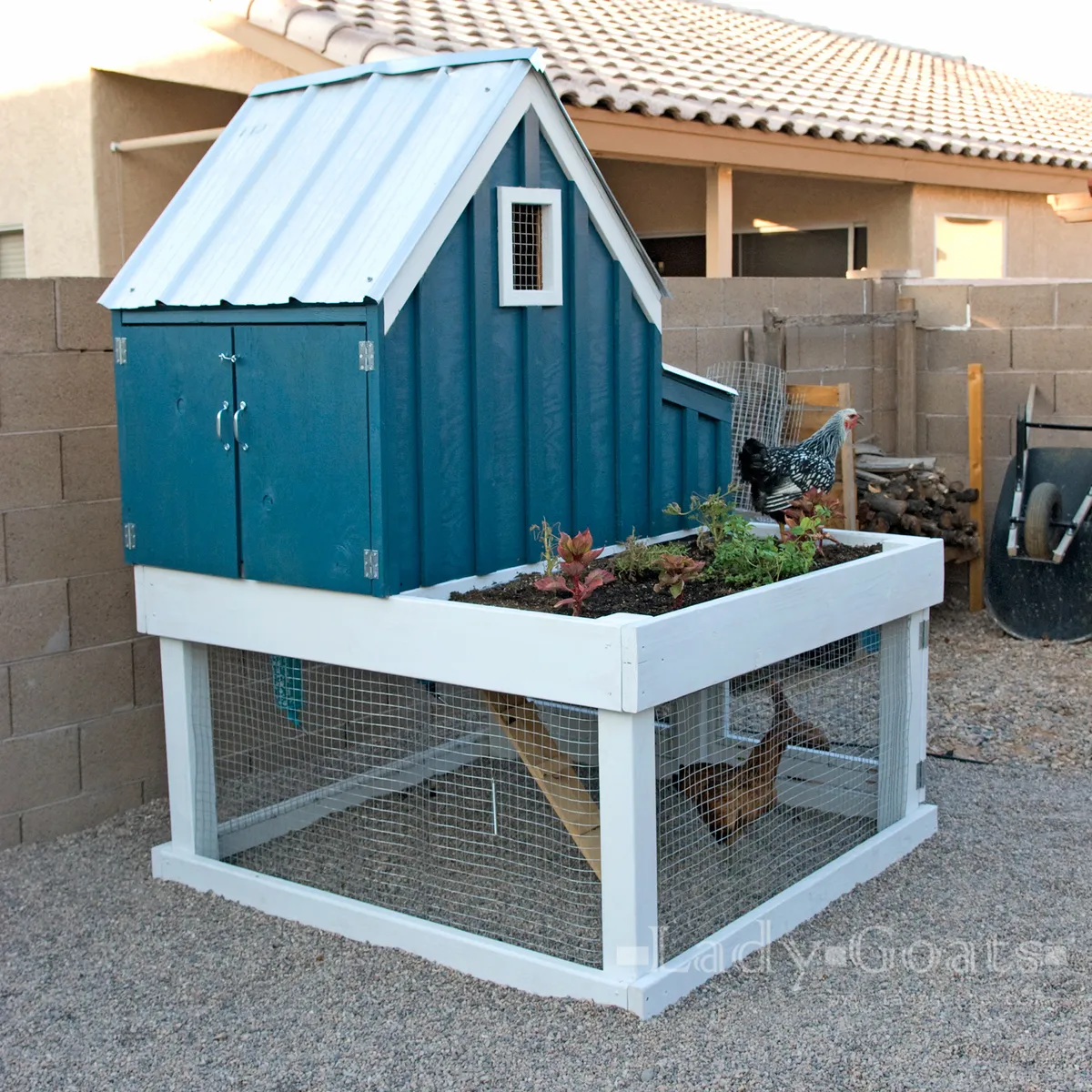
Building a small chicken coop is a rewarding project, offering fresh eggs and the joy of raising your own flock. This comprehensive guide will walk you through every step, from planning and design to construction and maintenance, ensuring a safe, comfortable, and efficient home for your chickens. Whether you’re a seasoned DIY enthusiast or a beginner, this guide provides the essential knowledge and practical tips you need to succeed. A well-built small chicken coop not only provides shelter but also contributes to the overall health and happiness of your chickens, ultimately leading to a more sustainable and fulfilling backyard experience.
Planning Your Small Chicken Coop
Effective planning is the cornerstone of a successful chicken coop project. Thorough preparation saves time, money, and potential headaches down the line. Consider all aspects of your project before you even buy the first piece of wood. Proper planning helps in the creation of a secure and pleasant habitat for your chickens. Planning should include a detailed design, a list of necessary materials, and a well-defined construction schedule.
Choosing the Right Location
The location of your small chicken coop is critical for both the chickens’ well-being and your convenience. It affects their health, safety, and access to natural resources. A good location optimizes sunlight, shade, and protection from the elements while also considering accessibility for cleaning and maintenance. Take the time to carefully evaluate different options to determine the most suitable location for your chickens’ coop.
Assessing Your Space

Before building, assess the available space in your yard. Ensure you have enough room for the coop, a run (if applicable), and allow for comfortable chicken movement. Also, check local zoning regulations and homeowner association rules regarding chicken coops. Consider the size of your flock and anticipate future growth to ensure the coop is large enough for the chickens’ needs, including space for nesting, roosting, and foraging. Remember to leave space for yourself to move around when performing maintenance.
Considering Sunlight and Shade
Sunlight and shade are essential for chicken health and comfort. Chickens need sunlight for Vitamin D production and overall well-being. Place the coop where it gets ample morning sunlight, which helps dry the coop and reduce moisture buildup. Ensure there’s also shade available, particularly during hot afternoons, to prevent overheating. Trees, shade cloths, or strategic coop placement can provide essential shade, ensuring chickens can regulate their body temperature, reducing stress and promoting overall health.
Preparing for Weather Conditions
Protecting your coop from the elements is critical. Position the coop to shield it from prevailing winds and heavy rain. Ensure proper drainage around the coop to prevent water accumulation, which can lead to dampness and disease. Consider the local climate when planning the coop design. In cold climates, insulate the coop to keep chickens warm, and in hot climates, ensure adequate ventilation to keep them cool. A well-protected coop provides a consistent and comfortable environment for your chickens throughout the year.
Essential Materials for Your Coop

Choosing the right materials ensures the coop’s durability, safety, and longevity. Quality materials resist weather damage, protect the chickens from predators, and provide a healthy living environment. Consider the local climate when selecting materials to ensure they can withstand extreme temperatures, precipitation, and potential pest infestations. Investing in good materials reduces maintenance and prolongs the coop’s lifespan.
Wood Selection for Durability
The type of wood significantly impacts the coop’s lifespan. Choose weather-resistant wood, such as cedar or redwood, to protect against rot, pests, and moisture damage. If using pressure-treated lumber, ensure it’s safe for animal contact. Avoid wood with splinters or sharp edges that could injure the chickens. Consider the wood’s thickness to provide insulation and structural support. Opting for quality wood reduces the need for frequent repairs and enhances the coop’s overall durability.
Hardware and Fasteners
High-quality hardware and fasteners are critical for the coop’s structural integrity and security. Use galvanized screws, nails, and hinges that resist rust and corrosion. Ensure all joints are securely fastened to withstand wind and weather. Use sturdy latches and locks to prevent predators from entering. Check and tighten screws and hinges regularly to maintain the coop’s structural integrity. Choose hardware appropriate for the wood type and expected weather conditions.
Roofing Materials

Selecting the right roofing material is crucial for weather protection. Consider asphalt shingles, metal roofing, or corrugated plastic panels, which are durable, waterproof, and can withstand the elements. Ensure the roof is properly sloped to allow for efficient water runoff. Proper roof installation prevents water leaks, which can damage the coop’s structure and create a damp environment. Select roofing materials that complement the coop’s design and provide effective protection.
Designing the Coop Structure
An efficient coop design provides a safe and comfortable environment for your chickens while being easy to maintain. Thoughtful planning ensures the coop meets your flock’s needs and your operational convenience. Good design principles create a functional, predator-resistant, and aesthetically pleasing coop that simplifies daily chores and promotes chicken well-being.
Coop Dimensions and Space Requirements
Ensure your coop is the right size for your flock. As a general guideline, plan for at least 4 square feet of floor space per chicken inside the coop, and more space is better. Provide at least 8-10 square feet per chicken in the run if you have one. Consider the number of chickens you plan to house and their breed, as larger breeds need more space. Overcrowding leads to stress, feather pecking, and disease, so proper space is essential.
Creating a Secure Coop Frame

A sturdy frame is the foundation of a secure coop. Build a robust frame using appropriate wood and secure fasteners. Use level construction to ensure all walls are straight and the structure is stable. Reinforce corners and joints for added strength, especially if you live in an area prone to high winds. The frame should be solid enough to withstand the elements and any potential predator attacks.
Building the Walls and Roof
Constructing walls and a roof correctly is vital for weather protection and chicken safety. Ensure the walls are solid and well-sealed to prevent drafts and predator access. Install the roof with proper overhangs to divert water away from the coop. Make sure the roof is securely attached to withstand wind. Proper construction protects chickens from the elements and keeps the coop dry and comfortable.
Adding Essential Features
Essential features enhance the comfort and functionality of your chicken coop. These features improve chicken health and make coop management easier. Thoughtful additions create a habitat that meets the hens’ needs, ensuring both their well-being and your convenience.
Nesting Boxes Design and Placement

Nesting boxes provide a safe and private space for hens to lay eggs. Provide one nesting box for every 3-4 hens. Place the nesting boxes in a quiet, dimly lit area away from the main traffic flow. Elevate the boxes slightly off the ground. Line the boxes with comfortable bedding such as straw or wood shavings. Ensure easy access to the boxes for egg collection and cleaning. Proper nesting box design encourages healthy egg production and prevents egg breakage.
Roosting Bars for Comfortable Sleep
Roosting bars provide a comfortable place for chickens to sleep at night. Position the roosting bars at a height that is accessible to the chickens, typically 18-24 inches off the ground. Provide at least 8-10 inches of roosting space per chicken. Ensure the roosting bars are sturdy and made of non-splintering material. Place the roosting bars away from the nesting boxes to keep them clean. Well-designed roosting bars promote restful sleep and chicken health.
Ventilation for Airflow and Health
Proper ventilation is vital for removing moisture and ammonia buildup, which can lead to respiratory problems in chickens. Install vents high on the coop walls, allowing for cross-ventilation. Avoid drafts that can chill the chickens. Ensure good airflow to keep the coop dry and prevent mold and mildew growth. Ventilation promotes healthy air quality, reducing the risk of disease and maintaining a comfortable environment.
Securing Your Coop from Predators

Protecting your chickens from predators is a top priority. Implement effective measures to deter unwanted visitors and ensure your chickens’ safety. A well-secured coop provides a safe haven for your flock, allowing them to thrive.
Using Hardware Cloth
Hardware cloth is essential for preventing predator entry. Use hardware cloth, not chicken wire, to cover all openings, including windows, vents, and the floor if the coop is built directly on the ground. Bury the hardware cloth around the perimeter of the coop to deter digging predators. Secure the hardware cloth tightly to the frame, ensuring there are no gaps or weak points. Hardware cloth provides robust protection against various predators.
Protecting Against Digging Predators
Many predators try to dig under coops to gain access. Bury hardware cloth around the coop’s perimeter to a depth of at least 12 inches, extending outwards from the coop. Another option is to attach hardware cloth to the bottom of the coop and then extend it outward, covering the ground around the coop. Consider adding a concrete footing for even greater protection. Preventing digging is a crucial step in predator control, ensuring the coop is impenetrable.
Maintaining and Cleaning Your Coop
Regular maintenance and cleaning keep your coop in good condition and promote the health of your chickens. A well-maintained coop is easier to manage and enhances your chickens’ well-being. Consistent cleaning minimizes the risk of disease and ensures a pleasant environment for both you and your chickens.
Daily, Weekly, and Monthly Cleaning Tasks
Establish a cleaning schedule to maintain a healthy coop environment. Each day, collect eggs, spot-clean any messes, and check water and food levels. Each week, clean the nesting boxes and remove soiled bedding, adding fresh bedding as needed. Once a month, completely clean the coop, removing all bedding, scrubbing the surfaces with a poultry-safe cleaner, and allowing the coop to dry thoroughly. Regularly cleaning ensures a healthy environment and reduces the risk of disease.
Preventing Pests and Diseases
Take proactive steps to prevent pests and diseases. Regularly inspect the coop for mites, lice, and other parasites and treat them as necessary. Keep the coop dry and well-ventilated to prevent the growth of mold and mildew. Use diatomaceous earth (DE) or other natural pest deterrents to control parasites. Quarantine any sick chickens to prevent the spread of disease. Implementing these preventative measures helps keep your flock healthy and happy.
Building a small chicken coop is a rewarding experience that combines practical skills with the joys of raising chickens. By following this guide, you can create a secure, comfortable, and sustainable home for your flock. Remember to prioritize planning, choose quality materials, and maintain your coop regularly. With careful construction and consistent care, your small chicken coop will provide years of fresh eggs and the simple pleasures of backyard chicken keeping.