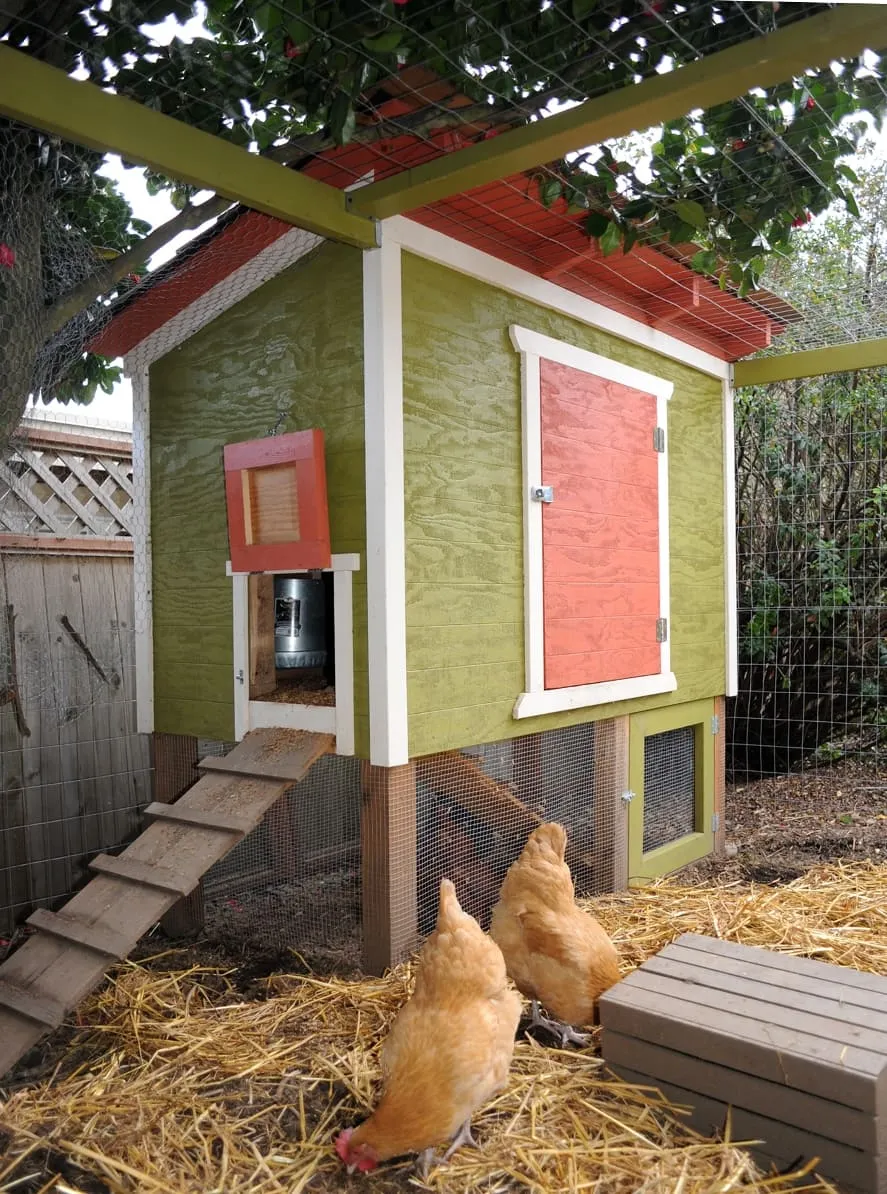
Building a small chicken coop is a rewarding project that allows you to enjoy fresh eggs and the company of these delightful birds. Whether you’re a seasoned DIY enthusiast or a complete beginner, this guide will walk you through every step of the process, from planning and design to construction and maintenance. A well-built coop provides a safe, comfortable, and secure environment for your chickens, protecting them from predators and the elements while making your backyard a more vibrant and engaging space. With careful planning and execution, your small chicken coop will not only provide a home for your feathered friends but also become a source of pride and a testament to your commitment to sustainable living.
Planning Your Small Chicken Coop
The initial planning phase is crucial for the success of your small chicken coop project. This involves several key considerations that set the stage for a smooth and efficient build. Take the time to thoroughly research your local regulations, consider your space, and determine the specific needs of your chickens to ensure the coop meets both their requirements and your expectations. This proactive approach will save you time, money, and potential headaches down the road, making the entire process more enjoyable and rewarding.
Choosing the Right Location for Your Coop
Selecting the right location for your small chicken coop is paramount for the health, safety, and happiness of your chickens, as well as your own convenience. The ideal spot should be relatively level, well-drained to prevent water accumulation, and offer a balance of sun and shade. Avoid areas prone to flooding or strong winds, and consider the prevailing wind direction to minimize odors. Proximity to your home is beneficial for easy access, but ensure it’s far enough to not disturb you with noise or attract pests. Consider also access to water and electricity if needed. (Image: small-chicken-coop-location.webp)
Assessing Local Regulations and Requirements

Before you start building, it’s essential to check your local zoning laws and homeowner’s association (HOA) guidelines. These regulations can dictate the size, placement, and design of your coop, as well as the number of chickens you are allowed to keep. Some areas may require permits, while others may restrict the types of breeds allowed. Ignoring these regulations can lead to fines or even the requirement to remove your coop. Contact your local planning department or HOA to obtain the necessary information and ensure your project complies with all applicable rules.
Determining Coop Size Based on Chicken Breed & Flock Size
The size of your small chicken coop should be determined by the number of chickens you plan to keep and their breed. Different breeds have different space requirements. As a general rule, provide at least 4 square feet of floor space per chicken inside the coop and 8-10 square feet per bird in the enclosed run. This allows chickens to move around comfortably, reduces stress, and minimizes the chance of overcrowding. Consider your flock’s future size, allowing for potential growth or the addition of new birds. Remember, a slightly larger coop is always better than one that’s too small, as it contributes significantly to the well-being of your chickens and the overall cleanliness of the coop. (Image: chicken-coop-design.webp)
Designing Your Coop
Designing your small chicken coop involves making several key decisions about its structure and functionality. A well-designed coop prioritizes the chickens’ needs while also being practical and easy to maintain. The design should consider ventilation, predator protection, and ease of access for cleaning and egg collection. Consider whether you want a stationary coop or a portable one. The design will influence the materials you choose and the construction methods you employ, so take time to create a detailed plan that meets your specific needs and preferences.
Essential Features for a Comfortable Coop Environment

Several features are essential for creating a comfortable and healthy environment for your chickens. Adequate ventilation is crucial to prevent the buildup of ammonia and moisture, which can cause respiratory problems. Nesting boxes should be comfortably sized and provide a safe, private space for laying eggs. Roosting bars, elevated perches where chickens sleep, should be positioned away from nesting boxes to prevent roosting in them. Ensure that the coop is easy to clean, with smooth surfaces and removable trays or access panels. The addition of a run is another important feature.
Ventilation, Lighting, and Nesting Boxes
Proper ventilation is essential for a healthy coop environment. Ensure adequate airflow to remove moisture and ammonia. This can be achieved through vents placed high on the walls and roof, or with a screened window. Natural light helps regulate the chickens’ laying cycle. Consider windows or skylights, but make sure they can be securely closed. Nesting boxes should be provided at a rate of one box for every 3-4 hens. Position them in a quiet, semi-dark area of the coop. (Image: chicken-coop-design.webp)
Selecting Durable and Chicken-Friendly Materials
Choosing the right materials will determine the longevity and safety of your small chicken coop. Opt for durable, weather-resistant materials like cedar, redwood, or pressure-treated lumber. Avoid materials that can splinter or contain harmful chemicals. Use hardware cloth with small mesh sizes to prevent predators from entering. Consider the ease of cleaning and maintenance when selecting materials; smooth, non-porous surfaces are ideal. (Image: chicken-coop-materials.webp)
Building the Foundation and Frame

Constructing the foundation and frame of your small chicken coop is a critical step. A solid foundation provides stability and prevents the coop from settling unevenly, which can lead to structural problems. The frame provides the structural support for the walls, roof, and other components. Accurate measurements and precise cuts are essential for a well-built coop. Take your time and ensure all pieces are level and plumb to ensure a stable and lasting structure.
Constructing the Floor and Walls
After building the foundation, construct the floor, ensuring it is level and securely attached to the frame. Use plywood or another appropriate material for the floor, ensuring it can withstand the weight of the chickens and resist moisture. Then, build the walls by attaching the frame to the foundation. Ensure the walls are plumb and square before securing them. Use appropriate fasteners for the materials you are using, such as screws or nails. Consider the placement of windows and doors during this step. The walls will provide the framework for the overall appearance of the coop. (Image: coop-foundation.webp)
Building the Roof for Weather Protection
The roof of your small chicken coop provides essential protection from the elements, shielding your chickens from rain, snow, and sun. Choose a roofing material that is both weather-resistant and durable, such as asphalt shingles, metal roofing, or corrugated panels. Ensure the roof has proper overhang to prevent water from running down the walls. A well-built roof will extend the life of your coop and provide a comfortable environment for your chickens. Be certain that the roof structure is strong enough to handle the weight of snow in your region. (Image: coop-roof.webp)
Installing Doors and Windows

Install doors and windows to provide access to the coop and to allow for ventilation and natural light. The doors should be secure, with a reliable latching system to prevent predators from entering. Consider the size and location of the doors for easy access for cleaning, egg collection, and tending to your chickens. Windows should be screened to allow for ventilation while preventing pests. Ensure windows can be securely closed and locked when necessary. Careful installation will ensure the coop is both functional and secure.
Ensuring Coop Security
Protecting your chickens from predators is a top priority when building your small chicken coop. This requires careful planning and attention to detail to create a secure environment. Common predators include foxes, raccoons, coyotes, dogs, and hawks. Fortifying your coop against these threats is essential for the safety and well-being of your flock. The following steps will provide a secure environment for your chickens.
Protecting Against Predators
To protect your chickens, bury hardware cloth around the perimeter of the coop to prevent digging predators from entering. Ensure that the walls and roof are secure, with no gaps or openings that predators could exploit. Consider using a secure latching system on all doors and windows. Regular inspections of your coop will allow you to identify and address any potential vulnerabilities. Consider also adding a predator-proof run, completely enclosing the coop and run area.
Hardware Cloth and Secure Latches

Hardware cloth, a sturdy wire mesh, is essential for protecting your chickens. Use it to cover all openings, including windows, vents, and the run. Ensure the mesh is securely attached to the frame. Secure latches are another key aspect of coop security. Use latches that are difficult for predators to open, such as carabiner clips or barrel bolts. Regularly check and maintain your latches and hardware cloth to ensure they remain effective in protecting your chickens. (Image: coop-security.webp)
Finishing Touches & Accessories
Once the basic structure of your small chicken coop is complete, it’s time to add the finishing touches and accessories that will make it a comfortable and functional home for your chickens. This includes adding nesting boxes, roosting bars, and any other features that will contribute to the well-being and happiness of your flock. These details will enhance the usability and aesthetic appeal of your coop.
Adding Nesting Boxes and Roosting Bars
Nesting boxes provide a safe and private space for your hens to lay their eggs. Mount the boxes in a quiet, semi-dark area of the coop, and line them with clean, soft bedding, such as straw or wood shavings. Roosting bars, typically made of wood, provide a place for the chickens to perch and sleep at night. Position the roosting bars at a comfortable height, away from the nesting boxes. Ensure there’s enough space for each chicken to roost comfortably. (Image: coop-nesting-boxes.webp)
Creating a Comfortable and Safe Coop Interior

The interior of your small chicken coop should be designed to provide a comfortable and safe environment. Use non-toxic materials and avoid sharp edges or protruding nails that could injure your chickens. Ensure the coop is well-ventilated to prevent the buildup of moisture and ammonia. Provide a source of fresh water and a feeder. Regular cleaning and maintenance will help to maintain a healthy environment for your chickens.
Final Steps & Beyond
Once the construction is complete, there are a few final steps to prepare your coop for your chickens. This includes adding bedding, setting up feeders and waterers, and introducing your flock to their new home. Regular maintenance is also essential for the long-term health and functionality of your coop.
Maintaining Your Coop
Regular maintenance is crucial for keeping your small chicken coop in good condition and ensuring the health of your chickens. This includes regular cleaning, repairs, and inspections. A well-maintained coop will last longer and provide a safer and more comfortable environment for your flock. Regular maintenance is also essential for reducing the risk of disease and pests.
Cleaning and Sanitation Schedule
Establish a regular cleaning schedule for your small chicken coop. Remove droppings daily and replace soiled bedding frequently. Deep clean the coop at least once a month, removing all bedding and thoroughly scrubbing the floors, walls, and nesting boxes with a poultry-safe disinfectant. Regular cleaning helps to prevent the buildup of ammonia and other harmful substances. A clean coop contributes significantly to the health and happiness of your chickens.
Future Enhancements & Modifications
As your flock grows or your needs change, you may want to make enhancements or modifications to your small chicken coop. Consider adding a run to give your chickens more space to roam. Install automatic door openers for added convenience. Consider adding a ventilation system. By planning for future needs, you can create a coop that meets the needs of your chickens and remains a valuable asset for years to come.
Building a small chicken coop is a rewarding experience that combines practical skills with the joy of raising chickens. By following these steps, you can create a safe, comfortable, and functional home for your flock. Enjoy the process, and savor the fresh eggs and the connection with nature that comes with chicken keeping. Remember to constantly learn and adapt, as your knowledge and experience grow, you can continue to improve your coop and the well-being of your chickens.