The Top 5 Essentials of Small Chicken Coop Plans
Building a small chicken coop can be a rewarding experience, providing fresh eggs and companionship. However, to ensure the well-being of your chickens and the success of your project, it’s crucial to focus on the essentials. This guide highlights the top 5 critical elements to consider when planning and constructing a small chicken coop, covering everything from space requirements to predator-proofing. By prioritizing these key aspects, you’ll create a safe, comfortable, and functional home for your feathered friends, making chicken keeping a joy. With careful planning and attention to detail, your small chicken coop can be a thriving part of your backyard and a source of fresh, healthy eggs for years to come. Proper planning is the key and this article will give you all you need to know.
Coop Size and Space Requirements
One of the most fundamental aspects of any small chicken coop plan is determining the appropriate size. Chickens need enough space to move around, roost, and lay eggs comfortably. Overcrowding can lead to stress, disease, and behavioral problems. The recommended space per bird varies depending on the climate and breed, but generally, it’s best to provide ample room to prevent any issues. A well-planned coop allows chickens to live a happy and healthy life, resulting in better egg production and overall well-being. This first section breaks down everything you need to know to start building.
Ensuring Adequate Space Per Bird

As a general rule, you should plan for at least 4 square feet of floor space per chicken inside the coop. For the run, aim for a minimum of 8 square feet per bird, although more space is always better. Consider the breed of your chickens, as larger breeds may require more space. Also, think about the climate; chickens in warmer climates may need more space to stay cool. Proper spacing not only ensures comfort but also helps to maintain a cleaner coop and reduce the spread of diseases. Always prioritize providing enough space to allow chickens to exhibit their natural behaviors, like foraging and dust bathing. These activities are essential for their physical and psychological health.
Considering the Run Area
The run area is just as important as the coop itself. It provides chickens with a safe, enclosed space to roam, forage, and exercise. The run should be large enough to allow chickens to move freely, explore, and scratch at the ground. A larger run reduces the risk of boredom and the development of negative behaviors like feather pecking. The run also needs to be secure, with sturdy fencing and proper predator-proofing measures (which we’ll cover later). Consider adding a roof or partial covering to the run to protect chickens from the sun and weather. Think about the ground cover, such as grass, gravel, or wood chips, to help keep the area clean and manageable, and also for the chickens to enjoy.
Choosing the Right Materials
The materials you choose for your small chicken coop plan will significantly impact its durability, longevity, and the safety of your chickens. Selecting the right materials is crucial for creating a coop that can withstand the elements, deter predators, and provide a comfortable living environment for your flock. Using high-quality materials might seem like an upfront investment, but it will save you money and time in the long run by reducing the need for repairs and replacements. Also, consider the aesthetic of the coop and how it complements your backyard. Materials also have an impact on the maintenance required.
Wood Selection for Durability

Wood is the most common material for chicken coops, and for good reason. It’s relatively easy to work with, readily available, and provides good insulation. When selecting wood, choose rot-resistant options like cedar, redwood, or pressure-treated lumber. These woods can withstand the weather, moisture, and the wear and tear of chicken activity. Avoid using wood with any chemical treatments that could be harmful to chickens. Pine is also a good choice, but it needs to be sealed or painted to protect it from the elements. Ensure all wood is properly sealed or painted to protect against moisture, which can lead to rot and mold. These woods will give you the best results.
Hardware Cloth for Security
Hardware cloth is a crucial material for predator-proofing your coop. Unlike chicken wire, which predators can easily tear or chew through, hardware cloth is made of sturdy, galvanized steel wire. It should be used to enclose the run and any openings in the coop. When installing hardware cloth, bury it at least 12 inches deep around the perimeter of the run to prevent digging predators from entering. Overlap the edges and secure with staples or screws to prevent gaps that predators could exploit. The smaller the openings in the hardware cloth, the better, as it will deter even smaller predators. This material is the last line of defense.
Ventilation and Airflow
Proper ventilation is essential for maintaining a healthy environment inside the coop. Good airflow prevents the build-up of ammonia from chicken waste, reduces moisture, and helps regulate temperature. Without adequate ventilation, your chickens can be susceptible to respiratory illnesses and other health problems. Ventilation is also crucial for preventing mold and mildew, which can be harmful to both chickens and humans. Strategic placement of vents and openings can ensure that fresh air circulates through the coop while minimizing drafts. The amount of airflow also depends on your local weather conditions.
Importance of Proper Ventilation

Ventilation helps remove moisture, ammonia, and stale air from the coop, reducing the risk of respiratory problems and diseases. It also helps to regulate temperature, keeping the coop cooler in summer and preventing condensation in winter. Proper ventilation also extends the life of the coop by reducing moisture buildup, which can lead to rot and mold. Design your coop with vents high up on the walls and under the roof to allow for optimal airflow. Vents should be covered with hardware cloth to keep out predators and pests. Ensure your small chicken coop has the best ventilation for your chickens.
Preventing Drafts
While ventilation is crucial, it’s equally important to prevent drafts, especially in colder climates. Drafts can chill chickens, making them more susceptible to illness. Ensure vents are designed to allow for airflow without creating direct drafts. Use baffles or overhangs to deflect wind and protect chickens from the elements. Regularly inspect your coop for any cracks or gaps that could let in drafts, and seal them with caulk or other appropriate materials. Finding the right balance of ventilation and draft protection is key to providing a comfortable and healthy living environment for your chickens throughout the year. The placement of vents is key to having the balance.
Predator-Proofing Measures
Protecting your chickens from predators is a critical element of your small chicken coop plan. Predators can range from the obvious, like foxes and coyotes, to more subtle threats, such as raccoons, opossums, and even domestic dogs and cats. A well-designed coop should incorporate multiple layers of protection to deter predators from accessing your chickens. This includes sturdy construction, secure closures, and measures to prevent digging, climbing, and aerial attacks. Predator-proofing should be a primary consideration in your coop design and construction. This ensures the safety of your chickens.
Securing the Coop Against Digging Predators

Many predators, like foxes, coyotes, and even raccoons, will try to dig under the coop to access chickens. To prevent this, bury hardware cloth around the perimeter of the coop, extending it at least 12 inches underground and angling it outwards. This will create an underground barrier that predators cannot penetrate. Another option is to create a concrete footer around the base of the coop. Also, ensure that the coop floor is made of a solid material, such as concrete or a sturdy wood frame covered with hardware cloth. Regularly inspect the perimeter of the coop for any signs of digging and reinforce the defenses as needed. Preventing access this way will help keep your chickens safe.
Protecting Against Aerial Threats
Protecting your chickens from aerial predators, such as hawks and owls, requires different strategies. The run should be fully enclosed with hardware cloth or netting, ensuring no gaps where a predator could enter. If your run has an open top, consider using netting or a wire mesh to cover it completely. Trimming overhanging tree branches can also reduce the risk of aerial attacks, as they can provide predators with cover. Regularly inspect the netting for any holes or tears and repair them immediately. Additionally, providing visual deterrents, such as reflective objects or scarecrows, can help to scare away potential aerial predators. The goal is to remove all possible entry points.
Nesting Boxes and Roosting Bars
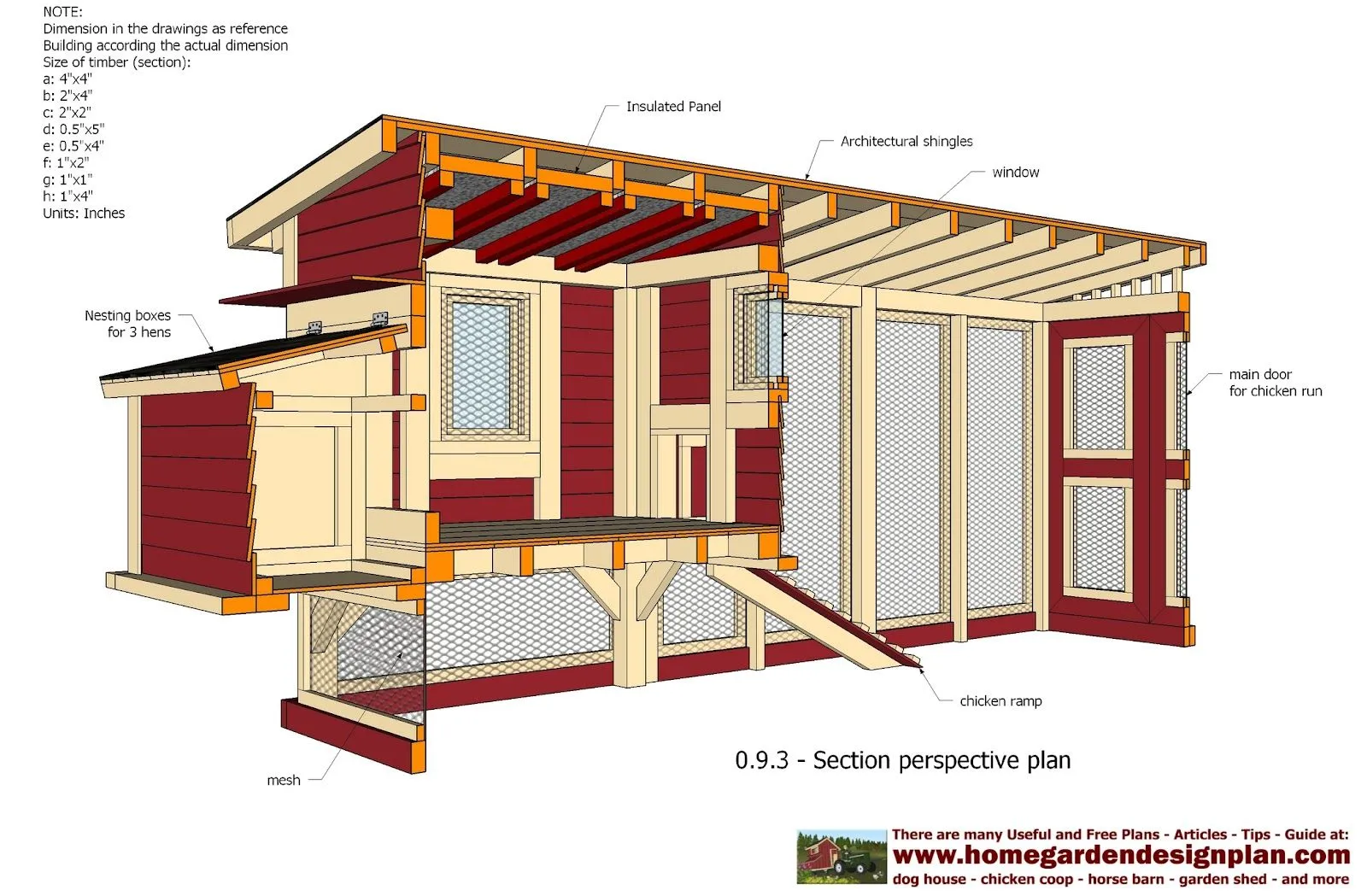
Nesting boxes and roosting bars are essential components of a chicken coop, providing chickens with comfortable and safe places to lay eggs and sleep. Nesting boxes should be designed to encourage egg-laying and protect eggs from damage. Roosting bars provide a place for chickens to rest comfortably at night. The placement and design of these elements should be carefully considered to promote chicken health and well-being. Providing the right environment can make a big difference.
Optimal Nesting Box Design

Nesting boxes should be placed in a quiet, dimly lit area of the coop to encourage egg-laying. Provide one nesting box for every 3-4 hens. The boxes should be large enough for the chickens to comfortably sit, typically around 12x12 inches. Use soft, clean bedding materials, such as straw, wood shavings, or pine needles, to cushion the eggs and provide a comfortable environment. Ensure the nesting boxes are easy to access for both the chickens and the chicken keeper. Regularly clean the nesting boxes to prevent the build-up of parasites and bacteria. Prevent eggs from breaking and keep the boxes clean by following the rules.
Roosting Bar Placement
Roosting bars should be placed at least 18 inches above the ground and away from the walls to allow chickens to comfortably roost. Provide about 8-12 inches of roosting space per chicken. Position the roosting bars away from nesting boxes and under the roof, where chickens can stay dry and protected from the elements. The roosting bars should be made of smooth, non-splintering materials, such as rounded wood or dowels, to provide a comfortable surface for the chickens to grip. Regularly clean the roosting bars to remove droppings and prevent the spread of diseases. Proper placement and design will ensure that your chickens have a safe and comfortable place to sleep at night.
By focusing on these top 5 essentials – space requirements, material selection, ventilation, predator-proofing, and nesting/roosting areas – you can create a small chicken coop that is safe, comfortable, and functional. Careful planning and execution of these elements will ensure the health and happiness of your chickens, making your backyard chicken-keeping experience a success. Remember to always prioritize the well-being of your chickens and adapt your plans to suit their specific needs and the unique conditions of your environment. Happy coop building!