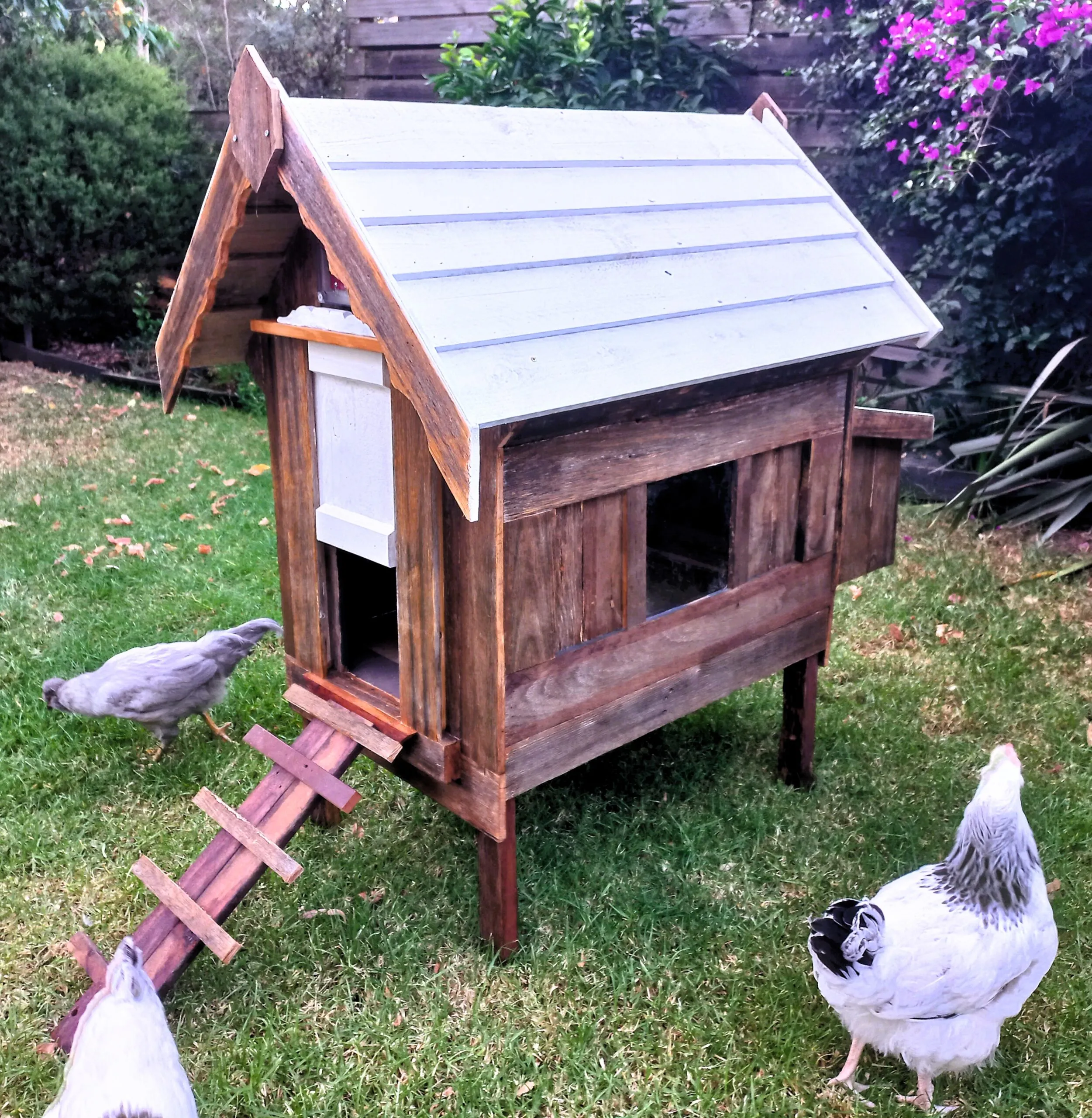
Building or buying a chicken coop is an exciting endeavor, but when space is limited, the idea of a smallest chicken coop becomes paramount. This guide focuses on the top 5 essentials for creating a functional and safe haven for your chickens, even in the smallest of spaces. Understanding these essentials will help you provide a comfortable living environment while maximizing the available area. It’s important to prioritize the chickens’ well-being, ensuring they have adequate space, protection, and a healthy environment, regardless of the coop’s size. This guide will cover essential aspects like ventilation, security, space, materials, and maintenance, all critical for a thriving backyard chicken flock.
What Defines a Smallest Chicken Coop
Defining the ‘smallest chicken coop’ involves considering both physical dimensions and the number of chickens it will house. It’s about finding the balance between space efficiency and the chickens’ needs. A small coop is typically designed to fit in a limited area, like a small backyard or a side yard. The compactness should not compromise the chickens’ health and safety. While there’s no fixed size, the key is to optimize the available space cleverly. The goal is to make the coop a functional, safe, and easy-to-manage space for both the chickens and the owner, even in the smallest of footprints.
Size Considerations for Your Coop
Size considerations are crucial when designing a small chicken coop. The overall dimensions of the coop should be carefully planned to provide adequate space for the chickens’ movement and comfort. Consider the coop’s height, length, and width, and ensure they meet the minimum requirements based on the number of chickens you intend to keep. Taller coops can offer more headroom, enhancing ventilation and making maintenance easier. Proper planning will prevent overcrowding and ensure the chickens’ overall well-being. A well-designed small coop maximizes the space and supports a healthy and happy flock.
Number of Chickens You Can House

The number of chickens a smallest chicken coop can house directly impacts its design and functionality. Overcrowding can lead to stress, disease, and behavioral issues. It’s vital to determine the maximum number of chickens you can keep within the available space while ensuring each bird has enough room to move freely, roost comfortably, and access food and water without unnecessary competition. The ideal stocking density varies based on chicken breed and coop design, so research the specific needs of your chosen breeds to make informed decisions. Always prioritize the welfare of your chickens by avoiding overcrowding and creating a balanced living environment.
Essential 1 Ventilation
Ventilation is a cornerstone of a healthy chicken coop, especially in a smaller space. Proper ventilation removes moisture, ammonia, and stale air, which can lead to respiratory problems and disease. It also helps regulate the coop’s temperature, preventing it from becoming too hot in the summer or too cold in the winter. Adequate airflow keeps the coop fresh and dry, thereby reducing the risk of mold and bacterial growth. Efficient ventilation ensures the chickens breathe clean air, contributing to their overall health and well-being, no matter the coop’s size. Proper ventilation is an essential aspect of any well-designed chicken coop.
Why Ventilation is Critical
Ventilation is critical for several reasons within the smallest chicken coop. First, it removes moisture produced by the chickens’ respiration and droppings. Excess moisture can create a breeding ground for bacteria and fungi, leading to diseases. Second, it helps eliminate ammonia, a harmful gas produced by chicken waste. Prolonged exposure to ammonia can damage the chickens’ respiratory systems. Third, proper ventilation maintains a consistent temperature, preventing overheating in summer and preventing frostbite in winter. Efficient ventilation is the key to a healthy, comfortable environment for your chickens, ensuring their health and productivity.
Types of Ventilation Systems

There are various ventilation systems suitable for a smallest chicken coop. Natural ventilation is often the simplest, relying on strategically placed vents and openings to allow airflow. These can include roof vents, windows, and cross-ventilation designs. Forced ventilation uses fans to circulate air and can be particularly effective in hot or humid climates. The choice of system depends on the climate, coop size, and budget. The aim is always to achieve good air circulation without causing drafts directly on the chickens. Proper ventilation selection ensures a healthy and comfortable environment, contributing to the long-term well-being of your flock.
Essential 2: Security
Securing the smallest chicken coop is paramount to protect your chickens from predators. Predators like foxes, raccoons, hawks, and even domestic animals can easily breach a poorly constructed coop. The primary goal is to create a safe, enclosed space that prevents access by potential threats. Security involves using strong materials, reinforcing weak points, and implementing measures to deter predators. Always consider the local predator population and design the coop accordingly. A secure coop provides peace of mind and ensures the safety and well-being of your chickens, allowing them to thrive in their environment.
Protecting Chickens from Predators
Protecting chickens from predators involves several key strategies. Firstly, bury the coop’s wire mesh or hardware cloth several inches into the ground to prevent digging predators. Secondly, use sturdy materials for the coop’s walls, roof, and doors. Thirdly, secure all openings and gaps with strong latches and closures. Consider covering the run with netting or hardware cloth, especially if aerial predators are common. Regularly inspect the coop for signs of damage or potential entry points and repair them immediately. Predator-proofing is an ongoing process, so stay vigilant and adapt your strategies as needed.
Securing the Coop Structure

Securing the coop structure involves detailed attention to all construction aspects. Use durable materials, such as solid wood or treated lumber, for the walls and frame. Cover the coop with strong hardware cloth or welded wire mesh, ensuring all openings are properly secured. The roof should be sturdy and properly fastened to prevent predators from accessing the coop. All doors and windows must have secure latches, and consider using predator-resistant latches that are difficult for animals to open. Regular inspections are crucial to identify and repair any potential vulnerabilities. Proper construction and maintenance of the coop structure are essential for keeping your chickens safe.
Essential 3: Space Requirements
Understanding space requirements is critical for creating a comfortable living environment for chickens in a smallest chicken coop. Overcrowding leads to stress, increased disease risk, and behavioral problems like feather pecking. The amount of space needed depends on factors such as chicken breed, climate, and whether the coop includes a run. It is crucial to provide enough room for the chickens to move around freely, roost comfortably, and access food and water without unnecessary competition. Following recommended guidelines for square footage per bird is essential for promoting the health and happiness of your flock and preventing conflicts within the coop environment.
Calculating Square Footage
Calculating the square footage needed for a smallest chicken coop is a crucial step in planning. Measure the coop’s interior dimensions to determine the available space. Consider both the floor area and the height, as taller coops can provide more usable space. The amount of space needed depends on the number and size of chickens. A general guideline is to provide at least 4 square feet of floor space per chicken inside the coop. If the chickens will also have access to a run, you can reduce the interior space slightly, but always ensure each bird has adequate room to move and roost comfortably. Correct calculations prevent overcrowding and supports the chickens’ health.
Minimum Space Per Chicken

The minimum space per chicken is essential to create a healthy coop environment. As a general rule, provide at least 4 square feet of floor space per chicken inside the coop, and if the chickens have an attached run, you should offer at least 8-10 square feet of space per chicken. These guidelines may vary depending on the breed, with larger breeds requiring more space. Ensure the chickens can move freely, roost comfortably, and access food and water without overcrowding. Insufficient space can lead to stress, feather pecking, and health problems. Prioritizing the chickens’ space needs ensures a comfortable and thriving flock.
Essential 4: Materials
Selecting the right materials is critical for the durability, safety, and longevity of a smallest chicken coop. The materials should be weather-resistant, durable, and safe for chickens. Avoid materials that could be toxic if ingested or create a hazardous environment. Choose materials that are easy to clean and maintain to prevent the build-up of bacteria and pests. The quality of the materials directly impacts the coop’s ability to withstand the elements and protect your chickens from predators. Carefully consider the materials used in the coop’s construction, ensuring they support the chickens’ well-being and the coop’s long-term functionality.
Best Materials for Durability
The best materials for a smallest chicken coop are those that offer durability and weather resistance. Pressure-treated lumber or cedar are excellent choices for the coop’s frame due to their resistance to rot and pests. Use hardware cloth or welded wire mesh for the walls and run, ensuring they are strong enough to deter predators. Roofing materials like asphalt shingles or metal sheets offer weather protection. Choose materials that are known for their longevity and ability to withstand various environmental conditions. Prioritize materials that maintain structural integrity and provide long-term protection for your flock and the investment in the coop itself.
Avoiding Toxic Materials

When building a smallest chicken coop, avoiding toxic materials is paramount to the chickens’ health and safety. Never use materials treated with arsenic, lead, or other harmful chemicals, which can leach into the environment or be ingested. Avoid paints and stains containing lead or other dangerous substances. Select natural and non-toxic materials, like untreated wood, for the interior of the coop. Research and choose materials that are safe for chickens, ensuring they will not be harmed by chewing, pecking, or breathing. Prioritizing non-toxic materials provides a healthy and safe environment for your flock.
Essential 5: Cleaning and Maintenance
Regular cleaning and maintenance are vital to maintain a healthy environment in a smallest chicken coop. These practices help prevent the build-up of bacteria, parasites, and odors that can harm your chickens. Establish a regular cleaning schedule, which includes removing droppings, cleaning feeders and waterers, and replenishing bedding materials. Periodic deep cleaning, including sanitizing the coop, is necessary to eliminate harmful pathogens. Regular maintenance such as checking for damage, repairing the coop structure, and ensuring proper ventilation will keep the coop safe. Consistent cleaning and maintenance extend the life of the coop and promote the health and well-being of your chickens.
Easy Cleaning Practices
Implementing easy cleaning practices simplifies maintaining a clean smallest chicken coop. Choose bedding materials like pine shavings or straw, which are easy to remove and replace. Design the coop with access points to facilitate cleaning. Remove droppings daily to prevent the build-up of ammonia. Regularly clean and disinfect feeders and waterers to prevent the spread of disease. Consider using a droppings board under the roosting bars to collect waste, which makes removal easier. By incorporating practical cleaning practices, you can efficiently keep the coop clean and maintain a healthy environment with minimal effort.
Maintaining a Healthy Environment

Maintaining a healthy environment in a smallest chicken coop involves several key practices. Ensure proper ventilation to remove moisture and ammonia. Provide fresh bedding materials regularly, and deep clean the coop periodically to eliminate any build-up of harmful pathogens. Control pests and parasites by regularly inspecting the coop and taking preventive measures such as using diatomaceous earth or natural pest repellents. Monitor the chickens’ health and address any signs of illness or stress immediately. A healthy environment is crucial for preventing disease and ensuring your chickens thrive, leading to a happy and productive flock.
Creating a smallest chicken coop requires careful planning and execution. By focusing on these 5 essentials, you can ensure a safe, comfortable, and healthy environment for your chickens, even with limited space. Remember to prioritize ventilation, security, space, materials, and regular maintenance to achieve the best results and enjoy the rewards of raising happy, healthy chickens in your backyard. With proper attention to these key elements, you can create a thriving coop.