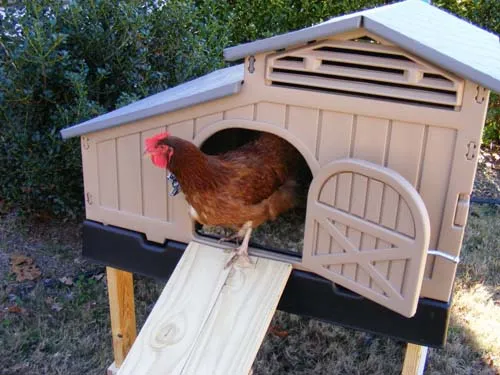
What is a Snap Lock Chicken Coop?
A snap lock chicken coop is a type of poultry housing known for its ease of assembly and often, its portability and convenience. Unlike traditional coops that may require screws, nails, and extensive building knowledge, snap lock coops utilize a system where panels and components snap together, simplifying the construction process considerably. This design makes them an attractive option for beginner chicken keepers, those with limited space, or anyone looking for a quick and easy coop solution. These coops come in various sizes and styles, designed to accommodate different flock sizes and backyard setups, ensuring that there is a snap lock coop available for almost any need. The emphasis on ease of use, often combined with durable materials, makes them a practical and efficient choice for providing a safe and comfortable environment for chickens.
Benefits of Using a Snap Lock Chicken Coop
Choosing a snap lock chicken coop offers a multitude of advantages for both novice and experienced chicken keepers. Firstly, the unparalleled ease of assembly is a significant benefit. The snap lock mechanism eliminates the need for complex tools or carpentry skills, significantly reducing the time and effort required to set up the coop. Secondly, these coops are often constructed from durable, weather-resistant materials, protecting chickens from the elements and prolonging the coop’s lifespan. Thirdly, the often lightweight and modular design of snap lock coops makes them highly portable and versatile, allowing you to easily move the coop around your yard as needed. They are also generally designed with efficient space usage in mind, making them suitable for smaller backyards or urban environments. Finally, their design often prioritizes ease of cleaning and maintenance, helping to keep your flock healthy and your coop in excellent condition. This makes the snap lock coop an excellent choice for anyone seeking convenience and efficiency in chicken keeping. (Image: snap-lock-chicken-coop-overview.webp)
Easy Assembly and Disassembly

The hallmark of a snap lock chicken coop is its simple assembly process. The design usually features pre-cut panels, which fit together using a snap-and-lock mechanism, often requiring no tools beyond maybe a screwdriver or a rubber mallet to ensure secure connections. The instructions are typically straightforward, with clear diagrams that guide the user through each step of the process. Disassembly is equally simple, making it easy to move the coop or store it when not in use. This ease of assembly and disassembly not only saves time but also makes the coop accessible to a wider range of people, regardless of their building experience. The user-friendly design is a major selling point for anyone looking for a hassle-free chicken-keeping solution. (Image: easy-assembly-snap-lock-coop.webp)
Durability and Weather Resistance
Snap lock chicken coops are often constructed with durable materials designed to withstand various weather conditions. High-quality coops are frequently made from materials such as rot-resistant wood or durable plastics, ensuring they can endure rain, wind, and sunlight without significant deterioration. The construction methods used, such as interlocking panels and secure joints, contribute to the coop’s structural integrity, preventing the ingress of water and keeping the chickens safe and dry. Many models also feature weather-resistant roofs and elevated designs to provide additional protection against the elements and ground moisture. When choosing a snap lock coop, it’s important to consider the materials used and ensure they are appropriate for your local climate to ensure a long-lasting and reliable shelter for your chickens. (Image: durable-snap-lock-coop.webp)
Space Efficiency and Design
Snap lock chicken coops are often designed with space efficiency in mind, making them a great choice for smaller yards or urban environments. The compact designs maximize the available space, providing a comfortable living area for the chickens without taking up too much room. Many models feature innovative designs that incorporate nesting boxes, roosting bars, and integrated runs, maximizing the functionality within a limited footprint. The modular nature of these coops allows for flexibility in terms of placement, and some models can be easily expanded to accommodate a growing flock. When choosing a snap lock coop, consider the available space in your backyard and the number of chickens you plan to keep to ensure you select a coop that meets your needs while making efficient use of the available area. (Image: space-efficiency-design.webp)
Top 10 Tips for Choosing the Right Snap Lock Coop

Size and Capacity
Determine the appropriate size and capacity of the coop based on the number of chickens you plan to keep. Allow for a minimum of 4 square feet of floor space per chicken inside the coop, and more if they will be confined for extended periods. Consider the breed of your chickens, as larger breeds may require more space. Choose a coop that allows your chickens to move freely, roost comfortably, and have enough room for nesting boxes and food/water containers. Overcrowding can lead to stress, feather pecking, and health issues, so it is crucial to provide adequate space.
Material Quality
Check the material quality. Look for coops made from durable, weather-resistant materials such as pressure-treated wood, cedar, or heavy-duty plastic. These materials are more resistant to rot, pests, and the elements. Ensure that the materials used are safe for chickens and do not contain any harmful chemicals. The quality of the hardware, such as hinges, latches, and screws, is also important. Look for rust-resistant or galvanized hardware to ensure longevity and prevent corrosion.
Ventilation and Airflow

Adequate ventilation is crucial for chicken health. Ensure the coop has sufficient ventilation to prevent the buildup of ammonia, moisture, and heat. Look for coops with vents, windows, or screened areas that allow for good airflow. These should be designed to keep out rain and predators. Proper ventilation helps to regulate the coop’s temperature, reduce odors, and minimize the risk of respiratory illnesses. The design should promote fresh air circulation without causing drafts that could chill the chickens.
Predator Protection
Predator protection is paramount. Choose a coop with robust features to deter predators. Ensure the coop has secure latches, strong wire mesh, and no gaps where predators can enter. The wire mesh should be made of heavy-gauge wire and securely attached. Consider coops with features like buried wire mesh around the perimeter to prevent digging predators from gaining access. Elevating the coop can also help to deter some ground predators. Regularly inspect the coop for any signs of wear and tear and make necessary repairs to maintain its protective capabilities.
Top 10 Tips for Assembling Your Snap Lock Coop
Prepare Your Space

Before you begin assembling your snap lock coop, prepare your space. Choose a level and stable location, ideally away from standing water or excessive moisture. Clear the area of any obstacles, such as rocks, roots, or debris. Consider the coop’s orientation to maximize sunlight exposure while providing shade during the hottest parts of the day. Having a well-prepared space will make the assembly process easier and ensure the coop sits correctly. This could also include laying a base of gravel or paving stones for added stability and to help with drainage.
Follow the Instructions Carefully
Carefully read and follow the assembly instructions provided with your snap lock coop. These instructions are designed to guide you through the process step-by-step and ensure that all components are correctly installed. Pay close attention to any diagrams or illustrations. If you are unsure about a step, refer back to the instructions or contact the manufacturer for clarification. Rushing the process or skipping steps can lead to an unstable coop or incorrect assembly, so taking your time and carefully following the instructions will help ensure a successful build.
Secure the Panels
Assembling your snap lock coop requires you to securely fasten all panels together. Use the provided snap-lock mechanisms, screws, or other fasteners to connect the panels, ensuring a tight and secure fit. Make sure all joints are flush and properly aligned. Check that the panels are properly seated and locked together, as this is critical to the coop’s stability. If you are using screws, do not overtighten them, which can damage the material. A secure assembly will help to withstand the elements and provide protection for your chickens.
Attach the Roof

Properly attaching the roof is essential for weather protection. Ensure the roof panels are securely fastened to the coop structure. Use the recommended fasteners and follow the instructions to ensure a watertight seal. Check that the roof overhangs are properly aligned to prevent rain from entering the coop. Verify that the roof is securely attached and cannot be easily dislodged by wind. A well-attached roof will help keep your chickens dry and protected from the elements. (Image: attach-the-roof.webp)
Top 10 Tips for Maintaining Your Snap Lock Coop
Regular Cleaning
Regular cleaning is essential for maintaining a healthy coop environment. Remove droppings, soiled bedding, and spilled food regularly, ideally at least once a week, or more often if necessary. Clean the coop floor, walls, and nesting boxes with a coop-safe disinfectant. Replace the bedding with fresh, clean material. Regular cleaning helps to control odors, prevent the buildup of harmful bacteria, and reduce the risk of disease. Consider using a litter box system to make cleaning easier. The goal is to keep the coop as clean and hygienic as possible for the chickens’ health and well-being.
Inspect for Damage

Inspect your snap lock chicken coop regularly for any signs of damage, such as cracks, loose panels, or wear and tear. Look for any evidence of pests or predators, such as holes or gnaw marks. Check the hinges, latches, and other hardware to make sure they are in good working order. Address any damage promptly to prevent further deterioration or potential security issues. Regular inspections help you catch small problems before they become major ones, ensuring your coop remains safe and functional for your chickens. (Image: inspect-for-damage.webp)
Secure the Doors and Latches
Ensure that all doors and latches are securely fastened. Regularly check the latches to make sure they are functioning correctly and cannot be easily opened by predators or the chickens themselves. Lubricate the hinges and latches as needed to ensure smooth operation. Consider adding additional security measures, such as a carabiner or a secondary latch, to provide extra protection against predators. Properly secured doors and latches are crucial for keeping your chickens safe from harm and preventing escapes.
Top 10 Tips for Maximizing Coop Efficiency
Optimal Placement

Choose the right location for your snap lock chicken coop. Place it on a level surface away from areas prone to flooding. Provide both sun and shade. Ideally, the coop should get some morning sun and be shaded during the hottest part of the day to help regulate the temperature. Consider the prevailing winds, and position the coop to provide some protection from strong gusts. Ensure easy access for cleaning, feeding, and watering. Good coop placement will contribute to the health and happiness of your chickens. (Image: coop-placement-tips.webp)
Provide Adequate Space
Ensure that your chickens have enough space. Overcrowding can lead to stress, feather pecking, and increased disease. Follow the recommended space guidelines for your breed. Provide adequate space for roosting, nesting, and foraging. Consider adding a run or expanding the coop if your flock grows. Adequate space contributes to the overall well-being and productivity of your chickens, allowing them to thrive in a healthy environment. Provide enough room for the chickens to move freely inside the coop and in any attached run.
Ensure Proper Ventilation
Ensure proper ventilation in the snap lock chicken coop. Good ventilation is essential for removing moisture, ammonia, and excess heat. Proper ventilation prevents respiratory issues and keeps the coop environment clean. Make sure the vents are positioned to allow for airflow without creating drafts. During colder months, ensure that the vents are properly protected to avoid freezing. Ventilation helps maintain a healthy and comfortable environment for your chickens.
Top 10 Tips for Raising Healthy Chickens in a Snap Lock Coop
Nutrition and Diet
Provide a balanced and nutritious diet for your chickens. Choose a high-quality feed formulated for their age and breed. Supplement their diet with fresh greens, fruits, and vegetables to provide vitamins and minerals. Avoid overfeeding, and always provide access to clean, fresh water. Nutritional deficiencies can lead to health problems, so ensuring a proper diet is crucial for keeping your chickens healthy and productive. A varied diet enhances the chickens’ overall well-being and the quality of their eggs.
Provide Fresh Water
Always provide clean, fresh water. Water is essential for chickens’ health. Change the water daily, especially in hot weather, and clean the water containers regularly to prevent the growth of algae and bacteria. Consider using a waterer that is easy to clean and refill. Ensure the water is accessible at all times, and place the waterer in a shaded area to prevent the water from getting too warm. Fresh water is crucial for digestion, temperature regulation, and overall chicken health. Clean waterers are key to preventing diseases.
Monitor for Illness
Regularly monitor your chickens for signs of illness. Be observant of their behavior, activity level, and any changes in their appearance. Look for symptoms such as a runny nose, coughing, sneezing, or lethargy. Quarantine any sick birds immediately and consult with a veterinarian. Early detection and treatment can prevent the spread of disease and save your flock. Cleanliness, proper nutrition, and regular health checks contribute to a healthy flock. Prompt action can save your chickens and prevent widespread problems. (Image: healthy-chickens-snap-lock-coop.webp)
Top 10 Innovative Snap Lock Coop Features
Integrated Nesting Boxes
Many snap lock coops feature integrated nesting boxes, which are specifically designed and built into the coop structure. This provides a dedicated space for hens to lay their eggs, making it easier to collect eggs and keeping them clean. The nesting boxes are typically positioned for easy access from the outside, which is a convenient design feature. Integrated nesting boxes create a comfortable, private, and safe environment for egg-laying. This design also helps to make the most of available coop space. (Image: integrated-nesting-boxes.webp)
Automated Door Systems
Automated door systems are an innovative feature that enhances the convenience and safety of snap lock chicken coops. These systems allow you to automatically open and close the coop door at set times, providing security and protection for your chickens. This feature is especially helpful for busy chicken keepers or those who cannot be at the coop at dawn and dusk. Automated doors can be controlled by a timer, a light sensor, or a remote control, and provide peace of mind and reduce the risk of predator attacks.
Predator-Proofing Technology
Modern snap lock coops incorporate advanced predator-proofing technology to enhance the safety of the chickens. These features can include reinforced wire mesh, secure latches, and buried wire skirts to prevent digging. Some coops include features such as automatic door locks and sensor systems to detect predator activity. Predator-proofing technology helps to protect your chickens from threats like foxes, raccoons, and other unwanted visitors. Choosing a coop with these features helps you protect your flock and provide peace of mind.
Final Thoughts
The snap lock chicken coop presents a practical, convenient, and often aesthetically pleasing solution for backyard chicken keeping. These coops offer a unique blend of ease of assembly, durability, and smart design features that make them a popular choice for both beginners and seasoned poultry enthusiasts. From their user-friendly construction to their predator-resistant designs, snap lock coops offer a secure and comfortable environment for your chickens, allowing you to enjoy fresh eggs and the companionship of your flock with minimal effort. With the many available styles, sizes, and additional features, you’re sure to find the perfect snap lock coop to suit your backyard and chicken-keeping needs. Embrace the benefits and start enjoying the rewarding experience of raising chickens in a safe, efficient, and attractive snap lock coop.