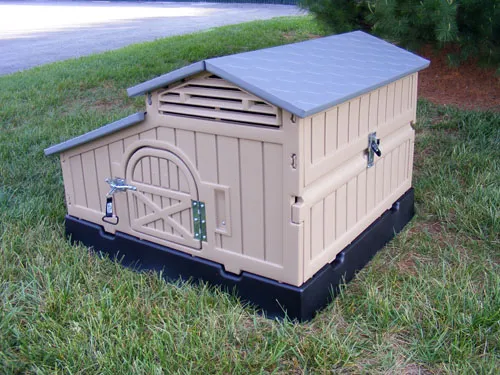
What is a Snaplock Chicken Coop?
A Snaplock chicken coop is a type of chicken coop known for its ease of assembly, often using a snap-together design, hence the name. This construction method typically eliminates the need for screws, nails, or complicated tools, making it an attractive option for those who want a quick and straightforward coop setup. Snaplock coops are often made from durable materials such as high-quality plastic or treated wood, designed to withstand various weather conditions and provide a safe, secure environment for your chickens. They are a popular choice for beginner chicken keepers and those looking for a hassle-free coop solution.
Benefits of Choosing a Snaplock Chicken Coop
Choosing a snaplock chicken coop offers several advantages that make it a compelling option for chicken keepers. The primary benefit is its ease of assembly and disassembly. This feature is particularly appealing for those who may not have extensive DIY experience or who prefer a less time-consuming project. Snaplock coops are often designed to be lightweight and portable, allowing for easy relocation within your yard. Furthermore, they usually provide a secure and predator-resistant environment. The materials used in these coops are designed to be robust and weather-resistant, ensuring your chickens are protected from the elements and potential threats. They also come in a variety of sizes and designs, offering flexibility to fit different backyard setups and flock sizes.
Easy Assembly and Disassembly

One of the standout benefits of a snaplock chicken coop is its ease of assembly and disassembly. The snap-together design eliminates the need for complex tools or specialized skills, making the construction process simple and quick. This is particularly beneficial for those new to chicken keeping or those who want a hassle-free setup. Disassembly is just as easy, allowing for convenient cleaning, relocation, or storage when needed. The straightforward construction also means that if a part is damaged, it can often be easily replaced without having to dismantle the entire coop. This design makes the coop a practical and user-friendly choice for chicken owners of all experience levels.
Durable Construction
Snaplock chicken coops are known for their durable construction, which is a crucial factor in ensuring the safety and longevity of the coop. They are often made from robust materials such as high-density polyethylene (HDPE) plastic or pressure-treated wood, designed to withstand harsh weather conditions and resist wear and tear. HDPE plastic coops are especially resistant to rot, pests, and extreme temperatures, making them a low-maintenance option. Wooden coops are often treated to prevent decay and insect infestation. The sturdy construction ensures that the coop can withstand the elements, providing a secure shelter for your chickens, and minimizes the need for frequent repairs or replacements, offering a cost-effective solution over time.
Weather Resistance
Weather resistance is a critical aspect of any chicken coop, and snaplock coops are designed with this in mind. The materials used, such as high-density plastic or treated wood, are naturally resistant to moisture, preventing rot and decay. The construction of these coops often includes features like angled roofs to allow for efficient water runoff and prevent water pooling. The tight-fitting snap-together design helps to minimize drafts and keep the interior dry, providing a comfortable and healthy environment for your chickens, regardless of the weather. This weather-resistant design ensures the longevity of the coop and protects your chickens from the elements, making it a reliable choice in various climates.
Step-by-Step Guide to Building Your Snaplock Chicken Coop
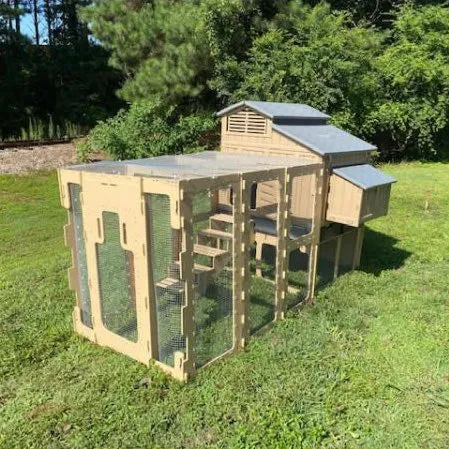
Building a snaplock chicken coop is a straightforward process, making it accessible for beginners. The following steps will guide you through the assembly, ensuring a secure and comfortable home for your chickens. Always refer to the manufacturer’s instructions provided with your specific coop model for the most accurate guidance. Preparing the site and gathering materials is the first step, followed by base assembly, then wall and roof panel installation. Adding accessories such as roosting bars and nesting boxes completes the basic structure. Regular maintenance and care will ensure the coop’s longevity and the health of your flock.
Preparing the Site and Gathering Materials
Before you start assembling your snaplock chicken coop, you’ll need to prepare the site and gather all the necessary materials. Choose a level location in your yard, preferably in a spot that offers both sun and shade throughout the day. Ensure the site is well-drained to prevent water accumulation. Next, unpack the coop components and check the inventory against the parts list provided in the instructions. You’ll typically need a level, a screwdriver or drill (if required by the model), and perhaps gloves for protection. Having all materials and tools at hand will streamline the assembly process, making it more efficient and enjoyable.
Base Assembly
The base is the foundation of your snaplock chicken coop. Start by assembling the base frame, typically by snapping the corner pieces together. Some models may require screws or bolts for added stability. Ensure that the base is square and level before proceeding. Attach any floor panels or base supports according to the manufacturer’s instructions. A secure and level base is crucial for the stability of the entire structure. Double-check all connections to ensure they are tightly sealed. Correctly assembling the base will provide a solid foundation, making the rest of the assembly process much easier and ensuring your coop can withstand the weight of the walls and roof.
Wall and Roof Panel Installation

After completing the base, the next step is to install the wall panels. Snap the wall panels into the base frame, ensuring that they fit snugly and securely. Follow the manufacturer’s guide for panel order and orientation. Once the walls are in place, it’s time to install the roof panels. Align the roof panels and snap them into place, ensuring they create a weather-tight seal. Make sure all panels are properly aligned and secured. This step is crucial for protecting your chickens from the elements. Double-checking that all panels are properly connected will prevent drafts and water leaks.
Door and Window Installation
Installing the door and windows is another important part of assembling your snaplock chicken coop. Attach the door frame to the wall, ensuring it is aligned correctly and swings smoothly. Secure the door hinges and latch to ensure that it closes tightly and prevents predators from entering. If your coop has windows, install them according to the manufacturer’s instructions, typically by snapping or screwing them into the designated openings. Ensure that the windows are securely fastened to prevent drafts and offer ventilation. Check the operation of the door and windows to confirm they work effectively and provide both access for you and ventilation for your chickens. Regularly inspect the door and windows and make any necessary adjustments to maintain their proper function.
Adding Accessories (Roosting Bars Nesting Boxes)
Once the main structure of the coop is assembled, it’s time to add the essential accessories. Install the roosting bars at a comfortable height inside the coop, where your chickens can perch to sleep. Typically, these are wooden or plastic bars designed to be easily cleaned. Next, install the nesting boxes, where your hens will lay their eggs. Place them in a sheltered and accessible location, often in a slightly elevated area. Follow the manufacturer’s instructions for the placement of these accessories, considering the needs of your chickens and ease of maintenance. These accessories are designed to provide a comfortable and functional living space for your chickens. Make sure to properly secure all accessories to ensure your chickens’ safety.
Maintenance and Care Tips for Your Coop

Proper maintenance and care are essential to ensure your snaplock chicken coop remains a safe, comfortable, and long-lasting home for your chickens. Regularly cleaning the coop, providing adequate ventilation, and protecting against predators are key aspects of maintaining a healthy environment. Regular inspections will help you identify any potential issues early on, allowing for timely repairs and preventing more serious problems. Consistent maintenance not only benefits the chickens but also helps to extend the life of the coop, making it a worthwhile investment. Implementing these practices will contribute to the well-being of your flock and the longevity of your coop.
Cleaning and Sanitizing
Regular cleaning and sanitizing are crucial for maintaining a healthy environment in your snaplock chicken coop. Remove droppings, soiled bedding, and any spilled food regularly. Depending on the number of chickens and your coop’s size, cleaning frequency can range from once a week to once a month. Use a coop-safe disinfectant to clean the interior surfaces thoroughly. Allow the coop to air out completely after cleaning before adding fresh bedding. Regular cleaning prevents the buildup of harmful bacteria, reduces unpleasant odors, and protects your chickens from diseases. Fresh bedding, such as straw or wood shavings, helps to absorb moisture and provide insulation.
Protecting from Predators
Predator protection is a critical aspect of chicken coop maintenance. Inspect your snaplock coop regularly for any potential vulnerabilities, such as loose panels or weak areas. Secure any gaps or openings with hardware cloth or sturdy fasteners. Ensure that the door latches are secure and difficult for predators to open. Consider adding additional security measures like buried hardware cloth around the perimeter of the coop to prevent digging. If necessary, use electric fencing or motion-activated lights to deter predators. Regularly check the area around your coop for signs of predators and take appropriate action to protect your chickens.
Common Problems and Solutions

Even with a well-built snaplock chicken coop, you may encounter some common problems. Understanding these potential issues and having solutions ready can help you maintain a healthy and secure environment for your chickens. Problems often include ventilation issues and pest control. Regular monitoring and proactive maintenance are vital for preventing these problems and addressing them promptly when they arise. By staying informed and prepared, you can ensure the well-being of your flock and the longevity of your coop.
Ventilation Issues
Proper ventilation is essential for a healthy chicken coop, and ventilation issues can lead to a buildup of moisture, ammonia, and poor air quality. If you notice excess moisture or condensation inside the coop, it is a sign of inadequate ventilation. Ensure that the coop has adequate vents, such as windows or vents in the roof, to allow for airflow. Avoid sealing the coop too tightly. Regularly inspect the vents to ensure they are not blocked by debris or nesting materials. Ensure the coop isn’t overcrowded, as more chickens produce more moisture and waste. Proper ventilation will help to regulate the temperature inside the coop and reduce the risk of respiratory issues in your chickens.
Pest Control
Pest control is another common challenge in chicken coops. Pests like mites, lice, and rodents can be a nuisance and potentially harmful to your chickens. Regularly inspect your coop for signs of pests, such as droppings, eggs, or the pests themselves. Use a coop-safe insecticide or diatomaceous earth to control pests, applying it according to the product’s instructions. Clean the coop regularly to remove any potential food sources. Seal any cracks or openings where pests could enter, and consider using hardware cloth or other barriers to prevent rodents. Regularly checking and maintaining the coop will protect your chickens from these harmful pests and keep your coop a healthy environment.