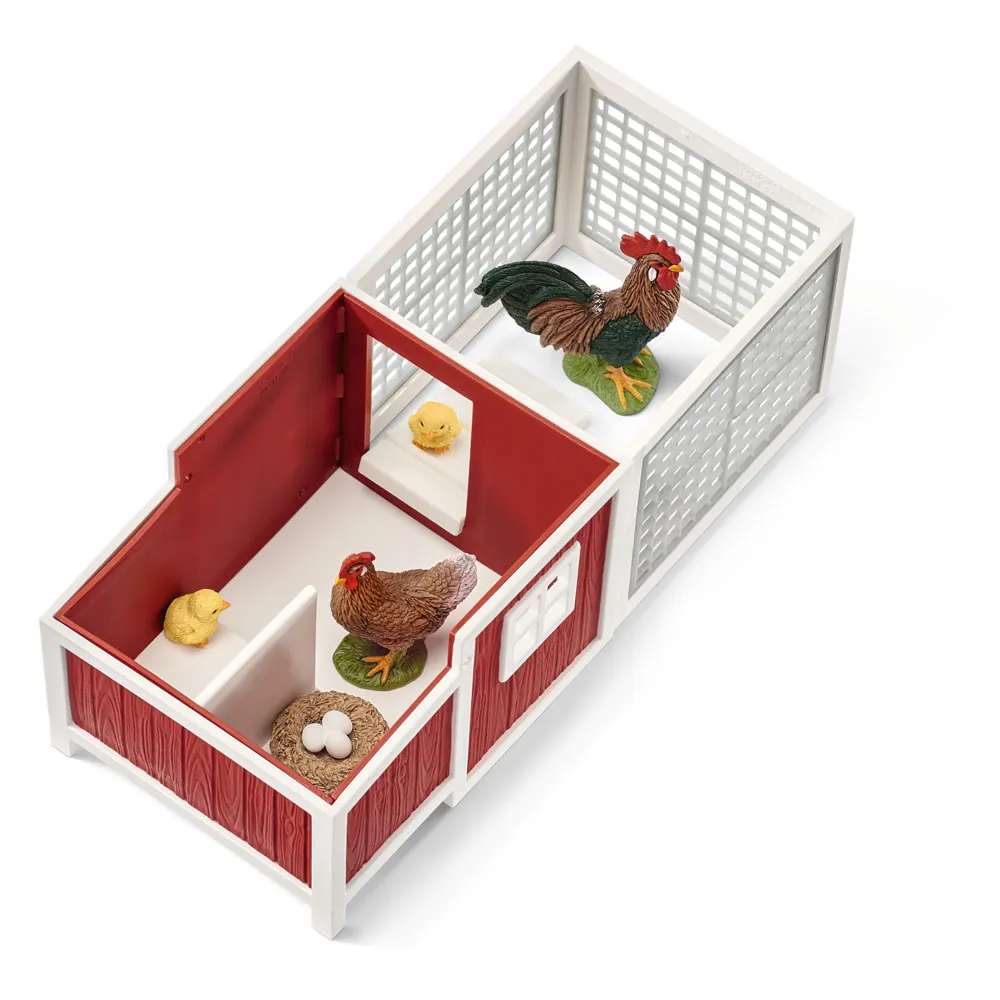
What is a Toy Chicken Coop?
A toy chicken coop is a miniature version of a real chicken coop, designed specifically for children to play with. These delightful playthings often feature small, toy chickens, and can be made from a variety of materials such as wood, plastic, or fabric. They’re more than just toys; they’re educational tools that can spark a child’s imagination and teach them about animal care and responsibility in a fun and engaging way. The setups vary significantly, offering different levels of complexity and features, catering to a wide range of ages and interests. They provide a safe space for children to interact with the concept of raising chickens, without the real-world responsibilities and potential hazards.
Benefits of Having a Toy Chicken Coop
Toy chicken coops offer a multitude of benefits, far exceeding just simple entertainment. They are designed to stimulate kids’ creativity, foster a sense of responsibility, and provide fun that extends beyond just play. They can be a fantastic tool for early childhood education, giving children an early introduction to the concepts of animal care, which can translate into a deep sense of empathy and respect for living creatures. These toys offer a unique blend of education and enjoyment, making them a valuable addition to any child’s toy collection. Furthermore, they encourage imaginative play, allowing kids to create stories and scenarios that improve their cognitive and social skills.
Educational and Fun

One of the primary benefits is the educational value. Toy chicken coops can teach children about the basic needs of animals, such as providing food, water, and shelter. Kids can learn about the life cycle of chickens, different breeds, and the importance of keeping the coop clean. This understanding fosters empathy and a sense of responsibility for the well-being of others. Moreover, they are undeniably fun! The interactive nature of these toys encourages children to engage in imaginative play, creating stories and scenarios that boost their cognitive and social skills. This makes them an excellent tool for both entertainment and learning.
Encourages Responsibility
The toy chicken coop can be an excellent way to instill a sense of responsibility in children. When they are responsible for taking care of their toy chickens, they learn about commitment and follow-through. This can be a stepping stone to more significant responsibilities as they grow. It teaches them the importance of routine and the consequences of neglect, building a foundation of responsible behavior. This simulated experience helps children understand the commitment involved in caring for pets and other living creatures. The simple act of providing food and water, or cleaning the coop, can instill a sense of accomplishment and self-worth in children.
Promotes Creativity
Toy chicken coops encourage imaginative play, allowing children to create their own stories and scenarios. They can pretend to be farmers, chicken owners, or even veterinarians. This imaginative play boosts their creativity and enhances their storytelling abilities. Kids can build a whole world around their coop, from designing the surrounding landscape to inventing adventures for their toy chickens. This allows children to express themselves freely and develop their critical thinking skills. The creative possibilities are endless, from designing a whole environment to creating adventures.
Choosing the Right Toy Chicken Coop

Selecting the right toy chicken coop involves several factors, including size, materials, and features. Consider the child’s age and interests, along with the available space, before making your decision. There are many different models on the market, each with its unique features and design. The best choice will depend on your child’s specific needs and your overall budget. Taking these elements into consideration will ensure you choose a toy that is both enjoyable and durable. Researching different brands and reading reviews can also provide useful insights into the quality and practicality of each coop.
Size and Space Requirements
The size of the coop should correspond to the space available in the play area. Consider the dimensions of the coop and how it will fit within the child’s play space. Larger coops offer more room for play and accessories, but they might not be suitable for smaller areas. Make sure there’s enough room for the child to comfortably interact with the coop. In addition to the physical size, the layout of the play area can influence the choice. Assess the space where the toy chicken coop will be placed. Keep in mind that a well-placed toy can also contribute to a child’s learning environment.
Material and Durability
The material of the coop plays a critical role in its durability and longevity. Wooden coops offer a classic look, are often more sturdy and can withstand rough play. Plastic coops are lightweight, easy to clean, and resistant to weather damage, while fabric coops can be soft and safe for younger children. The material should be non-toxic and safe for children. Look for products made of high-quality materials, ensuring that the toy will withstand regular use. Durability directly impacts the toy’s lifespan, so opt for materials that can endure the wear and tear of playtime.
Features to Consider

Consider the features offered by each toy chicken coop. Some may include nesting boxes, ramps, or fences, adding to the play experience. Other accessories might include toy chickens, feeders, waterers, and cleaning tools. These additional features can enhance the play experience and encourage imaginative play. Look for a coop that has enough features to keep the child engaged and entertained. Additional features like opening doors and removable parts can provide even more interactive possibilities. Consider coops with special features for different levels of play to ensure long-term enjoyment.
Setting Up Your Toy Chicken Coop
Setting up a toy chicken coop is a simple process that can often be done with minimal effort. The instructions will vary depending on the model, so make sure to follow the manufacturer’s guidelines. The first step is to choose the right location and then assemble the various components. Adding accessories and ensuring everything is set up correctly is crucial for creating a fun and safe play environment. A well-set-up coop provides a great setting for children to play and learn, boosting their enjoyment and enriching the toy experience.
Placement and Location
Select a safe and accessible location for the toy chicken coop, preferably indoors. The placement should be free of hazards, such as sharp edges, or potential tripping points. Ensure the area is well-lit and allows for easy access. A dedicated play area is ideal, as it provides a space specifically for the toy. Choose a location where the coop will not be exposed to excessive heat or sunlight, which could damage the toy. Ensure enough space around the coop for the child to move around freely, encouraging interactive and engaging play. The perfect spot should be both accessible and safe, allowing your child to fully enjoy their toy.
Assembling the Coop

Follow the manufacturer’s instructions to assemble the toy chicken coop. The assembly process will vary, so it’s essential to refer to the specific guidelines provided. Most coops come with pre-drilled holes and easy-to-follow instructions. Often, you will need basic tools such as a screwdriver. Make sure to tighten all screws and connections securely to ensure the coop is stable and safe. Have an adult supervise this process to help with any difficult steps. Ensure each part is securely attached. After the initial setup, check regularly to make sure everything is intact and secure.
Adding Accessories
After assembling the coop, add the accessories, such as toy chickens, feeders, waterers, and cleaning tools. Arrange these items in a way that makes sense for the child, allowing them to easily access and interact with them. Consider adding other elements to the play area, such as miniature landscaping or fencing, to expand the play possibilities. The accessories and extra elements should be placed to create an environment that is engaging and inspires creativity. Arrange the accessories in a way that stimulates play, encouraging kids to invent their own scenarios. The right setup enhances the overall play experience.
Caring for Your Toy Chickens
Caring for toy chickens is an excellent way to teach children responsibility and empathy. It involves providing them with ‘food’ and ‘water,’ cleaning their coop, and ensuring they have a safe and comfortable environment. This hands-on experience helps kids learn the basics of pet care. It can be adapted to suit different ages, fostering a sense of responsibility and compassion. It also encourages imaginative play, as children often create stories and scenarios centered around caring for their toy chickens. It is a fun and rewarding experience for kids.
Providing Food and Water

Encourage the child to regularly provide food and water for the toy chickens. This can involve ‘filling’ feeders with toy food or refilling water containers. Teach the child that chickens need to eat and drink regularly, just like real animals. This routine teaches them the importance of consistency and commitment. It also shows them the connection between care and well-being. Providing food and water allows children to practice the fundamentals of caretaking. Regularly check the feeder and waterer to make sure the chickens always have what they need to stay ‘healthy’.
Maintaining a Clean Coop
Teach the child to regularly clean the toy chicken coop to maintain a hygienic environment. This involves removing any ‘waste’ and wiping down surfaces. Explain why cleaning is important for keeping the toy chickens healthy and happy. This teaches children about cleanliness and hygiene. Using the provided cleaning tools, create a routine for coop maintenance. Regular cleaning not only keeps the toy clean but also highlights the importance of a healthy environment. This lesson will help them create positive habits, fostering responsibility and cleanliness.
Playing and Interacting
Encourage imaginative play by allowing the child to interact with the toy chickens and the coop. Create scenarios, tell stories, and encourage the child to develop their own creative scenarios. This kind of play can stimulate their imagination and improve their storytelling skills. Playing allows kids to deepen their connection with the toy. Encourage children to imagine what life is like for chickens. Encourage the children to talk to their chickens, building their own personal stories. Making the process fun and engaging will make it more memorable.
Troubleshooting Common Issues

Like any toy, toy chicken coops can present certain issues. These can range from structural problems to challenges with play. Regular maintenance and a few troubleshooting tips can ensure your child gets the maximum enjoyment out of their toy. Addressing potential issues promptly will help maintain both the toy and the child’s interest. It will also ensure that the toy remains safe and in good condition. Being prepared for potential issues can prevent disruptions and ensure a smooth play experience.