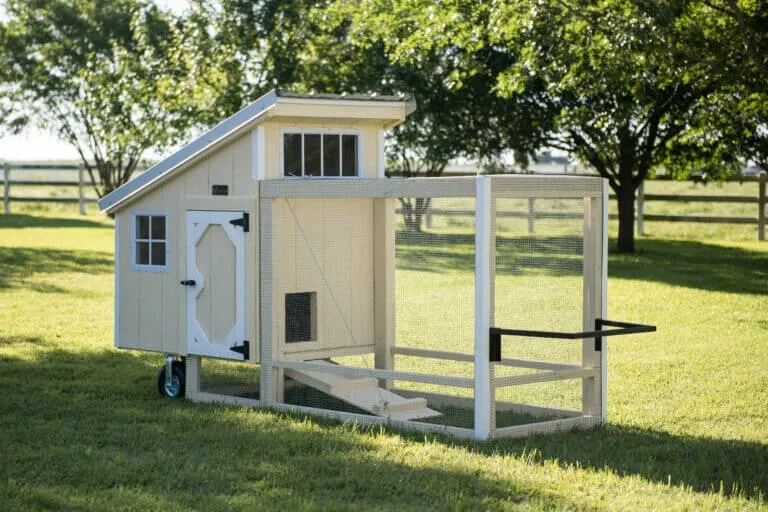
What is a Tractor Chicken Coop
A tractor chicken coop, often called a chicken tractor, is a mobile chicken coop that allows you to move your chickens around your yard or pasture. This innovative design offers numerous benefits for both the chickens and the environment. Unlike stationary coops, a tractor coop provides fresh grass, reduces the buildup of waste in one area, and offers protection from predators. The mobility of the coop is key, allowing you to rotate the chickens to different areas, enabling them to forage for food and naturally fertilize the soil.
Benefits of a Tractor Chicken Coop
Choosing a tractor chicken coop offers a multitude of advantages, making it a smart choice for any chicken keeper. The ability to move the coop has a direct impact on the health of the chickens and the land. Benefits range from improved pasture quality to reducing pest problems. The convenience and advantages of a mobile coop make it a superior option for sustainable and responsible chicken farming.
Improved Pasture Quality

By moving the coop regularly, you prevent overgrazing in any single area. Chickens naturally fertilize the ground with their manure, which, when distributed evenly, enriches the soil. This helps create healthier, more productive pastures. The constant movement also prevents the build-up of parasites and diseases that can be common in fixed coops.
Reduced Pest Problems
The mobility of the coop also helps control pests. Chickens are natural pest controllers, consuming insects, weed seeds, and other unwanted organisms. By moving the coop, you can target specific areas, effectively reducing the pest population in your garden or pasture. This is a natural and eco-friendly way to manage pests without using chemicals.
Sustainable Chicken Keeping
A tractor chicken coop promotes sustainable chicken keeping by allowing the chickens to forage naturally. This reduces the need for supplemental feed and provides the chickens with a more varied and nutritious diet. The coop’s design also helps to minimize waste and maximize the use of resources, making it an environmentally friendly choice for raising chickens. Sustainable farming practices are at the core of the tractor coop’s design.
Planning Your Tractor Chicken Coop

Planning your tractor chicken coop is a crucial step in ensuring its success. Thoughtful planning includes choosing the right location, gathering essential materials, and designing the coop for your specific needs. A well-planned coop will be more durable, easier to manage, and provide a safe and comfortable environment for your chickens. Before you start building, take the time to consider these important factors.
Choosing the Right Location
The location of your tractor chicken coop is important. Select a spot that offers a balance of sun and shade. Consider the prevailing winds and protect the coop from harsh weather conditions. The area should also be relatively level to make construction and movement easier. Proximity to a water source is beneficial for ease of maintenance. Also, ensure the location is safe from predators.
Assessing Sunlight and Shade
Chickens need both sunlight and shade. In the hot summer months, shade will protect them from overheating, while in the colder months, sunlight helps them stay warm. Observe the location throughout the day to determine how the sun moves and make sure the coop has a suitable balance. You can use trees, bushes, or the coop’s own design to provide shade.
Considering Soil Drainage

Proper drainage is essential to prevent the coop from becoming muddy or swampy, which can lead to health problems for your chickens. Choose a location where water drains well. If necessary, consider adding a layer of gravel or creating a slight slope to improve drainage. Good drainage also helps prevent the buildup of ammonia from chicken waste, keeping the coop environment healthier.
Gathering Materials for Your Coop
Once you have a plan in place, gather the necessary materials. A well-stocked supply of quality materials will ensure that your tractor chicken coop is durable and functional. Consider factors such as climate and predator protection when selecting your materials. Proper planning at this stage will save you time and money in the long run.
Essential Building Materials
You will need wood for the frame, siding, and roof. Choose rot-resistant wood like cedar or pressure-treated lumber for the frame. Chicken wire or hardware cloth is crucial for the walls and doors to protect against predators. You will also need roofing materials, such as shingles or corrugated metal. Screws, nails, hinges, and latches are also essential for assembling the coop.
Tools You’ll Need

Essential tools include a saw, hammer, drill, measuring tape, level, and staple gun. A circular saw or miter saw is useful for cutting lumber accurately. A drill will be needed for driving screws, and a staple gun will be necessary for attaching chicken wire. Safety glasses and work gloves are essential when working with these tools. A good set of hand tools can make the building process a lot easier.
Building the Coop Frame
The frame is the structural foundation of your tractor chicken coop. Building a sturdy frame is vital for the coop’s stability and longevity. The frame needs to be strong enough to withstand the weight of the roof, the chickens, and potential weather conditions. A well-built frame will also make it easier to move the coop.
Constructing the Base and Walls
Start by constructing the base of the coop, ensuring it is square and level. Then, build the walls, making sure they are plumb and securely attached to the base. Use corner braces to reinforce the frame and add stability. Consider the height of the walls, ensuring they are high enough for the chickens to move around comfortably, but low enough to make the coop manageable.
Building the Roof and Securing

The roof protects the chickens from the elements. Choose a design that sheds water and provides shade. Attach the roof securely to the frame, using appropriate fasteners. Consider adding an overhang to the roof to protect the walls from rain. Make sure the roof is properly sealed to prevent leaks. A well-built roof will ensure the chickens are safe and comfortable in all weather conditions.
Installing the Chicken Wire and Doors
Cover the walls and any openings with chicken wire or hardware cloth to provide ventilation while keeping predators out. Attach the wire securely to the frame with staples or screws. Build doors for easy access to the coop for cleaning and collecting eggs. Ensure the doors are secure and predator-proof. Check that all openings are covered to keep the chickens safe.
Creating a Movable Base
The mobility of the tractor chicken coop is one of its most defining features. A movable base allows you to easily relocate the coop to different parts of your yard. There are many ways to create a mobile base, but the most important aspect is to make it easy to move and secure. Here’s how you can approach building a mobile base for your coop.
Adding Wheels for Mobility

Attaching wheels is a common method of making a coop mobile. Consider using large, heavy-duty wheels that can handle various terrains. Ensure the wheels are securely attached to the base. Some designs include a handle or tow bar for easy maneuvering. Make sure the wheels are positioned so that the coop remains stable when stationary.
Reinforcing the Structure
Add reinforcement to the base and frame to ensure the coop can withstand the movement. Diagonal bracing can add significant strength to the structure. Consider the weight of the coop and the terrain when choosing the wheels and the supporting structure. Make sure the frame is built from durable materials, able to handle both the weight of the chickens and the movement.
Setting Up Interior Features
The interior features of your tractor chicken coop should be designed to meet the needs of your chickens. This includes comfortable nesting boxes, roosting bars, and access to food and water. The design should prioritize the health, safety, and comfort of the chickens. Proper interior design will make it easy to maintain the coop.
Creating Nesting Boxes

Nesting boxes provide a safe and private space for hens to lay their eggs. Place the boxes in a quiet, shaded area. Ensure the boxes are large enough and lined with soft bedding like straw or wood shavings. Make sure the boxes are easy to access for egg collection. Nesting boxes help make the egg-laying process a pleasant one for your hens.
Adding Roosting Bars
Roosting bars provide a place for the chickens to sleep at night. Position the bars at a comfortable height and away from the nesting boxes. Ensure that there is enough space on the bars for all your chickens. The bars should be made of smooth, rounded wood for comfort. Roosting bars are essential for a healthy and happy chicken coop.
Incorporating a Water and Feeding System
Install feeders and waterers that are easy to access and keep clean. Position the feeders to minimize waste and prevent contamination. Choose waterers that provide a constant supply of fresh water. Regular cleaning of the feeders and waterers is essential for preventing disease. A well-designed feeding and watering system simplifies chicken care.
Introducing Your Chickens
Once your tractor chicken coop is complete, the next step is introducing your chickens. The process should be done carefully, prioritizing the chickens’ well-being. Proper acclimation is crucial for helping your chickens adjust to their new home and ensuring their health and happiness. The chickens’ adjustment to their new environment is an important step.
Acclimation Process
Introduce the chickens to the coop gradually. Allow them to explore the coop at their own pace. Ensure there is fresh water and food available. Monitor the chickens closely for any signs of stress or illness. It may take several days for the chickens to get used to their new surroundings. Keep the environment calm and safe to help them adjust.
Monitoring and Care
Once the chickens are settled, continue to monitor them for signs of illness or distress. Provide fresh water and food daily. Check the coop regularly for cleanliness and maintain the environment to prevent disease. Provide appropriate care, and your chickens will thrive. Regular monitoring is essential for keeping your chickens healthy.
Maintaining Your Tractor Chicken Coop
Regular maintenance is essential for keeping your tractor chicken coop in good condition. Routine cleaning and maintenance will extend the life of the coop and keep your chickens healthy and happy. A well-maintained coop is easier to manage and provides a better environment for your chickens. Consistent maintenance is an important part of responsible chicken keeping.
Regular Cleaning and Maintenance
Clean the coop regularly, removing droppings and replacing the bedding. A clean coop reduces odors and prevents the buildup of harmful bacteria. Inspect the coop for any damage and make repairs as needed. Check the hardware for wear and tear and replace it when necessary. Keeping the coop clean and maintained is important for the health and well-being of your chickens.
Pest Control Strategies
Implement pest control measures to protect your chickens. This might include using diatomaceous earth to control mites and lice. Regularly inspect the coop for signs of pests and take action immediately if you find any. Keep the area around the coop clean to prevent the attraction of pests. Consistent pest control is essential for keeping your chickens healthy and comfortable.
Troubleshooting Common Issues
Be prepared to address common issues that may arise with your tractor chicken coop. This might include problems with predator attacks or disease. Learn how to identify and address potential issues. Ensure the coop is secure and that your chickens are protected. With careful planning and regular maintenance, you can avoid many issues and create a thriving chicken coop.