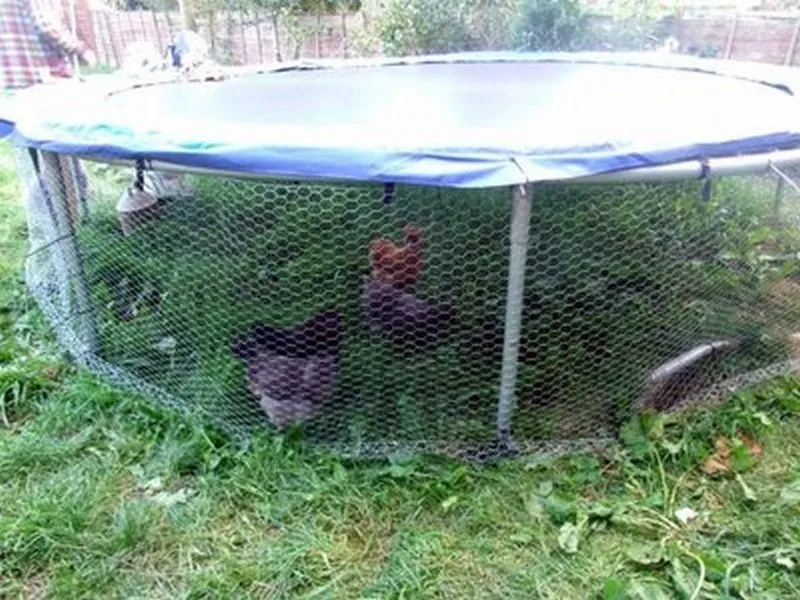
Why Build a Trampoline Chicken Coop?
Building a trampoline chicken coop is a unique and rewarding project, offering several advantages over traditional coops. Utilizing a trampoline as the base for your coop provides a novel approach to chicken housing, combining functionality with a touch of creativity. The trampoline’s structure offers inherent benefits that make it an attractive option for chicken keepers. This guide explores the various reasons why building a trampoline chicken coop can be a great idea for you, from the practical aspects to the innovative design elements. Discover how this unconventional coop design can provide a safe, comfortable, and enriching environment for your chickens while adding a fun element to your backyard.
Space Efficiency
One of the primary benefits of a trampoline chicken coop is its efficient use of space. The circular design of a trampoline, when incorporated into a coop, allows for a more streamlined layout compared to rectangular coops. The elevated structure maximizes ground space, leaving room beneath the coop for a shaded area, additional run space, or storage. This is especially advantageous for those with limited backyard space, as it optimizes the available area without compromising the chickens’ living conditions. The vertical dimension of the coop can also be better utilized, creating a multi-level environment that chickens enjoy exploring. The compact design is ideal for urban or suburban environments.
Cost Effective

Constructing a trampoline chicken coop can be a surprisingly cost-effective solution. Trampolines, particularly used ones, can often be acquired at a lower cost compared to purchasing new lumber and materials for a traditional coop. Recycling an old trampoline not only saves money but also promotes sustainability by repurposing existing materials. Furthermore, the design simplicity of a trampoline coop often translates into reduced material needs. This can significantly lower overall construction expenses. With careful planning and a bit of DIY effort, building a trampoline chicken coop can be an affordable way to provide a secure and comfortable home for your chickens without breaking the bank. Consider shopping around for materials to reduce costs even further.
Easy Cleaning
Maintaining a clean coop is crucial for the health and well-being of your chickens. The design of a trampoline coop often simplifies the cleaning process. The elevated structure allows for easy access to the coop floor, making it easier to sweep or hose down. The use of removable flooring materials, like linoleum or treated wood, can further facilitate cleaning by allowing for quick removal and replacement. Additionally, the open design promotes better ventilation, reducing moisture buildup and preventing the accumulation of odors. The ease of cleaning not only saves time and effort but also helps maintain a healthier environment for your flock, reducing the risk of disease and ensuring your chickens’ comfort. Regular cleaning is key for a happy flock.
Predator Protection
Protecting your chickens from predators is paramount, and a well-designed trampoline coop can offer enhanced security. The elevated structure makes it more difficult for predators like foxes, raccoons, and dogs to access the coop. The trampoline frame itself can be reinforced with hardware cloth or wire mesh, creating a robust barrier that prevents unwanted entry. Burying hardware cloth around the perimeter of the coop and run can deter digging predators. Securing the coop door with reliable latches and locks is also essential. By implementing these predator-proofing measures, you can significantly reduce the risk of losing your chickens to predators, providing peace of mind and ensuring your flock’s safety. Adding motion-activated lights can further deter nocturnal predators.
Planning Your Trampoline Chicken Coop

Before you begin construction, careful planning is crucial for a successful trampoline chicken coop. Thorough planning ensures that the final product meets your chickens’ needs while adhering to local regulations. Considerations include the number of chickens you plan to house, available space, and the specific requirements for your local climate and environment. Proper planning will also help you estimate material costs and the time required to complete the project. Create a detailed plan that includes the coop’s dimensions, placement of doors and windows, and the location of nesting boxes and perches. This will prevent issues during construction and ensure the coop functions effectively. Think about the aesthetic and how it will look in your yard.
Choosing the Right Trampoline
Selecting the right trampoline is the first step in this project. Consider the size and condition of the trampoline. A larger trampoline offers more space for your chickens, but you also need to ensure it fits your available yard space. Check the trampoline’s frame for rust or damage, and replace any compromised parts. The trampoline’s weight capacity is not as important as the frame’s integrity. Make sure the springs are secure and in good condition or plan to replace them. A round trampoline is often preferred due to its inherent stability and ease of building a coop around it. Ensure you have the necessary tools and any replacement parts before you begin dismantling or modifying the trampoline.
Considerations for Chickens
Understanding the needs of chickens is essential for a comfortable coop. Chickens require adequate space to move around, roost, and lay eggs. Provide at least 4 square feet of floor space per chicken inside the coop, and even more if possible. Install nesting boxes in a quiet, dark area of the coop, ensuring there is one box for every 3-4 hens. Chickens also need perches, ideally placed at different heights, for roosting at night. The coop must be well-ventilated to prevent moisture buildup and maintain a healthy environment. Ensure that the coop is designed to protect chickens from the elements, including sun, rain, and wind. Consider the breed of chickens you intend to keep, as different breeds have different space requirements and temperaments.
Building the Coop Frame

Constructing the frame is a fundamental step in building your trampoline chicken coop. This provides the structural foundation for the walls, roof, and other components. The approach to frame construction can vary based on the design you choose, but it generally involves reinforcing the existing trampoline frame or adding a new frame on top. Accurate measurements and careful cutting are key. Ensure that all joints are securely fastened using appropriate hardware, such as screws, bolts, or nails, depending on the materials. The frame’s stability determines the coop’s overall longevity and durability. Prioritize safety by wearing appropriate protective gear and following best practices throughout the build process. Consider reinforcing the frame, especially if it will be supporting a heavy roof.
Materials Needed
Gathering the necessary materials is essential before you begin construction. The specific materials will depend on your chosen design. You’ll likely need wood for the frame, walls, roof, and door. Choose weather-resistant wood like cedar or pressure-treated lumber for the exterior. You’ll also need hardware such as screws, nails, hinges, latches, and potentially bolts. For the walls and roof, you can use plywood, corrugated metal, or other suitable materials. Hardware cloth or wire mesh is essential for creating secure walls and preventing predator entry. Don’t forget about roofing materials, such as shingles or roofing felt, to protect the coop from the elements. Have all the necessary tools ready, including a saw, drill, measuring tape, level, and safety equipment. A comprehensive list of all the materials needed will reduce the risk of delays during the build.
Frame Construction
Begin by either reinforcing the existing trampoline frame or building a new frame on top. If reinforcing the existing frame, check all joints and connections, tightening or adding support as needed. If building a new frame, carefully measure and cut the wood pieces according to your design plan. Assemble the frame, ensuring that it is square and level. Use screws or bolts to securely fasten the frame pieces together. Consider adding corner braces for additional strength. Once the main frame is assembled, you can add additional supports, such as vertical studs and horizontal beams, to provide structural integrity. Ensure the frame can withstand the weight of the walls, roof, and any additional features, such as nesting boxes. The sturdier the frame, the more durable the coop will be.
Adding the Walls and Roof

Once the frame is complete, you can start adding the walls and roof. This step is about defining the coop’s enclosure and protecting your chickens from the elements. Select materials appropriate for weather resistance and predator protection. Ensure all wall and roof materials are firmly attached to the frame. This will contribute to the overall stability of the coop. Seal all gaps to prevent drafts and prevent rain from entering. Proper insulation in the roof and walls can also help regulate the coop’s internal temperature, keeping it warmer in winter and cooler in summer. Make sure to have sufficient ventilation, which can be achieved through vents in the roof or walls, to ensure airflow and moisture control. The final product should offer your chickens comfort and security.
Choosing the Right Materials
The materials you choose for the walls and roof significantly impact the coop’s durability and functionality. For the walls, consider using plywood, which is relatively easy to work with and provides a solid barrier. Alternatively, you could use corrugated metal siding, which is weather-resistant and durable. The roof can be constructed using plywood covered with shingles, roofing felt, or corrugated metal. When selecting materials, prioritize weather resistance and predator protection. Ensure that the materials are non-toxic and safe for your chickens. Consider the climate of your area and choose materials that can withstand extreme temperatures, heavy rain, or strong winds. Make sure that any wood you are using is treated with a chicken-safe product to prevent any harm to your chickens.
Securing the Walls and Roof
Properly securing the walls and roof is critical for protecting your chickens from the elements and predators. Attach the wall materials to the frame using screws or nails, ensuring that they are flush and evenly spaced. Seal any gaps with caulk or weatherstripping to prevent drafts and water from entering. For the roof, attach the roofing material to the plywood or frame according to the manufacturer’s instructions. Overlap the roofing materials to ensure that water runs off properly. Use screws or nails to secure the roof materials, and seal any seams with sealant. Ensure that the roof is securely attached to the frame to prevent it from being blown away by the wind. Double-check all fasteners and seals to provide the best possible protection for your coop.
Creating the Chicken Door and Run

The chicken door and run are essential components, providing access to the coop and a safe outdoor space for your chickens. The design and construction of these elements directly affect your chickens’ safety and well-being. You want a door that is easy for them to use and a run that offers sufficient space and protection. Thoughtful design here enhances the practicality and enjoyment of your trampoline chicken coop. Make sure it’s predator-proof and offers adequate space. This ensures the chickens have the freedom to roam and forage in a protected area.
Designing the Chicken Door
The chicken door must be the right size, easy to open and close, and secure against predators. Make sure that the door is large enough for the chickens to enter and exit comfortably. Use a durable material, such as wood or metal, for the door itself. Install hinges and a latch or lock that is easy for you to operate but difficult for predators to manipulate. You can also automate the door by installing an automatic chicken coop door opener that opens and closes at set times. The door should be located in an easily accessible location. Consider whether you want the door to open manually or automatically, and how it integrates with the run. Make the door safe and easy for your chickens to use, while also providing peace of mind.
Constructing the Chicken Run
The chicken run provides your chickens with a safe and enclosed outdoor space to forage, dust bathe, and exercise. Construct the run using hardware cloth or wire mesh to create a secure barrier. Bury the wire mesh several inches underground and extend it outwards to prevent predators from digging underneath. The run should be large enough to provide adequate space for your chickens, with at least 8-10 square feet per chicken recommended. Provide a shaded area within the run to protect the chickens from the sun. Place the run in a location that is well-drained and provides easy access to the coop. The run should be firmly attached to the coop, ensuring that there are no gaps or weak points where predators could enter. Provide a variety of environmental enrichments within the run, like branches to perch on and areas for them to forage.
Installing the Run

Proper installation of the run is crucial to ensure your chickens’ safety. Connect the run directly to the coop, ensuring a secure and predator-proof connection. Bury the wire mesh at least 12 inches deep, extending it outward to prevent digging predators. Make sure the run is firmly attached to the coop frame and that there are no gaps or weak points. Ensure the run is level and stable. Provide a secure gate or access point for you to enter the run for cleaning and maintenance. Check regularly for any signs of wear and tear or damage and repair it promptly. The installation ensures that the run will effectively serve its purpose of providing a secure and enriching environment for your flock.
Ensuring Chicken Comfort and Safety
Beyond the structural elements, creating a comfortable and safe environment inside the coop is important for your chickens’ well-being. Considerations for their comfort and safety include nesting boxes for egg laying, perches for roosting, and proper ventilation for airflow and reducing moisture buildup. By attending to these details, you create an environment that promotes the health, happiness, and productivity of your flock. Making sure your chickens are happy is a key factor to success.
Adding Nesting Boxes
Nesting boxes are essential for egg laying. Provide at least one nesting box for every 3-4 hens. Place the nesting boxes in a quiet, dark, and sheltered area of the coop. Make the boxes easily accessible for the hens but private enough to encourage egg laying. Use soft, clean bedding material, such as straw or wood shavings, in the nesting boxes. The nesting boxes should be large enough for the hens to comfortably sit and turn around. Regularly check and clean the nesting boxes to remove soiled bedding and prevent the build-up of pests. Choosing and positioning your nesting boxes well ensures a comfortable space for your hens to lay their eggs, making your flock more productive. Making it easy for them to lay eggs will reward you later.
Providing Perches

Perches provide chickens with a comfortable place to roost at night. Install perches at different heights to accommodate the chickens’ natural behavior. The perches should be made of a sturdy, non-toxic material, like smooth wooden dowels or branches. Ensure that the perches are wide enough for the chickens to comfortably grip. The perches should be positioned away from the nesting boxes and any areas where chickens might get trapped or injured. Provide adequate space between perches to avoid overcrowding. Perches help chickens feel secure and comfortable while they sleep, promoting their overall well-being. Choosing and positioning your perches well will contribute to the health and happiness of your flock.
Ventilation and Airflow
Proper ventilation is essential for maintaining a healthy environment inside your coop. Provide adequate airflow to remove moisture, ammonia, and other harmful gases. Install vents in the roof or walls, making sure that they are protected from rain and snow. Avoid placing vents directly above the nesting boxes or perches, to prevent drafts. Ensure that the coop is not completely sealed, as this can trap moisture and lead to respiratory problems in your chickens. Regularly check the vents to ensure that they are not blocked by debris or nesting materials. Make sure to protect the vents from predators with wire mesh. Adequate ventilation is a key factor in maintaining the health and well-being of your chickens, minimizing the risk of respiratory diseases, and reducing odors.
Maintaining Your Trampoline Chicken Coop
Regular maintenance is crucial for ensuring the longevity and functionality of your trampoline chicken coop. This involves regular cleaning, predator-proofing, and seasonal maintenance. A well-maintained coop not only extends its lifespan but also ensures the health and happiness of your chickens. Setting up a maintenance schedule and following through with it will save you time and effort in the long run. Regular maintenance includes everything from cleaning to pest control. By taking the time to maintain your coop properly, you’ll be able to enjoy your backyard chickens for years to come.
Cleaning and Sanitation
Regular cleaning and sanitation are essential to prevent the build-up of bacteria, parasites, and odors. Remove droppings and soiled bedding from the coop regularly, ideally every few days or weekly, depending on the number of chickens. Thoroughly clean and disinfect the coop at least twice a year, or more frequently if necessary. Use a coop-safe disinfectant to eliminate harmful microorganisms. Replace all bedding materials, such as straw or wood shavings, during cleaning. Ensure the coop is completely dry before reintroducing bedding. Regular cleaning prevents the spread of diseases and maintains a healthy environment for your chickens. Choose cleaning and sanitizing products that are safe for chickens and that won’t leave any toxic residue.
Predator-Proofing
Predator-proofing is an ongoing process. Regularly inspect the coop and run for any signs of damage or vulnerabilities. Repair any holes or weak points immediately. Ensure that all latches and locks are secure. Trim any vegetation around the coop that could provide cover for predators. Consider adding extra predator-proofing measures, such as hardware cloth buried around the perimeter of the coop and run. Install motion-activated lights to deter nocturnal predators. If you experience predator problems, consider using additional deterrents, such as electric fencing. Make predator-proofing a priority for protecting your chickens from potential threats. Always be proactive when it comes to predator prevention.
Seasonal Maintenance
Seasonal maintenance ensures that your coop is prepared for the changing weather conditions. In the spring, inspect the coop for any damage caused by winter weather and make any necessary repairs. In the summer, ensure that the coop is well-ventilated and provides shade to keep the chickens cool. In the fall, prepare the coop for colder temperatures by sealing any drafts and adding extra insulation. In the winter, provide additional protection from the elements, such as a windbreak or a heated water source. Adapt your maintenance schedule to the specific needs of your local climate and weather patterns. Taking the time for seasonal maintenance will make your coop more comfortable for your chickens, no matter the weather. Taking care of your coop will extend its lifespan.