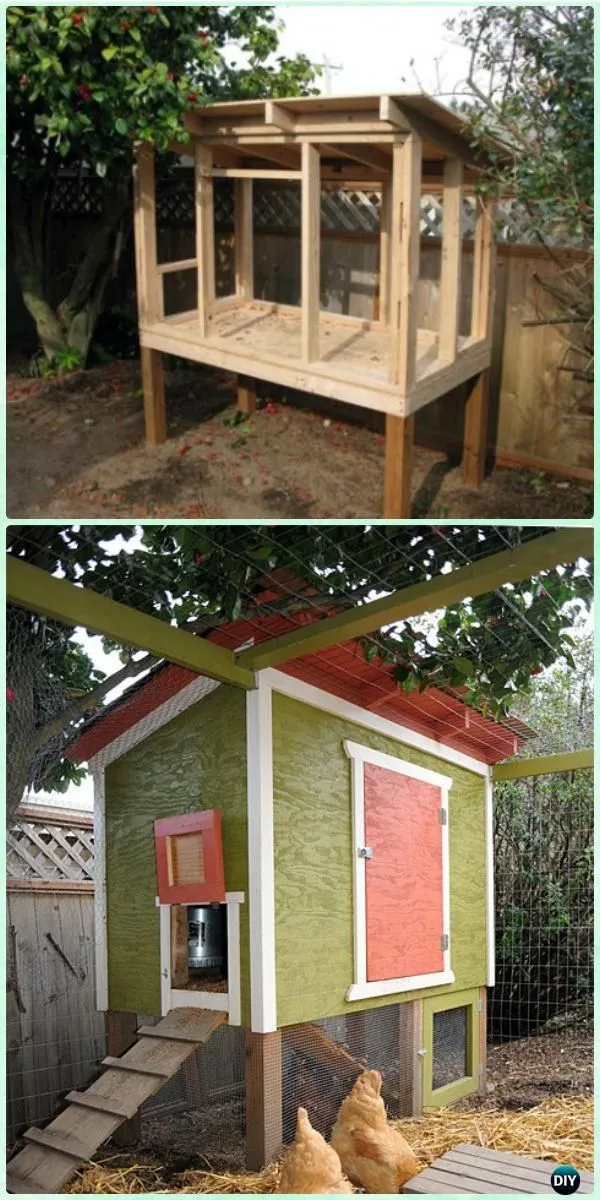
Embarking on the journey of building an urban chicken coop can be a rewarding experience, bringing fresh eggs and a touch of rural life to your backyard. However, success requires careful planning, adherence to local regulations, and a well-designed coop. This comprehensive guide will walk you through every step, from initial planning to daily management, ensuring you build a thriving urban chicken coop.
Planning Your Urban Chicken Coop
The foundation of any successful urban chicken coop project is thorough planning. This stage involves understanding local ordinances, determining the appropriate size and location for your coop, and setting realistic expectations for the time and resources required. Proper planning prevents costly mistakes and ensures a smooth transition into chicken keeping.
Local Regulations and Ordinances
Before you even think about laying the first brick or hammering the first nail, it’s crucial to investigate your local regulations. These ordinances vary significantly from city to city and even within different neighborhoods. Ignoring these rules can lead to fines or the forced removal of your coop, so due diligence is paramount.
Checking Zoning Laws
Zoning laws dictate what you can and cannot do on your property, including whether you can keep chickens and, if so, how many. Visit your local planning department or consult their website to find the specific regulations for your area. Pay close attention to restrictions on coop size, distance from property lines, and the types of chickens allowed (e.g., no roosters in residential areas).
Permitting Requirements
Some cities require a permit to build a chicken coop. This usually involves submitting plans for your coop, demonstrating compliance with zoning regulations, and paying a fee. Obtain the necessary permits before starting construction. This ensures your project is legal and can protect you from potential future problems.
Coop Size and Location
Choosing the right size and location for your coop is vital for the health and happiness of your chickens. A cramped coop leads to stress, disease, and lower egg production, while a poorly located coop can attract predators or annoy neighbors. Careful consideration of these factors will set the stage for a successful chicken-keeping experience.
Determining Coop Size Based on Flock Size

As a general rule, allow at least 4 square feet of floor space per chicken inside the coop and 8-10 square feet per chicken in the run. This allows for comfortable movement, roosting, and nesting. Overcrowding is a major problem, so plan for the number of chickens you intend to keep and consider future expansion if you anticipate adding more birds.
Optimal Coop Placement in Your Yard
Choose a location that provides both sun and shade, protects from prevailing winds, and is relatively easy to access for cleaning and maintenance. Avoid areas prone to flooding or with poor drainage. Consider the proximity to your house and your neighbors’ properties to minimize noise and odor complaints. Ensure the coop is placed away from potential hazards such as power lines or overhanging trees.
Building Materials and Design
The choice of materials and the design of your urban chicken coop significantly impact its longevity, security, and ease of maintenance. Selecting the right materials and incorporating thoughtful design features will create a safe and comfortable environment for your chickens while making your life easier.
Choosing the Right Materials

The best materials for an urban chicken coop are durable, weather-resistant, and easy to clean. Consider the local climate and the potential for predator attacks. Using quality materials upfront will save you time and money in the long run by reducing the need for repairs and replacements. Avoid materials that are toxic to chickens or easily degrade.
Wood vs. Metal Coops
Wood coops offer a natural aesthetic and are relatively easy to customize. However, they require regular maintenance to protect against the elements and may be more susceptible to predator attacks if not built properly. Metal coops are typically more durable and resistant to pests but can be more expensive and may not provide as much insulation. Consider your budget, aesthetic preferences, and the local climate when making your choice.
Durability and Weather Resistance
Ensure all materials are weather-resistant and can withstand the local climate’s conditions. Use pressure-treated lumber or rot-resistant wood for the frame and consider roofing materials that provide good protection from rain and sun. Properly seal all joints and seams to prevent drafts and moisture from entering the coop. Choose materials that are easy to clean and disinfect to maintain a healthy environment for your chickens.
Coop Design and Features

A well-designed coop includes features that promote chicken health, comfort, and security. Consider the needs of your chickens and the practicalities of cleaning and maintenance when planning the coop’s layout and features. Thoughtful design will make chicken keeping a more enjoyable experience for you and your flock.
Essential Features for Chicken Health
Include essential features like roosting bars, nesting boxes, and adequate ventilation. Roosting bars provide a place for chickens to sleep, nesting boxes offer a safe and private space for egg laying, and ventilation helps to control humidity and remove ammonia. Ensure the coop is well-insulated to regulate temperature, especially in extreme climates. Consider easy access for cleaning and collecting eggs.
Run Design and Security
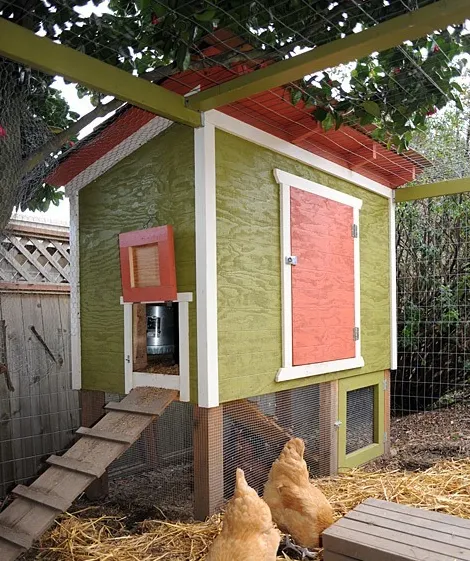
The run provides a secure outdoor space for your chickens to forage and exercise. Bury hardware cloth or wire mesh around the perimeter of the run to prevent predators from digging under the fence. Cover the top of the run with wire mesh to protect against aerial predators. Ensure the run has a secure door and latch and consider adding a covered area for shade and protection from the elements.
Constructing Your Urban Chicken Coop

With your plans finalized and materials gathered, it’s time to start building your urban chicken coop. This section provides a step-by-step guide to help you through the construction process, ensuring you build a coop that is safe, functional, and aesthetically pleasing. Proper construction is crucial for the long-term success of your chicken-keeping endeavor.
Step by Step Building Guide
Carefully follow your plans, and take your time to ensure accuracy and attention to detail. Measure twice, cut once. If you’re not experienced with construction, consider enlisting the help of a friend or hiring a professional to assist with more complex tasks. Safety is paramount, so always wear appropriate safety gear, including eye protection and gloves.
Foundation and Frame Construction
Start with the foundation, which may be a concrete slab, gravel base, or simply the existing ground. Build the frame of the coop, ensuring all corners are square and all measurements are accurate. Use sturdy lumber and secure all joints properly to create a robust structure. Consider adding skids to the bottom of the coop for easier movement if needed.
Wall and Roof Construction

Attach the walls to the frame, ensuring they are plumb and level. Use appropriate fasteners and construction techniques to create a weather-tight structure. Construct the roof, ensuring proper slope for water runoff. Choose roofing materials that are durable and provide adequate protection from the elements. Consider adding insulation to the walls and roof to regulate the internal temperature.
Installing Doors Windows and Ventilation
Install doors and windows, ensuring they open and close smoothly and provide adequate ventilation. Use secure latches and hinges to prevent predators from entering. Install vents, such as roof vents or soffit vents, to allow for proper airflow and prevent the build-up of ammonia and moisture. Ensure windows are protected with wire mesh to prevent chickens from escaping and predators from entering.
Adding a Chicken Run
Construct the run using sturdy wire mesh or hardware cloth, burying the edges to prevent digging predators. Ensure the run is securely attached to the coop and has a secure gate. Provide shade, such as a tarp or a partially covered area, to protect the chickens from the sun. Consider adding a variety of surfaces and enrichment items to keep the chickens entertained and prevent boredom.
Securing the Coop from Predators
Use secure latches and hinges on all doors and windows. Bury hardware cloth or wire mesh around the perimeter of the coop and run to prevent digging predators. Cover the top of the run with wire mesh to protect against aerial predators. Regularly inspect the coop and run for any signs of damage or potential entry points. Consider installing motion-activated lights or other deterrents.
Managing Your Urban Chicken Coop
Once your coop is built, the real work begins: managing your urban chicken coop. This involves daily care, maintenance, and monitoring your chickens’ health. A well-managed coop ensures the health and happiness of your chickens and provides a consistent supply of fresh eggs. Regular care is essential for a thriving backyard flock.
Daily Care and Maintenance
Establish a daily routine to care for your chickens. This includes collecting eggs, providing fresh food and water, and checking for any signs of illness or injury. Regularly inspect the coop and run for cleanliness and any potential hazards. Make adjustments to the routine based on the changing seasons and the specific needs of your flock.
Feeding and Watering Your Chickens
Provide your chickens with a balanced diet of high-quality chicken feed, supplemented with healthy treats like vegetables, fruits, and scratch grains. Ensure they have access to fresh, clean water at all times. Adjust the amount of feed based on the chickens’ age, breed, and activity level. Use feeders and waterers that are easy to clean and prevent waste.
Cleaning and Waste Disposal
Clean the coop regularly to prevent the build-up of ammonia and reduce the risk of disease. Remove droppings and replace bedding materials frequently. Dispose of waste properly, following local regulations for composting or disposal. Consider using a deep litter method, which involves adding fresh bedding materials regularly to compost waste in place.
Health and Safety
Maintaining the health and safety of your chickens is crucial for their well-being and the success of your urban chicken coop. This involves recognizing and preventing common chicken diseases and implementing strategies to protect your flock from predators. Vigilance and proactive measures are essential for ensuring a healthy and secure environment for your chickens.
Common Chicken Diseases
Learn to recognize the signs of common chicken diseases, such as respiratory infections, parasites, and nutritional deficiencies. Quarantine any sick birds immediately to prevent the spread of disease. Consult a veterinarian or poultry specialist for diagnosis and treatment. Practice good hygiene and biosecurity measures, such as regularly disinfecting the coop and run.
Predator Prevention Strategies
Protect your chickens from predators by securing the coop and run. Use secure latches and hinges on all doors and windows. Bury hardware cloth or wire mesh around the perimeter of the coop and run to prevent digging predators. Cover the top of the run with wire mesh to protect against aerial predators. Remove any potential hiding places for predators near the coop.
Benefits of Urban Chicken Coops
Raising chickens in an urban environment offers numerous benefits, both for you and the environment. From fresh eggs to educational opportunities, there are many reasons to consider adding an urban chicken coop to your backyard.
In conclusion, building and maintaining an urban chicken coop can be a rewarding experience, providing fresh eggs and a connection to nature. By following this guide, you can navigate the complexities of local regulations, design and construct a safe and secure coop, and manage your flock effectively. With careful planning, diligent care, and a little bit of effort, you can enjoy the many benefits of urban chicken keeping for years to come.