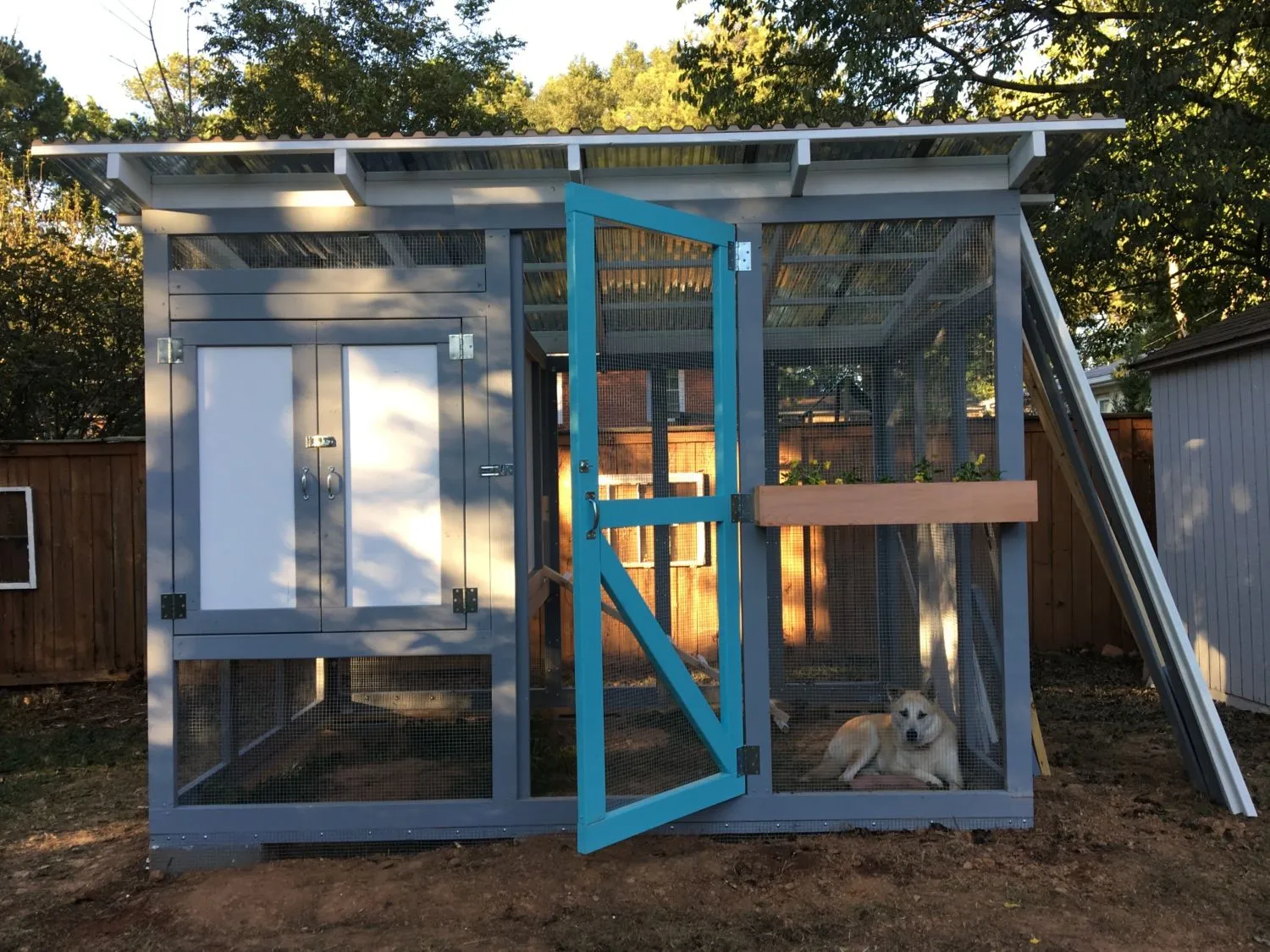
Bringing chickens into your urban backyard can be a rewarding experience, providing fresh eggs and a connection to nature. However, before you start, careful planning is crucial. This guide provides seven essential tips for establishing a thriving urban chicken coop, helping you navigate regulations, design considerations, and chicken care to ensure both your chickens and your neighbors are happy.
Planning Your Urban Chicken Coop
The foundation of a successful urban chicken coop lies in thorough planning. This initial step involves researching local ordinances and zoning regulations, as well as considering the physical aspects of your property. Understanding these elements will save you time and potential issues down the road. It is much better to invest time upfront rather than rebuilding your coop after getting a fine.
Local Regulations and Zoning
Before you build, it’s imperative to check your local regulations. Many cities have specific ordinances about keeping chickens. These often include restrictions on the number of chickens allowed, the types of breeds permitted (no roosters in many urban areas), and the required setbacks from property lines. Ignoring these regulations can lead to fines or the forced removal of your coop and chickens.
Researching Local Ordinances

Start by visiting your city or county’s website. Look for the zoning or animal control section. Many jurisdictions provide online resources detailing the requirements for keeping poultry. If the information isn’t readily available, contact your local planning department or animal control office directly. Be prepared to ask specific questions about coop size limits, breed restrictions, and any permitting requirements.
Understanding HOA Rules
If you live in a community with a Homeowners Association (HOA), you must review its rules and regulations. Even if local ordinances permit chicken keeping, the HOA may have stricter guidelines or outright prohibit it. Obtain a copy of the HOA’s covenants, conditions, and restrictions (CC&Rs) and carefully examine any clauses related to animals or livestock. Contact the HOA board for clarification if needed. It’s essential to get approval before you start building to avoid conflicts.
Choosing the Right Coop Location
Selecting the ideal location for your coop is also very important. Consider factors like sunlight, shade, and proximity to your neighbors. The location affects your chickens’ health, comfort, and the potential for noise or odor complaints. Choose a spot that minimizes these issues and provides a comfortable environment for your flock. A well-chosen location will make chicken keeping much easier.
Sunlight and Shade Considerations
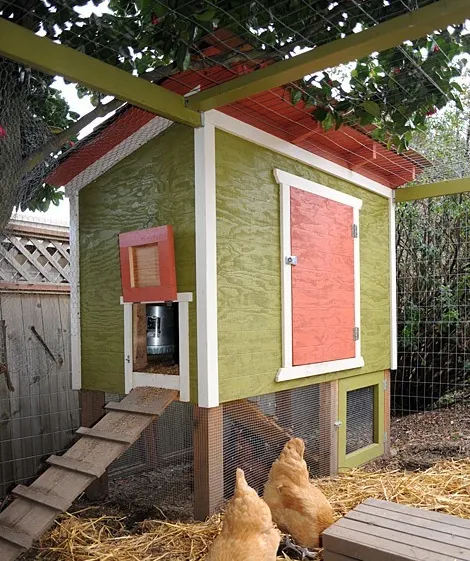
Chickens need both sunlight and shade. Direct sunlight is essential for Vitamin D production, but too much exposure, especially during hot summer months, can cause heat stress. The coop should ideally receive morning sun and afternoon shade, or have areas where the chickens can retreat from the sun. Consider the position of trees, buildings, or other structures when determining the best location.
Proximity to Neighbors
Be mindful of your neighbors. Place the coop as far from property lines and neighboring homes as possible to minimize noise and odor. Consider prevailing wind patterns to prevent odors from drifting towards neighbors. Maintaining good neighborly relations is key to successful urban chicken keeping. Inform your neighbors of your plans and address any concerns they may have proactively.
Coop Size and Design
The size and design of your coop are critical for the health and well-being of your chickens. A coop that is too small can lead to overcrowding, stress, and disease. A well-designed coop provides adequate space, ventilation, and protection from predators. Research the appropriate coop size and design aspects that are right for your setup.
Determining Coop Size

The size of your coop depends on the number of chickens you plan to keep. A general rule of thumb is to provide at least 4 square feet of space per chicken inside the coop, and 8-10 square feet per chicken in the run. However, these are the minimum recommendations, more space is always better. Overcrowding can lead to increased stress, bullying, and the spread of disease. Carefully consider your space and how many chickens you can comfortably accommodate. If you want to expand the flock later, make sure your coop can accommodate it.
Chicken Breed and Space Needs
Different chicken breeds have different space requirements. Larger breeds, like Brahmas or Orpingtons, need more room than smaller breeds like bantams. Research the specific breeds you are considering and factor in their size and space needs. Consider also that some breeds are more active and require more room to roam. Providing adequate space ensures your chickens are comfortable and healthy.
Coop Design and Aesthetics
The design of your coop should consider functionality and aesthetics. Choose a design that fits your backyard’s style and complements your home. A well-designed coop is easy to clean, provides good ventilation, and protects your chickens from the elements and predators. Consider factors like accessibility for cleaning and egg collection. Many online resources offer coop plans, but always prioritize the chickens’ health and safety first.
Materials and Durability

Choose durable, weather-resistant materials for your coop. Wood is a common choice, but it requires regular maintenance to prevent rot. Consider using materials like pressure-treated lumber, cedar, or even composite materials for their longevity. Ensure all materials are non-toxic and safe for chickens. The coop’s design should prevent predator access. Using sturdy hardware cloth for the run and secure latches is a must.
Essential Coop Features
Certain features are critical for the health, safety, and comfort of your chickens. These include proper ventilation, predator-proofing measures, and comfortable nesting boxes and roosts. Failing to include these essential elements can lead to a variety of problems, including disease, stress, and attacks from predators.
Ventilation and Airflow
Good ventilation is essential for preventing respiratory problems and maintaining a healthy environment. Ensure the coop has adequate airflow by incorporating vents near the roofline. These vents should be covered with hardware cloth to prevent pests from entering. Avoid drafts directly on the chickens. Proper ventilation helps to remove moisture, ammonia, and other harmful gases.
Predator-Proofing Measures

Protecting your chickens from predators is paramount. Use hardware cloth (not chicken wire) for the run, burying it at least 12 inches underground to prevent digging predators. Secure all doors, windows, and access points with strong latches. Consider using a locking system to prevent predators from opening the coop door. Inspect the coop and run regularly for any potential points of entry.
Nesting Boxes and Roosts
Provide comfortable nesting boxes where hens can lay their eggs undisturbed. One nesting box for every 3-4 hens is a good guideline. The boxes should be in a shaded, quiet area of the coop. Add bedding material, such as straw or wood shavings. Provide roosts, which are elevated perches where chickens sleep at night. Ensure the roosts are wide enough for the chickens’ feet and located away from the nesting boxes to prevent droppings from contaminating the eggs.
Creating a Safe and Secure Run
A secure run is essential for providing your chickens with a safe outdoor space. The run should be large enough for the chickens to move around comfortably and protect them from predators. A well-designed run allows chickens to forage, dust bathe, and enjoy the outdoors while remaining protected from harm.
Run Size and Features

The run should be at least 8-10 square feet per chicken. Incorporate features like shade, shelter from the wind, and areas for dust bathing. Add perches and climbing structures to provide enrichment. Vary the terrain with different surfaces, such as gravel, grass, and wood chips, to encourage natural behaviors.
Protection from Predators
Use hardware cloth for the entire run, including the top, to prevent predators from entering. Bury the hardware cloth at least 12 inches underground and extending outwards to deter digging predators. Secure all access points with strong latches. Inspect the run regularly for any signs of damage or potential vulnerabilities.
Choosing Chicken Breeds
Selecting the right chicken breeds is a crucial step in ensuring a successful urban chicken-keeping experience. Certain breeds are better suited for urban environments due to their temperament, noise level, and egg-laying capabilities. Consider all factors when choosing your flock.
Best Breeds for Urban Environments
Some of the best breeds for urban environments include Orpingtons, Silkies, and Wyandottes. These breeds are generally docile, quiet, and good egg layers. Consider breeds like Australorps and Rhode Island Reds, too. Research the characteristics of different breeds to find those that suit your lifestyle and preferences.
Considerations for Noise and Temperament
Roosters are often prohibited in urban areas due to their crowing. When selecting breeds, choose hens known for their quieter nature. Consider the temperament of the breeds; some breeds are friendlier and more tolerant of human interaction than others. Research breeds that are known for being calm and gentle, particularly if you have children or plan to interact with your chickens frequently.
Feeding and Watering Your Chickens
Proper feeding and watering are essential for your chickens’ health and egg production. A balanced diet and clean water will keep your flock healthy and productive. Make sure your chickens are getting all the nutrients they need to thrive.
Proper Chicken Feed
Provide a high-quality commercial chicken feed appropriate for their age (chick, grower, or layer). Supplement their diet with treats such as kitchen scraps, fruits, vegetables, and grains in moderation. Avoid feeding them moldy or spoiled food, as this can make them sick. Be careful about what you feed your chickens. Some foods are toxic to them.
Watering Systems
Provide fresh, clean water daily. Use a waterer that prevents the water from being spilled or contaminated. Clean the waterer regularly to prevent algae growth. In the winter, ensure the water doesn’t freeze. Consider using heated waterers. Always ensure water is available to your chickens, especially during hot weather.
Coop Cleaning and Maintenance
Regular cleaning and maintenance are vital for maintaining a healthy coop environment. A clean coop reduces the risk of disease, pest infestations, and unpleasant odors. Establish a cleaning schedule and stick to it.
Regular Cleaning Schedule
Remove droppings daily, especially from under the roosts. Clean the nesting boxes weekly, replacing the bedding with fresh material. Perform a thorough coop cleaning monthly, removing all bedding and scrubbing the surfaces with a poultry-safe disinfectant. The frequency of cleaning may vary based on the size of your flock and your coop’s design.
Waste Management
Compost chicken manure properly to create a nutrient-rich fertilizer for your garden. Ensure the compost pile is managed in a way that prevents odors and attracts pests. Alternatively, you can dispose of the manure in accordance with local regulations. Proper waste management is crucial for maintaining a clean environment and avoiding attracting unwanted attention.
Health and Wellbeing
Monitoring your chickens’ health and well-being is crucial for early detection and treatment of any potential problems. Learn to recognize the signs of illness and take preventative measures to keep your flock healthy and happy.
Recognizing and Addressing Common Chicken Ailments
Learn to recognize the signs of common chicken ailments, such as coccidiosis, mites, and respiratory infections. Watch for changes in behavior, appetite, or appearance. Isolate any sick birds immediately. Consult a veterinarian experienced in poultry care for diagnosis and treatment. Early detection is important.
Preventative Measures
Provide a balanced diet, clean water, and a clean coop environment to prevent diseases. Regularly check for external parasites, such as mites and lice. Consider preventative treatments if necessary. Quarantine new birds before introducing them to your flock. This will reduce the risk of spreading disease.
Enjoying Your Urban Chickens
Keeping chickens in an urban environment can be a rewarding experience, providing fresh eggs, pest control, and a connection to nature. By following these top 7 tips, you can set up your urban chicken coop for success. Enjoy your flock and the benefits of backyard chicken keeping.
Urban chicken keeping can be a great way to enjoy fresh eggs while being environmentally friendly. Proper planning and diligence are key to having a happy and healthy flock!