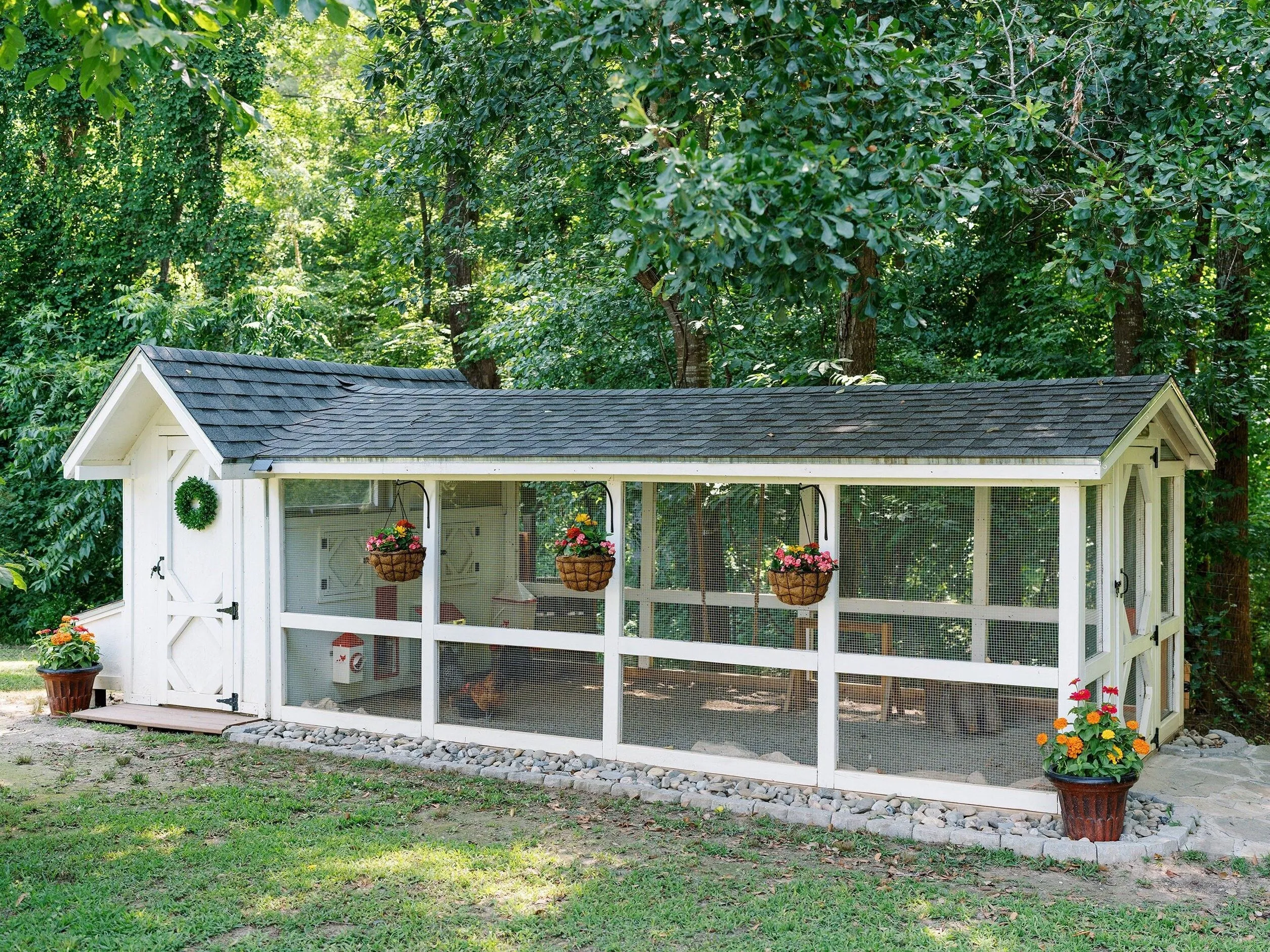
Planning Your Walk in Chicken Coop
Building a walk in chicken coop is a rewarding project that provides your flock with ample space and gives you easy access for cleaning and maintenance. Proper planning is key to a successful build, ensuring your coop meets your chickens’ needs, complies with local regulations, and provides a safe, comfortable environment. This guide will walk you through every step, from initial design to final touches, enabling you to build a coop that will last for many years.
Determining Coop Size
The size of your walk in chicken coop has a direct impact on the health and happiness of your chickens. Overcrowding can lead to stress, disease, and behavioral problems. A well-sized coop provides adequate space for roosting, nesting, and moving around. Consider the breed of chickens you plan to house, as larger breeds require more space than smaller ones. Generally, aim for a minimum of 4 square feet of floor space per chicken inside the coop, and at least 8 square feet per bird in the outdoor run. Remember to always overestimate your space needs whenever possible.
Consider your flock size

The number of chickens you intend to keep is the primary factor in determining the size of your coop. Start with a realistic assessment of how many chickens you want initially, and plan accordingly. Don’t forget that chickens love company and feel better in groups. Make sure you start with the correct number of chickens so you can enjoy your project even more.
Account for future growth
Think about potential expansion. Will you want to add more chickens later? Designing your coop with future growth in mind can save you the trouble of building a whole new coop down the road. Consider adding extra nesting boxes and roosting space now, even if you don’t fill them immediately. This will ensure there is space for all and your chickens will love you for that.
Choosing a Location
The location of your walk in chicken coop affects both your chickens’ well-being and the practicality of coop maintenance. Choose a spot that offers a balance of sunlight and shade, is protected from prevailing winds, and is easily accessible for you. Consider the proximity to your house, the neighborhood, and the potential impact on neighbors. Check local ordinances regarding coop placement and setbacks before you begin building. If you get this right you will save money and lots of headaches.
Sunlight exposure

Chickens need sunlight, but too much can be harmful. Select a location that receives morning sun, providing warmth and helping to dry the coop, but offers shade during the hottest part of the day. Trees, fences, or other structures can provide natural shade. Make sure to have enough sunlight during the day in order to make your chickens lay eggs and feel great.
Predator protection
Predators are a constant threat to chickens. Choose a location that minimizes the risk of predators, such as raccoons, foxes, and hawks. Avoid areas with dense underbrush or easy access for predators. Consider the prevailing wind direction when placing your coop, ensuring that odors don’t drift towards neighbors. Make sure your chickens are safe all the time and feel secure on the coop.
Building the Coop Frame
The frame is the skeletal structure of your walk in chicken coop, providing support and shape. Building a sturdy frame is essential for longevity, weather resistance, and security. Choose quality materials and use proper construction techniques to create a solid foundation for your coop. A well-built frame will also make it easier to add walls, a roof, doors, and other features.
Selecting Materials

The materials you choose for your coop frame will impact its durability, appearance, and environmental footprint. Pressure-treated lumber is a popular choice for its resistance to rot, insects, and moisture. However, consider the potential impact of treated wood on your chickens, and ensure it is properly sealed. Other options include cedar, which is naturally rot-resistant, and reclaimed wood for a more sustainable approach. Make sure you select the right material for your coop.
Wood types and treatments
Pressure-treated lumber is a great option to resist the climate conditions. Cedar is also a great choice for its natural resistance to decay. Consider the environmental impact and your budget when selecting your materials. Using wood will provide a classic look. Choosing a good wood is critical for your coop.
Construction Tools
Having the right tools will make the building process smoother and more efficient. Gather your tools before you start and make sure they are in good working order. Safety gear, such as gloves, safety glasses, and a dust mask, is also essential. Use the right tools to make sure your coop lasts for a long time.
Essential tools and equipment

You will need a saw, measuring tape, level, drill, screw gun, hammer, and a staple gun. Consider a circular saw for cutting lumber and a miter saw for more precise angled cuts. Also make sure you have screws, nails, staples, and any other fasteners needed for your design. Check your list one more time before you start. This will make you more comfortable during the building process.
Assembling the Frame
Follow your plans closely. Start with the base of the frame, ensuring it is level and square. Then, assemble the walls, using appropriate joinery techniques such as screws or nails. Ensure all corners are square and the frame is plumb. Use braces and supports to add strength and stability. Take your time, measure twice, and cut once. The frame is the foundation of your entire coop, so build it right.
Foundation and Flooring
The foundation and flooring of your walk in chicken coop will provide a stable base and protect your chickens from the elements. Proper construction in this phase prevents moisture, provides insulation, and helps with cleaning and maintenance. Consider your climate, budget, and desired level of maintenance when choosing your foundation and flooring options. This will help you create the perfect environment for your flock.
Foundation Options

There are several choices for your coop foundation, each with its advantages and disadvantages. The best option for you will depend on your local climate, the soil conditions, and your personal preferences. Make sure you select the right one.
Concrete slab
A concrete slab offers excellent durability, pest resistance, and ease of cleaning. It is also a good option for predator-proofing, as it prevents digging under the coop. However, a concrete slab can be expensive and may require professional installation. It can also be difficult to modify or move the coop if needed. You can rest assured that this will be a long-lasting option.
Wooden floor
A wooden floor is a more affordable and DIY-friendly option. It is easier to build and can provide good insulation. However, wooden floors are susceptible to rot, moisture damage, and pest infestations. Be sure to use pressure-treated lumber and provide adequate ventilation to prevent these issues. If you properly build your wooden floor it will provide years of service.
Adding the Walls and Roof

Once your frame is in place, it’s time to add the walls and roof to enclose your walk in chicken coop. This stage provides shelter from the elements and creates a secure and comfortable environment for your chickens. Choose materials and construction methods that are weather-resistant, durable, and aesthetically pleasing. With the right care your chickens will be happy and safe.
Wall Construction
For the walls, you can use various materials, including wood siding, plywood, or even repurposed materials. Ensure that the walls are well-secured to the frame and provide adequate protection from wind, rain, and predators. Proper insulation can also help regulate the temperature inside the coop. Consider incorporating windows or vents to provide ventilation and natural light. Take the time to get the walls right.
Roofing Materials
The roof protects your chickens from the elements and is essential for the longevity of your coop. Popular roofing materials include asphalt shingles, metal roofing, and corrugated panels. Choose a material that is durable, weather-resistant, and suits your budget and aesthetic preferences. Ensure that the roof is properly installed, with adequate overhang to protect the walls from rain. The roof is also critical for providing protection from the sun.
Doors and Windows

Doors and windows provide access, ventilation, and natural light for your chickens. Careful design and placement will enhance the functionality and comfort of your coop. Make sure these elements are both secure and easy to use. This will help you access your coop on a daily basis for cleaning and maintenance.
Door Design
The door should be large enough for you to enter comfortably and for easy access to the coop. Consider a door that opens outwards to maximize space inside. Ensure that the door is secure and predator-proof, with sturdy hinges, a secure latch, and possibly a locking mechanism. Install a ramp or step if needed for easy access. Make sure you have a secure door.
Window Placement
Windows provide natural light and ventilation. Position windows to maximize sunlight exposure while minimizing direct drafts. Ensure that windows are securely screened to keep out predators and prevent chickens from escaping. Consider installing windows that can be opened and closed for better control of ventilation. Ensure windows are well placed and secured.
Interior Features
The interior of your walk in chicken coop should provide a comfortable and functional space for your chickens. Essential features include nesting boxes, roosts, and adequate ventilation. The layout and design should facilitate easy cleaning and maintenance, promoting a healthy environment for your flock. These are essential for chicken happiness.
Nesting Boxes
Nesting boxes are where your chickens will lay their eggs. Provide one nesting box for every 3-4 hens. Place nesting boxes in a quiet, dimly lit area away from drafts. Line the boxes with soft, clean bedding, such as straw, wood shavings, or shredded paper. Make sure they are well placed. You will need to take care of this aspect.
Roosts and Perches
Roosts, or perches, are where chickens sleep at night. Provide perches that are at least 8-12 inches per chicken. Position the roosts at a comfortable height, away from the nesting boxes and any drafts. Round or slightly flattened roosts are ideal. Consider adding multiple perches to provide more space. Your chickens will appreciate these important features.
Ventilation and Lighting
Proper ventilation and lighting are critical for the health and well-being of your chickens. Adequate ventilation prevents the build-up of ammonia and moisture, while sufficient lighting promotes egg production and overall health. Careful consideration in this area will help create a healthy environment.
Ventilation Strategies
Good ventilation is essential for removing moisture and ammonia, which can cause respiratory problems. Install vents near the roofline to allow for proper airflow. Avoid placing vents directly above roosts or nesting boxes, where chickens spend their time. Consider using a combination of vents and windows to regulate airflow. Get this right and your chickens will thank you.
Lighting Options
Chickens need at least 14-16 hours of daylight per day to lay eggs. In winter, when daylight hours are shorter, you may need to supplement with artificial lighting. Use a low-wattage LED light to avoid overheating the coop. Avoid using incandescent bulbs, which can be a fire hazard. Proper lighting is essential for egg production and chicken health.
Security and Predator Proofing
Protecting your chickens from predators is paramount. Your walk in chicken coop should be designed to be secure against a variety of threats, including raccoons, foxes, hawks, and other animals. Focus on creating a structure that is impenetrable and prevents predators from gaining access. Build a secure coop to secure your chickens.
Hardware Cloth and Wire Mesh
Use hardware cloth or heavy-duty wire mesh with openings no larger than 1/2 inch to cover all openings, including windows, vents, and the run. Hardware cloth is more durable and predator-resistant than chicken wire. Make sure the hardware cloth is securely attached, with no gaps or weak points. Proper security is key to protect your chickens.
Burial of Wire Mesh
Bury wire mesh around the perimeter of the coop and run to prevent predators from digging underneath. Extend the wire mesh outward from the base of the coop at least 12 inches and bury it several inches deep. This is a very effective method to prevent digging predators from entering the coop. Make sure to do this well.
Final Touches and Maintenance
Once your walk in chicken coop is built, there are a few final touches that will enhance its appearance and functionality. Regular maintenance is also essential to keep the coop clean, safe, and in good condition for years to come. Consider these final touches to make your coop perfect.
Painting and Sealing
Painting or sealing the exterior of your coop will protect the wood from the elements and enhance its appearance. Use a non-toxic, weather-resistant paint or sealant that is safe for chickens. Consider the color carefully, as darker colors can absorb more heat. Seal all cracks and gaps to prevent drafts and moisture from entering the coop. Take care of this step.
Regular Cleaning
Regular cleaning is essential for maintaining a healthy environment for your chickens. Remove droppings, soiled bedding, and any spilled food or water regularly. Clean and disinfect nesting boxes, roosts, and feeders. Sweep or rake the coop floor regularly to remove dust and debris. Clean your coop properly to keep your chickens safe. You will have a better experience by taking care of this task.