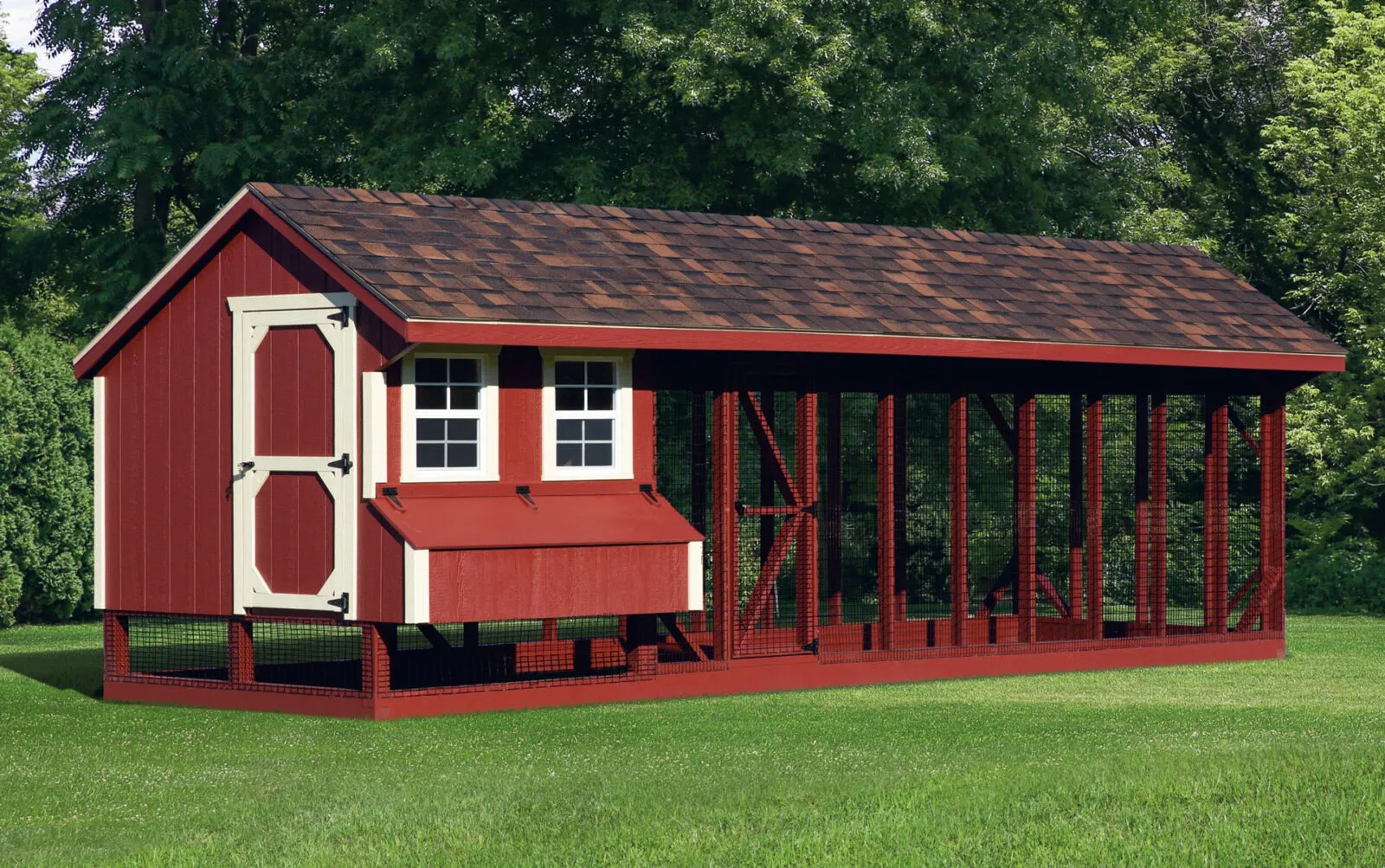
Walk-In Chicken Coop Plans Introduction
Building a walk-in chicken coop is a rewarding project for any chicken keeper, offering ample space for your flock to roam, roost, and lay eggs. With the right walk-in chicken coop plans, you can create a secure and comfortable home for your birds while enhancing your backyard or farm. This guide explores five top designs, providing insights into their features, construction, and suitability for different needs. Whether you’re a seasoned builder or a DIY enthusiast, these plans will help you create a functional and aesthetically pleasing coop. Choosing the right plan depends on factors like available space, budget, and desired aesthetic, so let’s dive into some fantastic walk-in chicken coop plans!
Design 1 The Classic Walk-In Coop
The classic walk-in chicken coop design is a timeless choice, known for its simplicity, durability, and ease of construction. This style typically features a rectangular or square footprint, a gabled roof, and ample space for chickens to move around. It provides a secure and weather-resistant shelter, making it ideal for various climates. The classic design often includes a separate nesting box area, a roosting bar for nighttime comfort, and secure doors and windows for ventilation and light. This design is a great starting point for those new to building chicken coops.
Features of Classic Design

Key features of a classic walk-in coop include a robust frame, typically made of wood such as cedar or pressure-treated lumber for durability. The design often incorporates a sloped roof to shed rain and snow efficiently. Windows with secure wire mesh or hardware cloth allow for ventilation while keeping predators out. The coop should have a secure door with a latch that’s easy for humans to operate but difficult for predators to access. Inside, provide roosting bars set at a comfortable height and easily accessible nesting boxes. Proper ventilation is critical to remove moisture and ammonia, which can harm the chickens’ health. Consider adding a run area for extra space.
Material Selection for the Classic Coop
Choosing the right materials is crucial for a long-lasting classic coop. Use pressure-treated lumber for the frame to resist rot and pests, particularly if the coop will be in contact with the ground. The siding can be made of wood, such as cedar for its natural resistance to the elements, or exterior-grade plywood. The roof can be shingled or covered with corrugated metal for weather protection. Select hardware, such as hinges, latches, and wire mesh, made of galvanized steel to prevent rust. For the interior, consider using non-toxic, easy-to-clean materials for the floor and nesting boxes. Ensure all materials are safe for chickens and won’t leach harmful chemicals.
Classic Coop Construction Steps
Begin by constructing the frame, ensuring all corners are square and level. Attach the siding and roof, making sure it’s securely fastened to protect against the weather. Install windows and doors, using wire mesh or hardware cloth to cover openings for ventilation. Build nesting boxes and roosting bars inside, providing ample space for your chickens. Ensure proper ventilation by including vents near the roofline. Finally, add a secure door with a reliable latch to prevent predators from entering. Regular maintenance, such as cleaning and checking for damage, will extend the coop’s lifespan and keep your chickens safe and healthy.
Design 2 The A-Frame Walk-In Coop

The A-frame walk-in chicken coop is a popular choice for its simple design and efficiency. Characterized by its triangular shape, this coop is easy to build and provides excellent weather resistance. The A-frame design sheds rain and snow effectively, making it a suitable option for various climates. It is often more portable compared to other designs and can be easily moved around your property. The A-frame is ideal for smaller flocks or those with limited space. The streamlined shape is also aesthetically pleasing and can add charm to your backyard.
Advantages of the A-Frame Design
The A-frame design offers several advantages. It is typically cost-effective due to its simple construction using fewer materials. The sloped roof design efficiently sheds water and snow, reducing the risk of leaks and structural damage. A-frame coops are often more portable, making it easier to move your flock to fresh pasture. They can be built quickly and require fewer construction skills than more complex designs. This design is also an excellent choice for beginners who want to build their own coop without a lot of experience. Its compact size makes it suitable for small backyards or gardens.
A-Frame Coop Dimensions and Layout
Determine the coop’s footprint and height to accommodate your flock. The dimensions depend on the number of chickens you plan to house. Provide at least four square feet of floor space per chicken inside the coop. Design the layout to include a nesting box area, roosting bars, and a secure door. Ensure the coop is tall enough for comfortable access, typically around six feet at the peak. Plan for adequate ventilation by including vents near the top of the A-frame structure. Consider adding a run area to increase the chickens’ living space, providing them with fresh air and access to the ground.
Building the A-Frame Structure

Start by building the two A-frame sides using lumber, ensuring they are the same size. Connect the sides with crossbeams to create the structure’s base. Attach the roof panels, overlapping them to prevent leaks. Install a door and windows, covered with wire mesh or hardware cloth. Build the interior by adding nesting boxes and roosting bars. Ensure the coop is securely fastened to the ground to prevent it from being blown over in high winds. Painting or staining the wood will protect it from the elements and add to its aesthetic appeal.
Design 3 The Pallet Walk-In Coop
Pallet walk-in chicken coops are a cost-effective and eco-friendly option, using reclaimed pallets as the primary building material. This design offers a unique and rustic look, appealing to those who appreciate sustainable building practices. Pallet coops can be customized to various sizes, depending on the number of chickens you want to house. Building with pallets reduces waste and can be an affordable choice. However, it’s essential to ensure the pallets are safe and free from harmful chemicals. The rustic charm of the pallet design adds character to any backyard.
Sourcing and Preparing Pallets
Source pallets from local businesses or recycling centers. Choose pallets made of untreated wood to avoid exposure to harmful chemicals. Inspect each pallet for damage, such as broken boards or loose nails. Before starting construction, clean the pallets thoroughly to remove dirt and debris. If the pallets are dirty or have been exposed to the elements, consider pressure washing them. Remove any nails or staples that could pose a hazard to chickens or builders. Consider disassembling the pallets to use the individual boards for a more customized design, or use them intact to create the basic structure of the coop.
Pallet Coop Assembly Guide

Use the pallets as the walls and floor of the coop, securing them together with screws and nails. Create a frame for the roof using lumber, and then attach pallet boards or roofing materials. Cut openings for doors and windows, then install them with secure hinges and latches. Build nesting boxes and roosting bars using pallet wood or other available materials. Ensure the floor is solid and level, and consider adding a layer of bedding material, such as straw or wood shavings. Remember to sand any rough edges or splinters to create a safe environment for your chickens.
Reinforcing and Weatherproofing Pallet Coops
Reinforce the pallet structure by adding extra supports and bracing, especially in areas prone to stress. Cover the roof with roofing materials to protect against rain and snow. Seal any gaps or cracks with caulk or weather stripping to prevent drafts and moisture. Paint or stain the exterior of the coop to protect the wood from the elements. Add wire mesh or hardware cloth to all openings to prevent predators from entering. Regular maintenance, such as checking for damage and cleaning the coop, will extend its lifespan and keep your chickens safe.
Design 4 The Modern Walk-In Coop
The modern walk-in chicken coop design emphasizes clean lines, functionality, and often incorporates contemporary materials and features. This design appeals to those who want a stylish and aesthetically pleasing coop that complements their modern home. Modern coops often use durable materials like metal siding, composite decking, and sleek architectural elements. They may incorporate automated features, such as automatic door openers, feeders, and waterers. Modern coops prioritize ease of cleaning, efficient ventilation, and overall convenience.
Modern Design Features

Modern coops often feature a simple, rectangular or square shape with a flat or gently sloped roof. Materials used include metal siding, composite decking, and durable plastics. Large windows allow for ample natural light and ventilation, while maintaining security with reinforced glass or wire mesh. Automated systems, such as automatic door openers and feeders, can simplify daily chores. Design elements include clean lines, integrated nesting boxes, and stylish roosting bars. The focus is on functionality, ease of maintenance, and a sophisticated appearance. Consider adding a modern run for additional protection.
Choosing Materials for Modern Coops
Select weather-resistant materials like metal siding or composite decking for durability and low maintenance. Choose windows made of tempered glass or reinforced plastic to ensure safety and security. Use stainless steel or galvanized hardware to prevent rust. For the interior, opt for smooth, non-porous surfaces that are easy to clean and sanitize. Consider using durable, food-grade plastic for feeders and waterers. Incorporate materials that are non-toxic and safe for chickens, ensuring the health and well-being of your flock.
Modern Coop Construction Techniques
Start by constructing a sturdy frame using treated lumber or metal studs. Attach the siding and roofing materials, ensuring they are securely fastened and weatherproof. Install windows and doors, including secure latches and handles. Integrate the automated features, such as door openers and feeders, following the manufacturer’s instructions. Build interior structures like nesting boxes and roosting bars with a focus on ease of cleaning and maintenance. Ensure adequate ventilation with vents that are strategically placed to promote airflow. The goal is a sleek, efficient, and low-maintenance coop.
Design 5 The Mobile Walk-In Coop

A mobile walk-in chicken coop, also known as a chicken tractor, is designed to be moved easily around your property. This allows you to provide your chickens with fresh pasture regularly, promoting their health and well-being. Mobile coops are ideal for rotational grazing, which helps control parasites, improves soil health, and reduces the need for supplemental feeding. They are usually built on skids or wheels, making them easy to relocate. Mobile coops offer several benefits, including healthier chickens and better soil management. Consider the size and weight of the coop when deciding which mobile design works best for your needs.
Benefits of a Mobile Coop
Mobile coops offer numerous advantages. They allow chickens to access fresh grass and forage regularly, leading to healthier and happier birds. Rotating the coop prevents the buildup of parasites and diseases in one area. The chickens’ manure fertilizes the soil, improving its quality. Mobile coops are often easier to clean than stationary coops, as you can move them to a clean location. They provide a safe and secure environment for chickens while allowing them to free-range in a controlled manner. Mobile coops are excellent for small to medium-sized flocks, and they encourage sustainable farming practices.
Building the Mobile Base
Construct a sturdy base for the coop using skids or wheels. Skids, made of treated lumber, provide a stable platform for the coop and are easier to move manually. Wheels allow for easier movement, especially over uneven terrain. Attach the coop structure to the base, ensuring it is securely fastened. Consider adding handles or a towing mechanism for easier relocation. Make sure the base is strong enough to support the weight of the coop and the chickens. Choose wheels that are suitable for the terrain on your property. Regularly check and maintain the base for optimal performance and longevity.
Attaching the Coop Structure

Build the coop structure directly onto the mobile base, ensuring it is securely attached. Design the coop to be lightweight yet strong, using materials like wood or metal. Include features such as nesting boxes, roosting bars, and a secure door. Add a run area that is connected to the coop, providing extra space for the chickens to roam. Ensure the coop is well-ventilated with vents near the roofline. Use wire mesh or hardware cloth to cover openings for ventilation and protection against predators. Consider the height of the coop to make it easy to clean and maintain. The design should incorporate all the essential elements for a healthy, happy flock.
Walk-In Chicken Coop Plans Conclusion
Creating a walk-in chicken coop can be a very satisfying project, giving you a functional space for your chickens and enhancing your property. Whether you select the classic, A-frame, pallet, modern, or mobile design, careful planning and attention to detail are key. Consider your space, budget, and building skills when choosing your plan. With the right walk-in chicken coop plans and a bit of effort, you can build a safe, comfortable, and attractive home for your flock. Happy coop building!