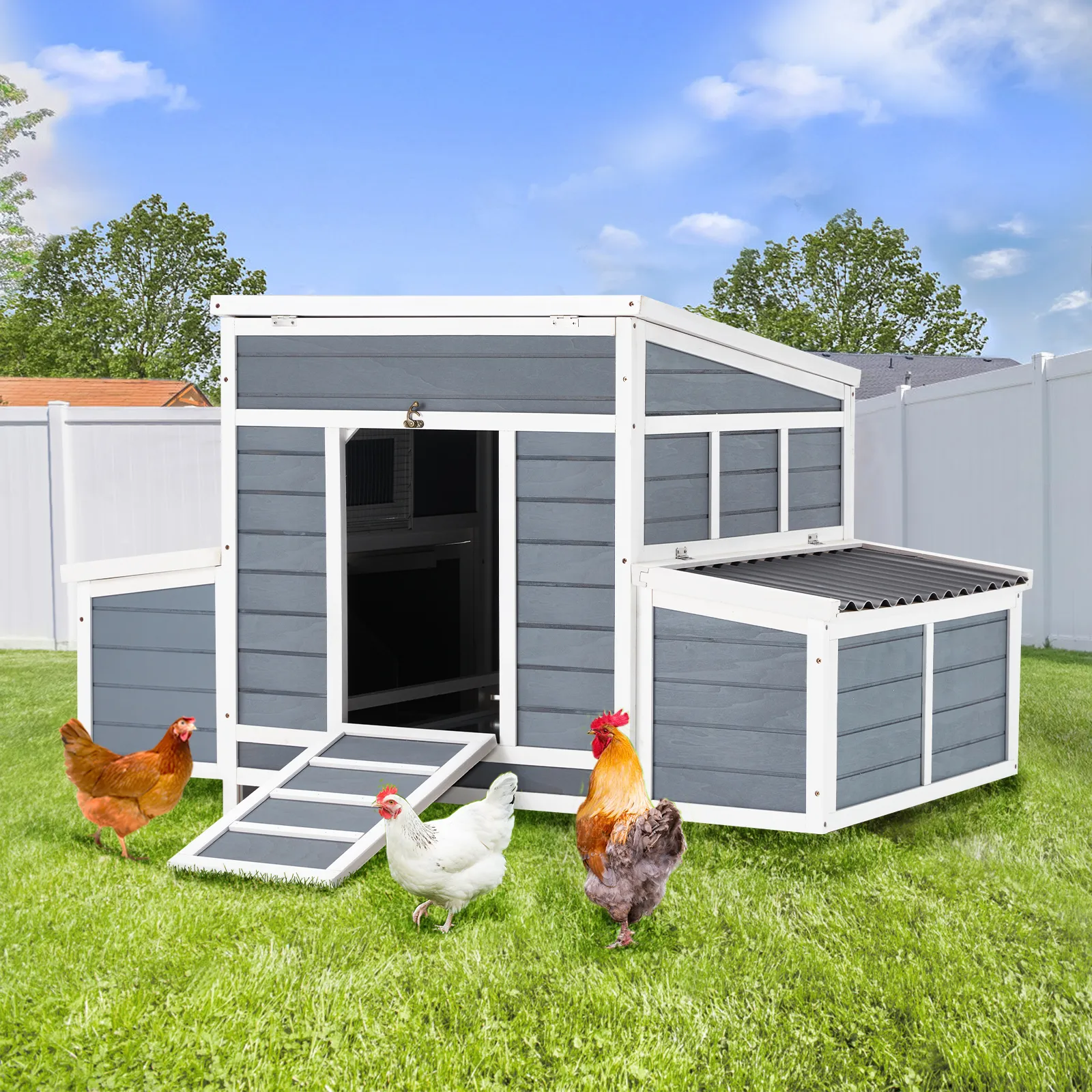
Walmart Chicken Coop 6 Ultimate Tips
Finding the perfect Walmart chicken coop can be a rewarding experience, providing fresh eggs and a charming addition to your backyard. However, with numerous options available, making the right choice requires careful consideration. This guide presents six ultimate tips to help you navigate the selection process, ensuring you choose a coop that meets your chickens’ needs while fitting your budget and space. From size and materials to security and maintenance, we’ll cover everything you need to know to make an informed decision and create a comfortable, safe home for your flock. Selecting a Walmart chicken coop involves more than just a purchase; it’s about setting the stage for happy, healthy chickens and a thriving backyard ecosystem.
Tip 1 Choosing the Right Size
One of the most crucial aspects of selecting a Walmart chicken coop is determining the appropriate size. A coop that’s too small will lead to overcrowded conditions, stressing your birds and potentially increasing the risk of disease. Conversely, a coop that’s too large might be more expensive and take up unnecessary space in your yard. Considering both the number of chickens you plan to house and the available space is essential to finding the perfect fit. Prioritizing this step will ensure your chickens have enough room to move, roost, and thrive.
Factors to Consider for Coop Size

Number of Chickens
The number of chickens you intend to keep is the primary factor determining the coop size. A general guideline is to provide at least 4 square feet of floor space per chicken inside the coop, and even more space in the run (the enclosed outdoor area) if one is included. Overcrowding can lead to various health problems, increased aggression, and reduced egg production. Always plan for potential growth; if you’re starting with chicks, consider the space they’ll need as adults. Carefully calculating the space requirements will support the well-being of your flock.
Available Space
Assess the available space in your backyard. Measure the area where you plan to place the coop, including both the coop itself and any attached run. Take into account any obstacles like trees, sheds, or other structures. Consider the proximity to your house and neighbors, and whether local ordinances have any restrictions on coop size or placement. Ensure there’s sufficient space for the chickens to roam and forage safely and comfortably. Remember to consider access for cleaning and maintenance when evaluating space availability.
Tip 2 Assessing Coop Materials

The materials used to construct a Walmart chicken coop significantly impact its durability, longevity, and overall suitability for your chickens. Wood and plastic are two common choices, each with its own set of advantages and disadvantages. Understanding the characteristics of each material will help you make an informed decision aligned with your specific needs, budget, and environmental conditions. Material selection influences the coop’s ease of cleaning, its ability to withstand the elements, and its potential vulnerability to predators.
Wood Coops
Wood coops are popular for their traditional appearance and aesthetic appeal. They can often blend seamlessly into a garden setting, adding to the overall charm of your backyard. Wood is also a good insulator, which can help regulate the coop’s temperature, keeping it warmer in the winter and cooler in the summer. However, the type of wood used matters. Untreated wood can be susceptible to rot, especially in damp climates, requiring regular maintenance. Consider treated lumber or rot-resistant woods like cedar or redwood for longevity. Ensure the wood is free from splinters and other potential hazards for your chickens.
Pros and Cons of Wood Coops
- Pros Aesthetic appeal and blends well with the garden.
- Pros Good insulation properties for temperature regulation.
- Cons Requires regular maintenance to prevent rot and damage.
- Cons Can be more susceptible to pests like mites and lice.
- Cons Can be more expensive than plastic options.
Plastic Coops

Plastic coops are becoming increasingly popular due to their ease of maintenance and durability. They are generally weather-resistant, making them a good choice for various climates. Plastic coops are often easier to clean, as they don’t absorb odors or moisture like wood. They are also less likely to harbor mites and other pests. While plastic may not offer the same level of insulation as wood, many models are designed with features to help regulate temperature. Check for UV protection to prevent the plastic from degrading over time. Quality plastic coops can be a long-lasting and low-maintenance option.
Pros and Cons of Plastic Coops
- Pros Easy to clean and maintain, with no absorption of odors.
- Pros Resistant to weather and pests, making them durable.
- Cons May not insulate as well as wood, which can impact temperature regulation.
- Cons Can be less aesthetically pleasing than wood options.
- Cons Quality can vary greatly, so check reviews and ratings carefully.
Tip 3 Prioritizing Ventilation and Airflow
Proper ventilation is critical for the health and well-being of your chickens, especially in a coop. Good airflow helps prevent the build-up of ammonia from chicken waste, which can irritate their respiratory systems and cause illness. Ventilation also helps to regulate the coop’s temperature and humidity levels, which is crucial in both hot and cold climates. It can reduce the risk of condensation, which contributes to mold and mildew growth. Investing in a coop with well-designed ventilation will contribute to the health and productivity of your flock.
Importance of Ventilation
Adequate ventilation in a chicken coop reduces the risk of respiratory diseases and other health issues. The exchange of fresh air dilutes harmful gases, such as ammonia, which are produced by chicken droppings. Effective ventilation also reduces moisture, preventing the growth of mold and bacteria. Chickens create a significant amount of moisture through their breath and waste. Proper ventilation helps to manage this moisture and keep the coop environment dry. The right amount of airflow ensures the health and comfort of your chickens.
Ventilation Design
Look for coops with vents placed high and low. High vents allow warm, moist air to escape, while lower vents bring in fresh air. Avoid vents that are directly exposed to drafts, which can chill your chickens in cold weather. Adjustable vents are a great feature, allowing you to control airflow depending on the season and weather conditions. The design should prioritize airflow without compromising the coop’s security. Well-designed ventilation is essential for a healthy coop environment.
Tip 4 Security Features for Protection
Protecting your chickens from predators is crucial. A secure coop minimizes the risk of losing your birds to foxes, raccoons, coyotes, or other animals. When choosing a Walmart chicken coop, carefully evaluate its security features to ensure it can withstand potential threats. Taking extra steps to secure your coop provides peace of mind and safeguards your flock.
Predator-Proofing

Predator-proofing begins with sturdy construction. Look for coops made of robust materials and with secure closures. Ensure the coop has a strong frame and that the wire mesh, if present, is of high quality and securely attached. Bury wire mesh at least 12 inches underground around the perimeter of the coop to prevent digging predators from accessing the coop. Secure any gaps or weak points where predators might enter. Reinforced doors, secure latches, and tight-fitting windows are essential for keeping predators out.
Locking Mechanisms
Choose coops with secure locking mechanisms. Simple latches can be easily manipulated by predators, so consider more robust options like barrel bolts, carabiner clips, or spring-loaded latches. Regularly inspect the locks to ensure they are functioning correctly. If the coop has a run, ensure the door to the run is equally secure. The goal is to create a barrier that is difficult for predators to overcome. Secure locking mechanisms are crucial for the safety of your chickens.
Tip 5 Location and Sunlight
The location of your Walmart chicken coop significantly impacts your chickens’ health and well-being. The right placement can help regulate temperature, provide natural light, and protect your flock from the elements. Considering sunlight exposure and the surroundings when selecting a location will benefit your chickens.
Optimal Placement

Place your coop in a location that is relatively flat and well-drained. Avoid areas prone to flooding or standing water. Consider the prevailing winds and position the coop so that it is sheltered from harsh weather. If possible, place the coop near a source of water and electricity for convenience. Consider the proximity to your house, garden, or other structures. It is essential to strike a balance between convenience for you and the best possible living conditions for your chickens.
Sunlight Considerations
Chickens need sunlight for their overall health and egg production. Position the coop where it receives a good amount of sunlight throughout the day, particularly during the winter months. However, ensure that the coop also has areas of shade to provide relief from the intense heat of the sun during summer. A combination of sun and shade allows chickens to regulate their body temperature effectively. Proper sunlight exposure is critical for both the physical and behavioral health of your flock.
Tip 6 Maintenance and Cleaning
Regular maintenance and cleaning are essential for maintaining a healthy environment for your chickens and prolonging the life of your coop. A clean coop reduces the risk of diseases, controls odors, and makes your chickens more comfortable. Establishing a consistent cleaning schedule and taking preventive measures will keep your coop in top condition.
Regular Cleaning Schedule

Develop a regular cleaning schedule based on the size of your coop and the number of chickens. At a minimum, remove droppings and soiled bedding from the coop weekly. Clean the coop thoroughly every month, including scrubbing down the walls, perches, and nesting boxes. Replace the bedding regularly with clean, dry materials. Dispose of waste properly, as it can attract pests. Adhering to a consistent cleaning routine ensures the health and happiness of your chickens.
Preventive Measures
Take preventive measures to keep your coop clean and pest-free. Use absorbent bedding materials like straw, wood shavings, or shredded paper, which can also help to absorb moisture and control odors. Consider using diatomaceous earth, a natural insecticide, to control pests like mites and lice. Regularly inspect the coop for signs of pests or diseases. Ensure proper ventilation to reduce moisture and the build-up of ammonia. These measures will help maintain a healthy environment for your chickens, reducing the need for extensive cleaning and maintenance in the long run.
By considering these six ultimate tips, you can confidently choose a Walmart chicken coop that meets your chickens’ needs while also aligning with your space, budget, and lifestyle. Remember to prioritize size, materials, ventilation, security, location, and maintenance to provide a safe, comfortable, and healthy home for your flock. Happy chicken keeping.