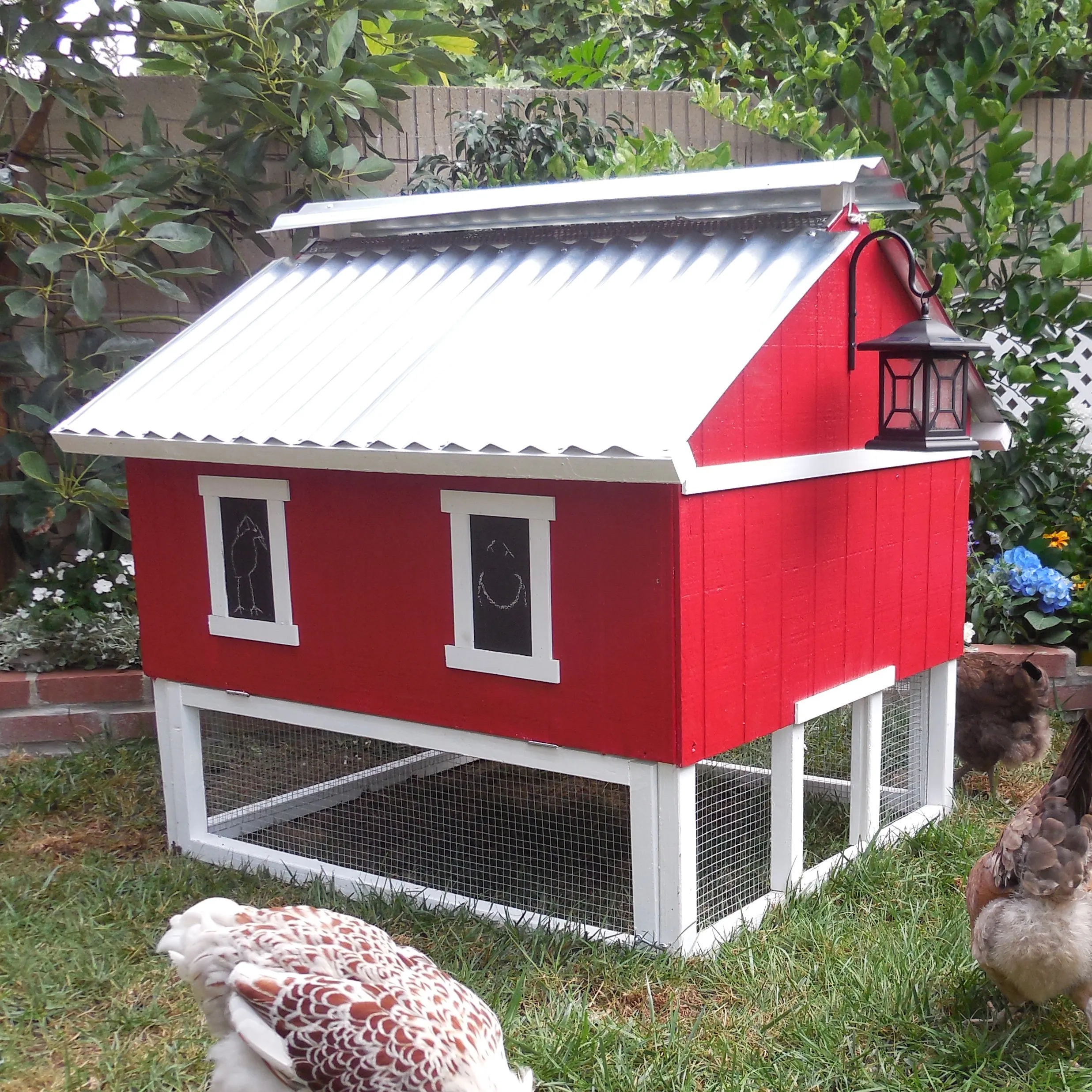
Wayfair Chicken Coop Features You Need
Choosing the right Wayfair chicken coop involves careful consideration of several key features. A well-designed coop provides a safe, comfortable, and functional home for your flock, ensuring their health and happiness while simplifying your daily chores. This guide will explore seven essential features to look for when selecting a Wayfair chicken coop, ensuring you make the best choice for your backyard chickens. From size and material to predator protection and ease of cleaning, each aspect plays a crucial role in creating an ideal living environment. Considering these features upfront will save you time, money, and potential headaches down the road, resulting in a rewarding experience of raising backyard chickens. Let’s dive into these vital components to help you find the perfect Wayfair chicken coop.
Size and Capacity Considerations
One of the most important aspects when choosing a chicken coop is the size and capacity. Ensuring that the coop is large enough to comfortably house your chickens is crucial for their health and well-being. Overcrowding can lead to stress, increased aggression, and the spread of diseases. Wayfair offers various coop sizes, and selecting the right one depends on the number of chickens you plan to keep and the breed you choose. Providing adequate space allows each chicken to have enough room to move around, roost, and nest comfortably, promoting a healthy and happy flock.
Determining Coop Size

Generally, it’s recommended to provide at least 4 square feet of space per chicken inside the coop. This allows the birds to move freely, roost comfortably, and reduces the likelihood of squabbles. For the outdoor run, aim for a minimum of 8-10 square feet per chicken. When selecting a Wayfair chicken coop, carefully review the specifications, including the internal dimensions and the intended capacity, to ensure it meets these space requirements. Consider how the coop’s dimensions will fit within your backyard space and allow for easy access for cleaning and maintenance. Investing in a larger coop than you initially anticipate can be a wise decision, as it provides flexibility if you decide to expand your flock in the future.
Considering Chicken Breed
Different chicken breeds have different space requirements and behaviors. Larger breeds, such as Orpingtons or Brahmas, need more space than smaller breeds like Bantams. Research the specific needs of the breeds you intend to raise. Some breeds are more active and require more room to roam, while others are more docile and can adapt to slightly smaller spaces. Additionally, consider the climate in your area. In colder climates, chickens may spend more time inside the coop, necessitating more interior space. By taking these breed-specific factors into account, you can ensure that your Wayfair chicken coop provides the ideal living environment for your flock, promoting their health and productivity. Remember to check the breed’s space requirements for roosting and nesting areas.
Material and Durability
The material used to construct your Wayfair chicken coop significantly impacts its durability, longevity, and overall suitability for housing chickens. Coops are exposed to the elements, including rain, sun, and wind, as well as potential wear and tear from the chickens themselves and predators. Therefore, selecting a durable and weather-resistant material is essential for protecting your investment and ensuring the safety of your flock. Wayfair offers coops made from various materials, and understanding their pros and cons is important for making an informed decision. Durability directly translates to the lifespan of the coop, and the right materials will minimize the need for frequent repairs and replacements.
Wood vs. Metal

Wood is a popular choice for chicken coops due to its aesthetic appeal and natural insulation properties. However, wooden coops require regular maintenance, such as painting or sealing, to protect them from the elements and prevent rot. Cedar and redwood are naturally rot-resistant woods that can be a good option. Metal coops, often made from galvanized steel, are highly durable and resistant to pests and weathering. They typically require less maintenance than wooden coops but can be less visually appealing and may not provide as much insulation. Consider the local climate and your maintenance preferences when choosing between wood and metal. Check for rust resistance in metal options and the type of wood treatment used to prevent rot and infestation in wooden ones. The image of a well-maintained wooden coop highlights the appeal of this material. (image: wooden-chicken-coop.webp)
Weather Resistance
Weather resistance is crucial for protecting your chickens from the elements. Look for coops with waterproof roofs, tight-fitting doors and windows, and well-sealed joints to prevent rain and snow from entering. The coop should also be designed to withstand strong winds, especially if you live in an area prone to storms. Some Wayfair coops feature weather-resistant coatings or treatments to enhance their durability. Ensure that the coop material can handle the climate in your location, and consider insulation if you live in a region with extreme temperatures. Proper weather resistance protects your chickens from the harsh weather and extends the coop’s lifespan.
Predator Protection
Predator protection is paramount for the safety of your chickens. Predators such as foxes, raccoons, coyotes, and even domestic dogs can easily access a poorly protected coop. A secure coop minimizes the risk of losing your flock to these threats. Wayfair coops should incorporate features that deter predators and provide a safe environment for your chickens. This not only protects your birds but also ensures that you can enjoy raising them without constant worry. Strong construction and strategic design are crucial components of a predator-proof coop. (image: predator-proof-coop.webp)
Secure Latches and Locks

The latches and locks on your chicken coop are the first line of defense against predators. Choose coops with sturdy, predator-resistant latches that are difficult for animals to manipulate. Carabiner clips or spring-loaded latches are excellent options. Avoid flimsy or easily opened latches. Consider using multiple latches on doors and access points to enhance security. Regularly inspect the latches to ensure they are functioning correctly and make any necessary repairs. Ensure that all doors and access points close snugly and without any gaps that predators could exploit. Investing in high-quality latches and locks can greatly improve the security of your coop.
Hardware Cloth and Wire Mesh
Hardware cloth or wire mesh is a vital material for reinforcing the coop’s vulnerable areas. Use hardware cloth with a small mesh size (½ inch or smaller) to cover any openings or potential entry points, such as windows, ventilation openings, and the bottom of the coop. Attach the hardware cloth securely with staples or screws, ensuring that there are no gaps that predators could squeeze through. Burying the hardware cloth around the perimeter of the coop can prevent animals from digging under the walls. Always use hardware cloth instead of chicken wire, as chicken wire is too flimsy and offers minimal protection against predators. Proper use of hardware cloth is a cost-effective way to dramatically improve the security of your chicken coop.
Ventilation and Airflow
Proper ventilation is essential for maintaining a healthy environment inside your chicken coop. Adequate airflow helps to remove moisture, ammonia, and other harmful gases that can accumulate from chicken droppings and respiration. Without proper ventilation, chickens can develop respiratory problems and other health issues. A well-ventilated coop also helps regulate temperature, preventing the coop from becoming too hot in the summer or too cold in the winter. Wayfair coops often include ventilation features such as vents, windows, and screened openings to facilitate airflow. (image: chicken-coop-ventilation.webp)
Importance of Proper Ventilation

Good ventilation is critical for preventing respiratory diseases in chickens. Stale, humid air in the coop can lead to the growth of mold and bacteria, which can cause illness. Proper airflow helps to keep the air fresh and clean, reducing the risk of respiratory infections. Well-ventilated coops also help regulate the humidity levels, preventing moisture buildup that can contribute to the formation of frostbite in winter. Ventilation helps prevent overheating in summer, and minimizes the concentration of ammonia from chicken waste. Adequate ventilation contributes to a healthier and more comfortable living environment for your chickens, enhancing their overall well-being.
Preventing Moisture Buildup
Moisture buildup in a chicken coop can lead to a variety of problems, including the growth of mold and bacteria, the rotting of wooden structures, and the spread of diseases. Good ventilation helps to expel moisture from the coop. Ensure the coop has adequate ventilation openings positioned to allow for air circulation without creating drafts. Consider the placement of the coop and avoid locations prone to dampness. Cleaning and maintaining the coop regularly, including removing wet litter and droppings, will further prevent moisture buildup. Proper ventilation combined with regular maintenance will create a dry and healthy environment for your chickens.
Ease of Cleaning and Maintenance
Ease of cleaning and maintenance is a significant factor when choosing a chicken coop. A coop that is easy to clean and maintain will save you time and effort and help to ensure the health and hygiene of your chickens. Wayfair offers coops with features designed to simplify cleaning, making the task less daunting. Regular cleaning removes waste, preventing the build-up of harmful bacteria and odors. A well-maintained coop also extends its lifespan and enhances its overall appearance. The simpler the cleaning process, the more likely you are to maintain the coop consistently, thereby creating a healthy environment for your flock. (image: easy-clean-chicken-coop.webp)
Removable Trays and Access Points

Coops with removable trays and easy-access points significantly simplify the cleaning process. Removable droppings trays, often made of metal or plastic, can be easily slid out, emptied, and cleaned. Access points, such as doors or hatches, should be designed to provide easy access to the interior of the coop. These features make it easier to reach all areas of the coop, ensuring a thorough cleaning. Look for coops with wide doors, allowing you to easily enter and clean the interior. Consider coops with features like a sloped floor, directing waste to the tray for easier collection. Prioritize the features that make cleaning efficient, as this will improve your experience and contribute to the overall health of your flock.
Coop Accessibility
Accessibility is key to effective coop maintenance. The coop should be designed to allow easy access for cleaning, feeding, watering, and collecting eggs. Look for coops with doors and access points that are large enough for you to move around comfortably. Consider the location of these access points. Ideally, the coop should have doors that open wide for easy entry, enabling a thorough cleaning and inspection. Accessibility is not just about convenience; it is about ensuring you can perform the necessary maintenance tasks efficiently. Prioritize designs that simplify the process, making it easier to care for your chickens and maintain a clean and healthy environment.
Run Space and Outdoor Access
Providing a secure outdoor run is essential for your chickens’ health and well-being. The run allows chickens to exercise, forage, and enjoy the sun. It also provides a protected space where they can roam freely without the risk of predators. Wayfair coops often integrate runs, offering a convenient and secure way to provide outdoor access. The run space is as important as the coop itself for the health and happiness of your birds. Consider the size of the run, its construction materials, and its predator protection when selecting your Wayfair chicken coop. (image: chicken-coop-run.webp)
Integrated Run Design

An integrated run is a significant advantage, as it provides a secure, enclosed space directly attached to the coop. This design simplifies moving chickens from the coop to the run and back, making daily management easier. Look for runs constructed with sturdy materials, such as hardware cloth, to prevent predators from entering. Consider features like a covered run to provide shade and protection from the elements. The size of the run should accommodate the number of chickens you intend to keep, with enough space for foraging, scratching, and exercising. Ensure the run offers easy access for cleaning and maintenance, so the space remains hygienic and safe for your chickens. A well-designed integrated run makes the coop a complete, secure, and functional home for your flock.
Benefits of a Secure Run
A secure run provides numerous benefits to your chickens. It protects them from predators, such as hawks, foxes, and raccoons, allowing them to safely enjoy the outdoors. The run also provides a designated space for foraging, scratching, and dust bathing, essential for their physical and mental health. Outdoor access helps reduce stress and boredom, leading to happier, healthier chickens. A secure run also allows you to control where your chickens are, preventing them from wandering into gardens or neighboring properties. With a secure run, you provide a safe and stimulating environment for your chickens, contributing to their well-being.
Aesthetic Appeal and Design
While functionality is the primary concern, the aesthetic appeal and design of your Wayfair chicken coop can also be important. The coop can enhance the appearance of your backyard, and it can reflect your personal style. Wayfair offers coops in various designs, from traditional to modern, allowing you to choose a style that complements your home and garden. A well-designed coop not only provides a functional home for your chickens but also adds to the overall charm of your outdoor space. Consider the style, color, and finish of the coop when making your selection. (image: wayfair-chicken-coop-style.webp)
Coop Style and Integration

When choosing a Wayfair chicken coop, consider how it will integrate into your backyard environment. A well-designed coop will complement your existing landscaping and architectural style. Look for coops with attractive designs, such as those with pitched roofs, decorative trim, or unique features. Consider the scale of the coop relative to your backyard. A coop that is too large can overwhelm the space, while one that is too small may not provide enough room for your chickens. Evaluate how the coop will look from different angles and how it will impact the overall appearance of your outdoor space. A well-integrated coop blends functionality with aesthetics, creating a harmonious and visually appealing environment.
Color and Finish
The color and finish of your Wayfair chicken coop can significantly impact its overall appearance. Consider the colors and finishes that will complement your home and garden. Natural wood finishes can blend seamlessly with the landscape, while painted coops can add a pop of color and personality. Make sure the paint or finish used is safe for chickens and resistant to the elements. A well-chosen color scheme can enhance the overall aesthetics of your backyard. If you choose a wooden coop, consider the type of wood treatment used and its durability. A thoughtfully chosen color and finish can make your coop an attractive addition to your outdoor space.
Additional Features
Beyond the core features, additional amenities can make your Wayfair chicken coop even more functional and convenient. These extra features, although not essential, can greatly enhance your experience of raising chickens. Consider the following additions when selecting your coop.
Nesting Boxes
Nesting boxes provide a secure and comfortable space for hens to lay their eggs. Choose a coop with nesting boxes that are the correct size and have adequate ventilation. The boxes should be easily accessible for collecting eggs and cleaning. Consider the number of nesting boxes needed based on the size of your flock. Nesting boxes should be positioned in a quiet, secluded area of the coop to encourage egg-laying. The presence of nesting boxes enhances the productivity of your flock while also making egg collection convenient.
Roosting Bars
Roosting bars provide a place for chickens to sleep at night. They should be placed at a height and distance suitable for your chicken breed. Round or slightly rounded roosting bars are preferable to flat ones, as they allow chickens to grip them comfortably. Ensure the roosting bars are easy to clean and positioned away from nesting boxes to prevent droppings from contaminating the eggs. Roosting bars contribute to the overall well-being of your chickens by providing a safe and comfortable place to rest.
Final Thoughts
Selecting the right Wayfair chicken coop is a significant decision that impacts the health, safety, and happiness of your chickens. By considering the seven essential features outlined in this guide – size and capacity, material and durability, predator protection, ventilation and airflow, ease of cleaning, run space, and aesthetic appeal – you can make an informed choice that meets your flock’s needs. Remember to prioritize safety, functionality, and ease of maintenance. A well-chosen Wayfair chicken coop ensures your chickens have a comfortable and secure home, and it also simplifies your responsibilities as a chicken keeper. Take your time, do your research, and enjoy the rewarding experience of raising backyard chickens.