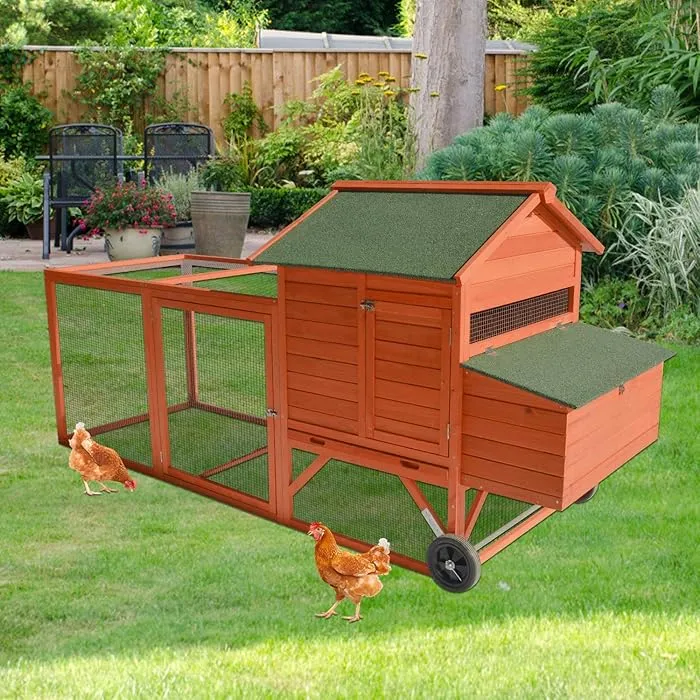
Wheeled Chicken Coop: Planning Your Build
Building a wheeled chicken coop is a rewarding project that offers both you and your chickens numerous benefits. Unlike stationary coops, a mobile coop allows you to rotate your chickens across your yard, providing fresh foraging opportunities, distributing fertilizer naturally, and minimizing the buildup of waste in one specific area. This guide will walk you through every step of building your own wheeled chicken coop, from planning and gathering materials to construction and maintenance. By following these instructions, you can create a comfortable, secure, and easily movable home for your flock, promoting their health and well-being while also enhancing your gardening practices. Proper planning is essential to the success of any building project, and a mobile chicken coop is no exception. The design, size, and location of your coop will significantly impact its functionality and the happiness of your chickens. Take your time with the planning phase, considering all the factors that contribute to a safe and efficient coop.
Choosing the Right Location
The location of your wheeled chicken coop is a crucial consideration. The ability to move the coop is a primary advantage, but where you place it initially sets the stage for its use. Think about the accessibility for both you and your chickens. Consider the layout of your yard, ensuring the coop can navigate through any gates or pathways. Also, remember to check local regulations regarding coop placement and setbacks from property lines. The initial placement should be a strategic decision, considering the needs of the chickens and the practicalities of moving the coop around. A well-chosen location provides a solid foundation for your mobile chicken keeping setup.
Assessing Your Backyard Space

Before you begin, assess the available space in your backyard. Measure the areas you plan to use for the coop and its eventual rotation path. Ensure there’s ample room for the coop to move freely without obstruction. Consider the terrain and whether the wheels will be able to traverse the ground easily. Look for flat, level areas to ensure the coop remains stable. Also, consider the overall aesthetic of your backyard and how the coop’s design will integrate into it. A well-planned assessment will prevent issues later and provide a more pleasant experience for both you and your flock. This proactive approach minimizes potential challenges and sets the stage for a smooth and effective coop setup.
Considering Sunlight and Shade
Sunlight and shade are vital to the well-being of your chickens. When choosing the initial location, consider the amount of sunlight the area receives throughout the day. Chickens need sunlight for vitamin D production, but they also need shade to avoid overheating, especially during the warmer months. Ideally, the coop should be placed where it receives both direct sunlight and partial shade, allowing the chickens to regulate their body temperature and access shelter from the sun. The mobility of the coop allows you to adjust its position throughout the year to maximize sunlight exposure during cooler months and provide more shade during the summer. This flexibility enhances the comfort and health of your chickens.
Determining Coop Size Based on Flock Size
The size of your wheeled chicken coop directly affects the comfort and health of your flock. Overcrowding can lead to stress, increased disease susceptibility, and behavioral issues like pecking. A properly sized coop provides adequate space for roosting, nesting, and moving around. Consider the breed of chickens you plan to raise, as different breeds have different space requirements. It’s better to err on the side of providing more space than less. Adequate space minimizes stress, supports hygiene, and allows the chickens to thrive. Ensuring your chickens have enough room significantly improves their quality of life and makes chicken keeping a more enjoyable experience for everyone involved.
Calculating Space Per Chicken

As a general guideline, allow at least 4 square feet of floor space per chicken inside the coop. In the chicken run, aim for a minimum of 8-10 square feet per chicken. These are minimum recommendations, and more space is always better, particularly if your chickens are confined to the run for extended periods. Ensure your chickens have ample space to move, forage, and interact. This includes space for roosting bars, nesting boxes, and areas for dust bathing. Providing ample space reduces the likelihood of stress-related behaviors and promotes a healthier, happier flock. Proper space allocation is fundamental for successful chicken keeping.
Factors Influencing Coop Dimensions
Several factors influence the ideal dimensions of your wheeled chicken coop. The number of chickens, the breed, and the climate you live in are all critical. Larger breeds typically require more space than smaller ones. In colder climates, you might want a slightly smaller coop to retain heat, while in hotter climates, a larger coop with ample ventilation is beneficial. Consider the amount of time your chickens will spend in the coop versus the run. If your chickens will be confined to the coop for any significant portion of the day, you’ll need a larger coop and run to maintain their well-being. Carefully assess all of these factors to make informed decisions regarding the size and design of your mobile chicken coop.
Gathering Materials and Tools
Once you have a clear plan, it’s time to gather the materials and tools necessary to build your wheeled chicken coop. Careful selection of materials ensures the coop’s durability and longevity, while having the right tools simplifies the construction process and enhances safety. Create a detailed list of everything you’ll need, and consider purchasing materials in advance to avoid delays during construction. A well-prepared approach will significantly speed up the building process and help you avoid unnecessary trips to the store. Prepare the necessary equipment and materials for a streamlined construction process.
Essential Materials for Construction

The choice of materials is a key component of your coop’s lifespan and functionality. The materials you choose should be durable, weather-resistant, and safe for chickens. Select rot-resistant lumber, such as cedar or redwood, for the frame. Use exterior-grade plywood or siding for the walls and roof. Consider using corrugated metal or asphalt shingles for the roof, as they are water-resistant and provide adequate protection from the elements. Hardware cloth is a must for the coop’s windows and ventilation openings to prevent predators from entering. Ensure all materials are non-toxic to your chickens. These choices will guarantee a robust and secure structure for your flock.
Wood Types and Their Suitability
The wood you choose impacts your coop’s durability and how long it lasts. Cedar and redwood are excellent choices due to their natural resistance to rot, insects, and weathering. Pressure-treated lumber can also be used, but ensure it’s labeled as safe for animal contact. Avoid using wood that has been treated with harmful chemicals. Pine is a more affordable option, but it may require more maintenance and treatment to protect it from the elements. Consider the environmental conditions and your budget when selecting the appropriate wood type. Choosing the right wood is critical for both the structural integrity and the safety of your coop.
Hardware Requirements
In addition to wood, you’ll need various types of hardware to assemble your coop securely. Screws, nails, and bolts are essential for joining the different components. Use exterior-grade fasteners to prevent rust and corrosion. Hinges, latches, and handles are needed for doors, nesting boxes, and access points. Staple hardware cloth securely to the frame to keep predators out. Consider the weight and stress the hardware will bear, especially when selecting the wheels and their attachment mechanisms. High-quality hardware ensures your coop is sturdy, secure, and withstands the elements. Invest in reliable hardware for a durable and functional coop.
Tools You’ll Need

Having the right tools will make building your wheeled chicken coop easier and more efficient. A circular saw or hand saw is necessary for cutting wood. A drill and screwdriver are essential for assembling the frame and attaching hardware. A measuring tape and level ensure accuracy. A hammer, staple gun, and pliers are also helpful. Other useful tools include a sander, a paintbrush, and a wood chisel. Ensure you have all the required tools before you start building to avoid interruptions and complete the project more smoothly. Properly equipping yourself with the right tools streamlines the building process and makes the construction more enjoyable.
Safety Equipment and Measures
Safety should always be your top priority when building a chicken coop. Wear safety glasses to protect your eyes from flying debris. Use work gloves to protect your hands. Wear a dust mask or respirator when cutting or sanding wood. Make sure to work in a well-ventilated area. Always follow the manufacturer’s instructions when using power tools. Keep children and pets away from the work area. Be mindful of sharp edges and protrusions. Taking proper safety precautions protects you from injury and ensures a more secure construction process.
Building the Coop Frame
The frame forms the structural skeleton of your wheeled chicken coop. A well-built frame provides the foundation for the entire structure and ensures its stability. Building a sturdy frame involves precision, attention to detail, and adherence to your plans. Careful construction of the frame prevents the coop from warping, wobbling, or collapsing, which will protect your chickens and preserve your investment. Precision and care during the construction of the frame will allow for a solid and functional coop for years to come.
Constructing the Base

The base of the coop is the foundation, so it must be square and level. Build a rectangular or square frame using the dimensions determined during the planning phase. Use corner brackets to ensure the base is square and reinforce the corners. If your coop will have a floor, attach the flooring to the base frame at this stage. Ensure that the base is strong enough to support the weight of the coop, the chickens, and any additional materials. A solid base provides stability and helps distribute the weight evenly, making it easier to move the coop. A well-constructed base is the foundation of a sturdy and mobile chicken coop.
Framing the Walls and Roof
Once the base is complete, frame the walls and roof. Cut the wall studs to the appropriate height and attach them to the base, ensuring they are plumb (perfectly vertical). Use the plans to determine the placement of studs for doors, windows, and any other openings. Frame the roof using rafters or trusses, depending on the design of the coop. Ensure that the roof structure provides adequate overhang to protect the walls from rain and sun. The framing stage determines the shape and size of the coop, so precision and accuracy are crucial. A well-framed coop guarantees the structural integrity and protects your chickens from the elements.
Ensuring Structural Integrity
Structural integrity is paramount. Use appropriate fasteners and construction techniques to make the coop strong and resistant to wind and other external forces. Use corner bracing and diagonal bracing on the walls to add stability. Check all joints to ensure they are securely connected. Regularly inspect the frame for any signs of weakness or damage. A strong frame makes your coop safe and durable, able to withstand the test of time and protect your chickens from predators. A structurally sound coop ensures the safety and longevity of the coop.
Adding the Wheels and Mobility Features

Adding wheels is the defining feature of your mobile chicken coop, providing the ability to move the coop around your yard. The choice of wheels, their attachment, and the mechanism for moving the coop determine its mobility and ease of use. Correctly installing the wheels and any related features ensures the coop can be moved smoothly, safely, and with minimal effort. Consider the terrain and weight of the coop when choosing the appropriate wheels. The wheel system is a crucial aspect that makes the coop functional and maximizes the benefits of a mobile design.
Choosing the Right Wheel Type
Select wheels that are appropriate for the weight of your coop and the terrain of your yard. Pneumatic wheels are ideal for uneven surfaces, as they absorb shock and provide a smoother ride. Solid rubber wheels are more durable and require less maintenance, but they may be less suitable for rough terrain. Consider the size of the wheels; larger wheels make it easier to move the coop over obstacles. Casters with a locking mechanism can be useful for securing the coop in place. The right wheels will make moving your coop a breeze. Careful selection ensures the coop’s mobility and ease of use.
Attaching Wheels Securely
Properly attaching the wheels is essential to the safety and functionality of your mobile coop. Position the wheels at each corner of the coop’s base. Use strong mounting brackets and bolts to secure the wheels to the frame. Ensure the wheels are level and that the coop sits evenly. Consider the weight distribution and the potential for stress on the wheels. Reinforce the frame around the wheel attachment points if necessary. Make sure that the wheels are firmly attached to prevent separation. The wheels must be attached to the coop with the highest degree of safety and reliability.
Implementing a Handle or Towing Mechanism

To move the coop easily, you will need a handle or towing mechanism. A simple handle can be attached to one end of the coop. For larger coops, consider a towing mechanism, such as a hitch that can be attached to a garden tractor or ATV. Ensure the handle or towing mechanism is strong enough to handle the weight of the coop and provides a comfortable grip or connection point. Position the handle or hitch in a way that balances the weight and allows for easy maneuvering. A functional handle or towing mechanism is indispensable for the mobility of your coop.
Incorporating the Coop Interior
The interior of your wheeled chicken coop needs to be both functional and comfortable for your chickens. Consider the elements that contribute to the well-being and happiness of your flock. The layout and design of the interior influence the chickens’ safety, comfort, and overall health. The interior design will greatly contribute to the overall effectiveness of the coop, and will improve your chickens’ quality of life. Thoughtful and well-planned interior elements will contribute to a successful and enjoyable experience.
Designing the Nesting Boxes
Nesting boxes provide a safe and comfortable place for your hens to lay eggs. They should be located in a quiet, dark area of the coop. Provide one nesting box for every 3-4 hens. The boxes should be large enough to accommodate the hens comfortably, with dimensions approximately 12 inches wide, 12 inches high, and 12-14 inches deep. Line the boxes with soft bedding, such as straw, wood shavings, or nesting pads. Ensure the nesting boxes are easily accessible for both the hens and you for collecting eggs. Well-designed nesting boxes promote egg production and minimize the risk of broken eggs. The hens will appreciate the safe and private space the nesting boxes provide.
Creating Roosting Bars
Roosting bars provide a place for chickens to perch and sleep at night. Place the roosting bars high enough off the ground that the chickens feel secure from predators, but low enough that they can easily access them. Provide at least 8-12 inches of roosting space per chicken. The roosting bars should be made of smooth, rounded wood to prevent injury to the chickens’ feet. Position the roosting bars away from the nesting boxes to keep them clean. The roosting bars should be comfortable and safe. This is an important part of their nighttime routine.
Installing a Chicken Run
Consider adding a chicken run to provide additional space for your chickens to forage and exercise. The run can be attached directly to the coop or be a separate, enclosed area. The run should be constructed with hardware cloth to protect the chickens from predators. Provide shade and shelter in the run, as well as access to fresh water and feed. The size of the run should allow the chickens ample space to move around and explore. A well-designed run enhances the chickens’ quality of life and provides them with fresh air and sunshine. The run contributes to a healthier and happier flock.
Securing the Coop from Predators
Protecting your chickens from predators is a crucial aspect of owning a chicken coop, especially a mobile one. Preventing predators from accessing the coop is essential to the safety and well-being of your flock. The design of the coop, the materials used, and the steps taken during construction all influence the effectiveness of predator control. A well-protected coop keeps your chickens safe and your mind at ease. The measures taken during the construction of the coop play a critical role in the long-term safety of your flock.
Using Hardware Cloth and Secure Latches
Hardware cloth is a strong, wire mesh that can be used to prevent predators from entering the coop. Use hardware cloth for all windows, ventilation openings, and the chicken run. Ensure the mesh is securely attached to the frame. Use secure latches and locks on all doors and access points. The latches should be predator-proof, meaning they cannot be easily opened by raccoons or other animals. Inspect the coop regularly for any signs of damage or weakness in the predator defenses. Hardware cloth and secure latches are the primary defenses against predators, helping you protect your flock from potential harm. A secure coop provides peace of mind knowing that your chickens are safe.
Burial of Hardware Cloth around the Perimeter
To prevent predators from digging under the coop, bury the hardware cloth around the perimeter. Dig a trench around the outside of the coop, extending at least 12 inches deep. Attach the hardware cloth to the bottom of the coop frame and extend it outward and down into the trench. Backfill the trench with soil, burying the hardware cloth. This buried barrier prevents predators from digging under the coop and gaining access. Burying the hardware cloth is an additional layer of protection that can significantly reduce the risk of predation. Burying the hardware cloth reinforces the coop’s defenses and contributes to a safer environment for your chickens.
Regular Maintenance and Cleaning
Regular maintenance and cleaning are crucial for the health and well-being of your chickens and the longevity of your wheeled coop. A clean coop helps prevent diseases, reduces odors, and provides a more comfortable living environment for your flock. Regular maintenance prevents the coop from deteriorating and ensures it remains safe and functional. Making maintenance and cleaning a routine practice is essential for a healthy flock and a long-lasting coop. The maintenance routine is vital to keeping your chickens healthy and your coop functional.
The key to a successful wheeled chicken coop is planning, preparation, and consistent upkeep. This guide has provided you with the necessary information to build a functional and effective mobile coop. From planning and gathering materials to construction, wheel installation, and predator-proofing, each step is essential. By following these instructions, you can build a secure, comfortable, and easily movable home for your chickens. Remember to prioritize the well-being of your flock and maintain the coop regularly. Your chickens will be grateful, and you’ll enjoy the many benefits of having a mobile chicken coop.