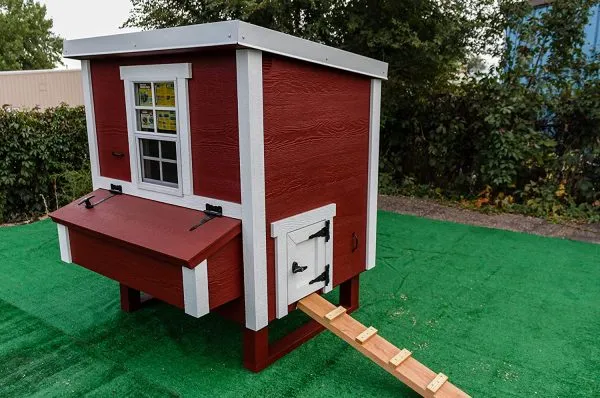
Planning Your Winter Chicken Coop Setup
Preparing your chicken coop for winter is crucial for the health and well-being of your flock. This guide provides simple steps to ensure your chickens are comfortable and safe during the cold months. Proper planning and preparation can prevent many winter-related problems, from frozen waterers to frostbite. Start early, ideally before temperatures drop significantly, to give yourself ample time to implement these winterization strategies. Taking these steps will help ensure your chickens continue to thrive through the winter.
Assessing Your Current Coop
Before making any changes, take a close look at your existing coop. A thorough assessment will help you identify areas that need attention and determine the best course of action for winterizing. Examine the coop from the inside out, looking for potential problems that could affect your chickens during the cold weather. This initial evaluation is essential for creating a safe and comfortable environment for your chickens.
Inspecting for Drafts and Leaks

Drafts and leaks can quickly make a chicken coop uncomfortably cold. Carefully check all walls, the roof, and the floor for any openings. Seal any cracks or gaps with caulk or weather stripping. Ensure that doors and windows fit snugly. Check for leaks during rain to prevent moisture buildup. Addressing drafts and leaks is a fundamental step in creating a warm, secure environment. (Image: chicken-coop-drafts.webp)
Evaluating Ventilation
Ventilation is just as important as insulation. Ensure your coop has proper ventilation to allow moisture and ammonia to escape. While you want to keep the cold air out, you also want to prevent the buildup of humidity, which can lead to frostbite. Check your existing ventilation system and ensure it is functioning correctly. Make sure that there is always enough ventilation to keep air fresh and the coop dry, without creating a draft directly on the chickens.
Calculating Space Needs for Winter
Chickens spend more time inside the coop during winter, so adequate space is vital. Overcrowding can lead to stress, increased aggression, and poor air quality. Evaluate how many chickens you have and ensure there is sufficient space per bird. Calculate the floor space and nesting box space to ensure your flock has enough room. A crowded coop can increase the risk of disease and reduce overall well-being.
Considering Chicken Breed and Climate
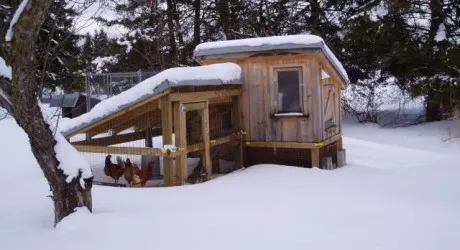
Different chicken breeds have varying cold tolerance levels. Some breeds, such as Wyandottes and Orpingtons, are more cold-hardy than others. Also, take your local climate into account. Consider the typical winter temperatures, snowfall, and wind conditions in your area. Tailor your winterization efforts to your specific situation, as chickens in milder climates may need less preparation than those in harsh environments. Selecting the right breeds for your climate can also greatly reduce the effort required for winter coop care.
Planning Coop Size for Winter
The coop size needs to be sufficient for the number of chickens, especially when they spend most of their time indoors. Overcrowding can lead to stress and health problems. Ensure each chicken has enough space to roost and move comfortably. For a general guideline, allow at least 4 square feet per chicken inside the coop. Overcrowding can lead to decreased health and increased risk of disease. Ensure the coop is large enough to accommodate the flock comfortably through the winter.
Essential Winter Coop Features
Essential features for a winter chicken coop can make a big difference in the comfort and health of your chickens. These features, when properly implemented, will help protect your flock from the elements, maintain a stable temperature, and provide a healthy environment. From insulation to a well-planned ventilation system, the following features are must-haves for ensuring your chickens thrive during the colder months. Prioritizing these features is the best way to keep your chickens happy and healthy.
Insulation Strategies for Winter

Insulation is a key element in keeping the coop warm during winter. It helps to retain heat generated by the chickens and prevents cold air from penetrating the coop. Proper insulation is not only crucial for the chickens’ comfort but also for their health, as it reduces the risk of frostbite and other cold-related illnesses. Adequate insulation also prevents the water from freezing easily.
Types of Insulation Materials
Several types of insulation materials can be used in a chicken coop. Consider options such as fiberglass, rigid foam board, or even natural materials like straw bales. Fiberglass is a common choice, but ensure it is properly installed to avoid moisture absorption. Rigid foam board is another effective option, offering good insulation value. Straw bales can also be used to insulate coop walls. Select the material that best suits your budget, local climate, and coop design. (Image: chicken-coop-insulation.webp)
Insulation Installation Best Practices
Proper installation of insulation is vital for its effectiveness. Ensure that the insulation fits snugly and covers all surfaces where heat loss is possible. Seal all gaps and cracks around windows, doors, and other openings to prevent drafts. For fiberglass insulation, wear protective gear during installation. With foam board, make sure it’s properly secured. Proper installation ensures your chickens stay warm throughout the winter months, providing a comfortable and healthy living environment.
Heating Options for Winter Coops

Heating your chicken coop during winter can provide an extra layer of protection against the cold, but it’s crucial to do it safely and effectively. While some chicken breeds can tolerate cold temperatures, others might benefit from a supplemental heat source. Consider your local climate, the breed of your chickens, and your comfort level. Careful planning and the right heating options can help keep your chickens warm and cozy.
Safe Heating Methods
If you choose to use a heater, safety should be your top priority. Avoid using open-flame heaters, which pose a significant fire hazard. Consider using a radiant heater or a panel heater specifically designed for chicken coops. Always follow the manufacturer’s instructions for installation and use. Position the heater away from flammable materials. Regular inspections are also essential to make sure everything is operating correctly. (Image: winter-coop-heating.webp)
Heating Considerations for Chicken Health
While heating can keep your chickens warm, it’s important not to overheat the coop. Excessive heat can be just as detrimental to their health as extreme cold. Provide adequate ventilation to prevent the buildup of moisture. The goal is to maintain a temperature that’s comfortable for the chickens without causing them to overheat. Monitor the coop temperature regularly and adjust the heating as needed. A well-managed heating system contributes to the overall health and well-being of your flock.
Ventilation in Winter for Health

Good ventilation is crucial, even in winter. While you want to keep the cold out, you also need to manage moisture and ensure fresh air circulation. Proper ventilation helps to remove moisture, ammonia, and other harmful gases. Effective ventilation helps prevent respiratory issues, frostbite, and other health problems. Maintaining good air quality inside the coop ensures a healthier environment for your chickens to thrive during the colder months.
Managing Moisture and Ammonia
Moisture and ammonia can quickly build up in a poorly ventilated coop. High humidity leads to frostbite and respiratory issues. Ammonia, produced by chicken waste, can irritate their respiratory systems. Ensure the coop has adequate ventilation to remove these harmful elements. Consider using absorbent bedding materials and cleaning the coop regularly. Keeping the coop dry and well-ventilated supports your chickens’ health and comfort throughout the winter.
Maintaining Air Quality
Fresh air is essential for maintaining the health of your flock. Ensure the coop has adequate ventilation to allow air circulation. This includes providing openings at the top of the coop to allow warm, moist air to escape, while avoiding drafts. Regularly cleaning the coop and replacing bedding helps maintain good air quality. Proper air quality reduces the risk of respiratory diseases and promotes the well-being of your chickens. Careful ventilation is a balancing act between keeping the coop warm and removing harmful elements.
Winter Coop Bedding and Upkeep

Choosing the right bedding and maintaining a regular cleaning schedule are essential for a healthy winter chicken coop. Bedding provides insulation, absorbs moisture, and helps to keep the coop clean. A well-maintained coop minimizes the risk of diseases and ensures that your chickens have a comfortable and hygienic environment during the winter months. Regular cleaning and maintenance is one of the most important aspects of coop care.
Best Bedding Materials for Winter
Several bedding options can be used in your chicken coop during winter. Straw is a popular choice, as it provides excellent insulation and absorbs moisture. Wood shavings, especially large flakes, are another good option, but it’s important to use dust-extracted shavings to avoid respiratory problems. Choose bedding material that absorbs moisture well and provides insulation. The right bedding keeps the coop warm and dry. Consider the cost and availability of the bedding when making your choice.
Bedding Depth and Management
The depth of the bedding is crucial for its effectiveness. Use a thick layer, typically 6-12 inches, to provide adequate insulation. Regularly turn the bedding to aerate it and prevent compaction. Remove wet or soiled bedding as needed. The deep litter method, where you add fresh bedding on top of existing bedding, can also be an option to keep the coop warm throughout winter. Proper bedding management prevents ammonia buildup and promotes a healthy environment.
Cleaning and Maintenance Schedule

Establishing a regular cleaning and maintenance schedule is critical for a healthy coop. Remove droppings and wet bedding as needed. Clean the waterers and feeders regularly. A thorough cleaning, including removing all bedding and disinfecting the coop, should be done at least twice a year, in the spring and fall. Regular cleaning prevents the buildup of harmful bacteria and keeps the coop fresh and clean. (Image: winter-chicken-feeding.webp)
Protecting Water Sources in Winter
Keeping your chickens’ water sources from freezing during winter is a significant challenge. Frozen water can prevent chickens from drinking, leading to dehydration. There are several strategies you can use to ensure your chickens have access to fresh water throughout the winter. Proper planning and the right equipment are crucial to providing a reliable water source for your flock.
Preventing Frozen Water
The most important step is preventing the water from freezing in the first place. Insulate your water containers to slow the freezing process. Place the waterer in a sheltered location within the coop. Check the water several times a day and break up any ice that forms. These simple steps can make a big difference in keeping your chickens hydrated during the coldest months. This also helps reduce the need for extra work, such as constant ice removal.
Heated Waterers and Alternatives
Heated waterers are a convenient solution for preventing frozen water. These waterers are designed to keep the water from freezing, even in sub-zero temperatures. Choose a heated waterer that’s the right size for your flock and easy to clean. If you prefer not to use a heated waterer, you can also try placing the water container on a heated base. Regular water changes and diligent monitoring are key. (Image: winter-chicken-waterer.webp)
Watering Schedule in Winter
Check and refill your chickens’ water sources at least twice a day, especially during freezing temperatures. Break up any ice and ensure that the water is readily available. Make sure the water is fresh and clean. Providing fresh water is essential for their health and hydration. Regularly monitoring and maintaining your chickens’ water supply can prevent them from becoming dehydrated and ensure their well-being throughout the winter.
Chicken Health and Winter Care
Winter weather can be tough on chickens, making it essential to pay extra attention to their health and well-being. Proper nutrition, monitoring for illness, and providing adequate light can help your flock thrive. A proactive approach to health care will minimize the risk of disease and ensure your chickens stay healthy throughout the winter months. Prioritizing their health will help your flock remain productive and happy.
Feeding Your Chickens in Winter
Chickens need more energy during the winter to stay warm. Adjust their diet to meet their increased nutritional needs. Providing high-quality feed, supplementing their diet with extra treats, and ensuring they have access to fresh water will support their health. Feed your chickens a higher-protein feed to help them stay warm. (Image: winter-chicken-feeding.webp)
Nutritional Needs in Cold Weather
Chickens burn more calories to stay warm in the winter. Increase their protein and fat intake to provide them with the extra energy they need. A layer feed with higher protein content will help them maintain body heat and continue laying eggs. Consider supplementing their diet with treats such as scratch grains, seeds, or dried mealworms. It’s very important to provide plenty of fresh water, as it’s essential for proper digestion and nutrient absorption.
Supplementing the Diet for Winter
Supplementing your chickens’ diet can provide extra nutrients and help them stay healthy during winter. Give them scratch grains, which provide additional energy and help to keep them warm. Dried mealworms are a great source of protein. Vegetables and fruits provide essential vitamins and minerals. Always provide a source of grit to aid in digestion. Supplementing their diet helps boost their immune system, enabling them to better withstand the cold weather.
Signs of Winter Illness and Injury
Keep a close eye on your chickens for any signs of illness or injury. Early detection is essential for effective treatment. Observe your flock daily for any unusual behavior. Catching the symptoms early ensures that your chickens receive prompt care. With careful monitoring, you can minimize health problems and keep your flock healthy during the winter months.
Common Winter Chicken Ailments
Watch out for common winter illnesses like frostbite, respiratory infections, and coccidiosis. Frostbite affects combs, wattles, and feet, causing tissue damage. Respiratory infections, often caused by cold and damp conditions, can cause coughing and sneezing. Coccidiosis is a parasitic disease that can be exacerbated by stress and poor coop conditions. Identifying the symptoms and taking preventative measures is essential. (Image: healthy-winter-chickens.webp)
Emergency Preparedness for Chickens
Be prepared for emergencies. Have a plan in place for dealing with sick or injured chickens. Keep a well-stocked first-aid kit with essential supplies. Contact your veterinarian promptly if you suspect a serious illness or injury. Knowing what to do in an emergency will help you respond quickly and effectively. Being prepared for emergencies ensures that your flock receives the care they need.
Ensuring Adequate Light for Chickens
During winter, the days are shorter, and chickens need sufficient light to maintain egg production and overall health. Providing supplemental lighting can make a big difference in the well-being of your flock. Careful planning and the right lighting can help your chickens thrive through the winter. Make sure the chickens have enough light to produce eggs.
Supplemental Lighting Options
Several lighting options can be used to provide supplemental light. The most common is using a light bulb designed for chicken coops, such as a red heat lamp or a standard LED bulb. The right lighting can make a big difference in the well-being of your flock. Providing supplemental lighting can help to stimulate egg production and improve their health. LED lights are more energy-efficient and safe to use.
Lighting Duration and Intensity
Chickens need approximately 14-16 hours of light per day to maintain egg production. During winter, when daylight hours are shorter, you can use supplemental lighting to make up the difference. Gradually increase the light duration as needed. Monitor the chickens’ behavior and adjust the light intensity accordingly. Providing the correct amount of light is vital to their egg production and their health. Be careful to not overdo it.
Placement and Safety of Lights
Proper placement and safety are critical when installing lights in your coop. Position the lights in a way that illuminates the entire coop area. Ensure that the lights are securely installed and out of reach of the chickens. Using appropriate fixtures and wiring is crucial for preventing fire hazards. Regularly inspect the lights and wiring for any damage or wear. Safe lighting practices are essential for the chickens’ safety. (Image: chicken-coop-lighting.webp)
Final Thoughts on Winter Chicken Coop
Preparing your chicken coop for winter is essential to ensure your chickens remain healthy and productive. By following these simple steps, you can create a safe and comfortable environment for your flock during the colder months. Remember to assess your coop, address drafts and leaks, insulate the coop, provide adequate ventilation, and maintain a clean and dry environment. Providing supplemental heat and light, proper nutrition, and keeping an eye on your chickens’ health will also make a significant difference. With a little planning and effort, you can help your chickens thrive throughout the winter season.