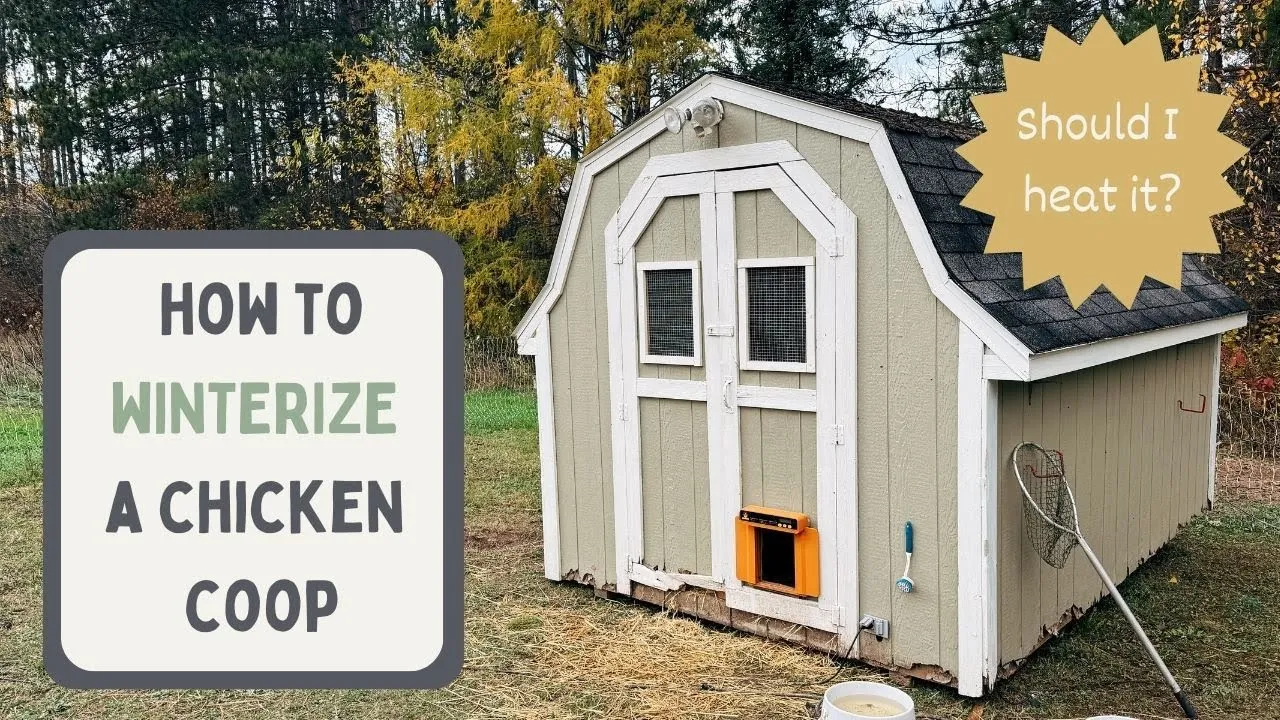
Why Winterize Your Chicken Coop
As temperatures drop, ensuring your chicken coop is winter-ready is crucial for the health and well-being of your flock. Chickens, while resilient, are susceptible to cold stress and other winter-related challenges. Winterizing your chicken coop is more than just a seasonal chore; it’s a commitment to responsible poultry care. This proactive approach safeguards your chickens from the harsh elements, promoting their continued health, egg production (in some breeds), and overall happiness throughout the colder months. By taking the time to prepare, you provide a comfortable and safe environment for your chickens to thrive, even when the weather outside is frightful.
Protecting Chickens from the Cold
The primary goal of winterizing is to protect your chickens from the cold. This involves understanding their cold tolerance, identifying the potential dangers, and taking appropriate measures to mitigate the risks. Chickens are surprisingly hardy, but they need our help to thrive in freezing temperatures. Preparing the coop is the best way to ensure a healthy and happy flock.
Understanding Chicken Cold Tolerance

Different chicken breeds have varying levels of cold tolerance. Breeds like Wyandottes, Orpingtons, and Brahmas, with their dense feathers and larger body mass, are better equipped to handle colder climates. Lighter breeds, such as Leghorns, may require more protection. Consider your breed’s specific needs when winterizing your coop and adjust your strategies accordingly. Generally, chickens can tolerate temperatures well below freezing, provided they have adequate shelter from wind and drafts. The key is to provide a dry and draft-free environment.
Dangers of Cold Stress
Cold stress can lead to several health issues in chickens. Frostbite is a significant concern, particularly on combs, wattles, and feet. Prolonged exposure to cold can also weaken the immune system, making chickens more susceptible to diseases. Furthermore, egg production may decrease or cease altogether as chickens divert energy to stay warm. Severe cold stress can even be fatal. Regular monitoring of your flock, along with implementing winterization strategies, can prevent these problems.
Smart Tip 1 Insulate the Coop
Insulation is one of the most effective ways to keep your chicken coop warm in winter. It helps to trap the chickens’ body heat and prevent drafts. Proper insulation can significantly reduce the amount of heat lost through the walls, roof, and floor of the coop, maintaining a more stable and comfortable temperature inside. This is especially important on extremely cold nights, when the temperature can plummet rapidly. Insulation not only keeps the coop warmer, but it can also reduce condensation, keeping the environment dryer and healthier for the chickens.
Insulation Materials

There are several insulation materials to choose from, each with its pros and cons. Common options include fiberglass batts, rigid foam boards, and reflective insulation. However, avoid materials that chickens can easily peck at and ingest, as this can be harmful. Consider using materials like straw or wood shavings, which are safe and provide additional warmth. When installing insulation, ensure there are no gaps or cracks where cold air can enter. Seal all seams and edges carefully to maximize the insulation’s effectiveness. The best insulation will depend on your coop’s design and your budget.
Proper Ventilation
While insulation keeps the cold out, proper ventilation is equally important to prevent moisture buildup. Good ventilation allows for the removal of ammonia and moisture from the coop, which can lead to respiratory problems and other health issues. Ventilation also helps to regulate the temperature, preventing the coop from becoming too stuffy. The goal is to strike a balance between retaining warmth and allowing for adequate airflow. This can be achieved by strategically placing vents and ensuring proper airflow within the coop structure.
Smart Tip 2 Provide Adequate Ventilation
Ventilation is essential for maintaining a healthy environment inside the chicken coop, especially during the winter months. Proper ventilation helps to remove moisture, ammonia, and other harmful gases that can build up due to the chickens’ droppings and respiration. Without adequate ventilation, these elements can contribute to respiratory diseases and other health problems. It’s a critical component of any effective winterizing strategy.
Ventilation Basics

The key to good ventilation is to allow for fresh air to circulate without creating drafts. The best ventilation systems allow air to enter near the roofline and exit lower down, creating a natural airflow. Avoid sealing the coop completely, as this can trap moisture and harmful gases. Ensure vents are protected from the elements, so snow and rain cannot enter the coop. Consider using a combination of vents, windows, and the coop’s natural construction to optimize airflow.
Avoiding Drafts
While ventilation is important, you also need to avoid drafts, as they can chill your chickens and make them susceptible to illness. Seal any cracks or gaps in the coop walls and roof. Ensure that doors and windows fit snugly. Consider using weather stripping around doors and windows to further reduce drafts. Drafts can be particularly dangerous during cold winter nights, so careful attention to sealing the coop is crucial.
Smart Tip 3 Manage Water and Feeding
Providing fresh water and adequate food are essential for chickens, especially during winter. Cold weather can make it more challenging to keep water from freezing and to ensure that chickens have enough to eat to maintain body heat. Managing water and feeding requires some extra attention during the winter months.
Preventing Water from Freezing

Water is essential for chickens, and it must be available at all times, even when temperatures are below freezing. There are several ways to prevent water from freezing. One option is to use a heated waterer, which keeps the water at a consistent temperature. Another option is to place the water container in a sheltered area, away from drafts and direct sunlight. You can also change the water frequently throughout the day, as chickens will often prefer fresh, unfrozen water. Regularly check the water source to ensure it’s not frozen.
Feeding Strategies for Winter
Chickens need more food in the winter to maintain their body heat. Provide a high-quality feed with increased protein and carbohydrates. You can also supplement their diet with scratch grains, which provide extra energy. Make sure to provide the feed in a location protected from the elements. Ensure they have access to their feed throughout the day. Avoid overfeeding; chickens should eat what they need and not leave feed sitting around.
Smart Tip 4 Enhance Coop Lighting
During winter, the days are shorter, which can affect egg production and the chickens’ overall well-being. Supplemental lighting can help to counteract the effects of the shorter days and keep your flock laying eggs. The addition of light is a simple, yet effective, way to enhance your coop during winter.
Benefits of Supplemental Light

Chickens require a certain amount of daylight to stimulate egg production. By providing supplemental light, you can extend the length of the day, tricking your chickens into laying more eggs. Additionally, supplemental light can help to keep your chickens active and engaged, which can reduce boredom and improve their overall health. Be sure to provide the light on a consistent schedule to avoid disrupting their natural laying cycle. Using a timer is a good idea.
Lighting Options
There are several lighting options to choose from, including incandescent bulbs, LED bulbs, and specialized poultry lights. LED lights are energy-efficient and long-lasting, making them a good choice for most chicken coops. Consider using a red or pink bulb, which is less likely to trigger pecking behavior among your flock. Place the light high enough to prevent chickens from reaching it and ensure that it’s securely mounted. Choose a light that provides adequate illumination without being too bright, as excessive light can be stressful for chickens. A timer is recommended.
Smart Tip 5 Prepare the Run
The run is the outdoor area where your chickens spend their time. Preparing the run for winter is essential for protecting them from the elements and providing them with a safe and stimulating environment, even when the weather is harsh. This involves considerations for snow, wind, and boredom, all of which should be addressed to make their outdoor time manageable.
Protecting the Run from Snow and Wind
Snow and wind can make the run a harsh environment. Consider providing a covered area in the run to offer shelter from the elements. This can be as simple as attaching a tarp or building a small roofed structure. You can also use windbreaks, such as fences or burlap, to reduce the wind chill. Removing snow from the run regularly is helpful to prevent it from becoming icy and slippery. Providing a dry space is crucial for the chickens’ comfort and health.
Providing Entertainment
Chickens can get bored during the winter months when they are confined to the coop and run. Providing entertainment can help to keep them active and engaged, reducing stress and boredom-related behaviors. Consider providing them with toys, such as hanging vegetables or pecking blocks. You can also scatter scratch grains or treats in the run to encourage foraging behavior. Rotating toys and activities can keep the environment stimulating. A happy chicken is a healthy chicken.
By implementing these five smart tips – insulating the coop, providing adequate ventilation, managing water and feeding, enhancing coop lighting, and preparing the run – you can ensure your chickens are safe, healthy, and comfortable throughout the winter. Winterizing your chicken coop is an investment in your flock’s well-being, allowing them to thrive even in the coldest temperatures. Remember to monitor your flock regularly and make adjustments as needed to provide the best possible care. Happy wintering!