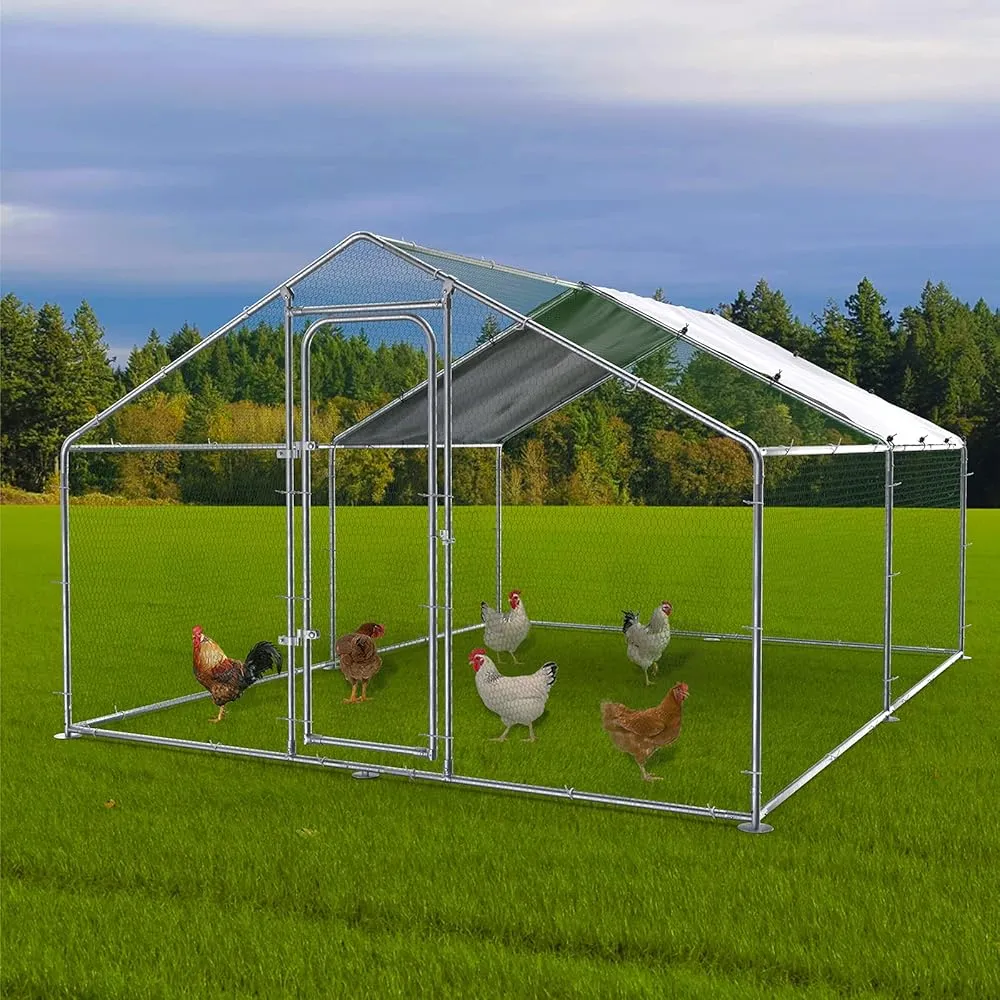
Essential Features for a Wire Chicken Coop
Building a wire chicken coop is a rewarding project, offering a secure and comfortable home for your flock. However, the right design is crucial for the health and safety of your chickens. This article will delve into the top 7 features to consider when planning your wire chicken coop. From selecting the appropriate wire gauge to ensuring proper ventilation, each element plays a vital role in creating a thriving environment for your birds. Careful planning and attention to detail will ensure your coop is both functional and aesthetically pleasing, providing your chickens with a safe haven and you with peace of mind. A well-designed wire coop can also make the process of cleaning and maintaining the coop significantly easier, saving you time and effort in the long run. Consider each of these features carefully when embarking on your wire chicken coop project to guarantee a successful and enjoyable experience.
Wire Gauge and Material Selection
The foundation of any wire chicken coop is the wire itself. Choosing the right wire gauge and material is paramount for security and durability. The gauge refers to the thickness of the wire; a lower gauge number indicates a thicker, stronger wire. For chicken coops, especially those exposed to predators, it’s recommended to use hardware cloth with a gauge of 19 or 20, which is approximately 0.41 to 0.45 inches in diameter. This thickness provides robust protection against digging predators and keeps your chickens safe. The material should be galvanized steel, which is resistant to rust and corrosion. Ensure the galvanization process is done well to provide long-lasting protection against the elements. Consider the environment your coop will be in and select materials that can withstand weather conditions. Proper wire selection prevents costly repairs and ensures your chickens are always protected.
Determining the Right Wire Mesh Size

The mesh size of your wire is another critical factor. Small mesh sizes offer increased security and prevent predators from reaching through the wire. A common and recommended mesh size for chicken coops is 1/2 inch by 1/2 inch or 1/2 inch by 1 inch. This size effectively keeps predators out while still allowing for good airflow and visibility. Larger mesh sizes, while possibly easier to work with, can pose a significant risk as they may allow predators such as raccoons, foxes, or even rats to enter the coop. Smaller mesh sizes also prevent chickens from sticking their heads through the wire and getting injured. It is crucial to strike a balance between security and functionality when selecting the mesh size. Make sure to check local building codes, as some areas may have specific regulations regarding mesh size to ensure safety and prevent the spread of diseases.
Impact on Chicken Security
The security of your wire chicken coop is paramount for the health and safety of your flock. A secure coop protects chickens from a variety of threats, including predators like foxes, coyotes, raccoons, and hawks, as well as domestic animals. The wire, along with other design elements such as sturdy doors and secure latches, plays a vital role in keeping your chickens safe. Poorly constructed or flimsy coops can easily be breached, leading to the loss of chickens. A well-secured coop also prevents chickens from escaping and potentially causing problems in the neighborhood. Regular inspection of the wire and coop structure is essential to ensure that it remains secure over time. Addressing any potential weaknesses or damage immediately will help you maintain a safe environment for your chickens.
Predator-Proofing Your Coop
Predator-proofing goes beyond just the wire mesh. It involves several design considerations to ensure the coop is impenetrable. Burying the wire mesh underground, extending it outwards from the base of the coop, prevents digging predators from accessing the coop from below. Reinforcing the corners and edges of the coop with additional wire or metal flashing strengthens vulnerable points. Using secure latches and locks on doors and windows is critical to prevent predators from gaining entry. Overhanging roofs can deter climbing predators, while sturdy perches away from the wire can keep chickens safe from reaching predators. Regularly inspect the coop for any signs of damage or potential entry points and address them promptly. Consider installing motion-activated lights and other deterrents to further enhance security. Predator proofing is an ongoing process and an investment in the well-being of your flock.
Hardware Cloth vs. Welded Wire

When choosing wire for your coop, you’ll encounter two primary options hardware cloth and welded wire. Hardware cloth is a woven wire mesh, generally made from galvanized steel and is exceptionally sturdy, making it a good choice for predator protection, especially against digging predators. The weave construction of hardware cloth also makes it difficult to cut or tear. Welded wire, as the name suggests, consists of wires welded together at their intersections. It comes in various gauges and mesh sizes, offering flexibility in design. Welded wire can be easier to work with for some builders because it is more rigid. However, the welded points can be susceptible to rust and can be easier for predators to manipulate. For maximum protection, especially in areas with high predator pressure, hardware cloth is often the better option. Consider the pros and cons of each based on your specific needs, budget, and the level of predator protection required.
Ventilation and Airflow
Proper ventilation is critical for the health and well-being of your chickens. Adequate airflow helps to remove moisture, ammonia, and other harmful gases that can build up inside the coop. Without sufficient ventilation, chickens can develop respiratory problems and other health issues. Poor ventilation also creates an environment conducive to mold and bacteria growth. Ventilation also plays an important role in regulating the coop temperature. It helps to cool the coop in the summer and prevent excessive moisture buildup in winter. A well-ventilated coop will have fewer health issues and keep the chickens healthier. Proper ventilation, alongside with regular cleaning and maintenance, creates a more pleasant environment for both the chickens and their keepers.
Importance of Proper Ventilation
Good ventilation is essential for maintaining air quality within the coop. Chicken droppings release ammonia, which can be toxic in high concentrations. Proper ventilation helps to dilute and remove ammonia, protecting your chickens from respiratory problems and other health issues. Additionally, ventilation controls moisture levels within the coop. Excess moisture can lead to the growth of mold and bacteria, creating an unhealthy environment. By removing moisture, ventilation helps to keep the coop dry and clean, reducing the risk of disease. Proper ventilation also helps to regulate the temperature inside the coop, helping to keep chickens cool in the summer and warm in the winter. Ensuring good ventilation is a fundamental part of maintaining a healthy and comfortable environment for your chickens.
How to Design for Optimal Airflow

Designing a coop for optimal airflow involves several key considerations. Provide vents high up in the coop, near the roofline, to allow warm, moist air to escape. Also include vents lower down, near the floor, to allow fresh air to enter. Avoid placing vents directly above roosting bars as this can create drafts for the chickens. Consider using a ridge vent along the roof to promote consistent airflow along the entire length of the coop. Ensure that the coop has sufficient space for the number of chickens you plan to house. Overcrowding can hinder airflow and increase humidity. Orient the coop to take advantage of prevailing winds to enhance natural ventilation. Protect the vents with wire mesh to prevent predators and pests from entering. Combining these design features will help ensure that the coop has excellent air circulation and a healthy environment for your chickens.
Flooring Options and Considerations
Choosing the right flooring for your wire chicken coop is a crucial decision that affects cleaning, comfort, and overall hygiene. Several options are available, each with its own set of advantages and disadvantages. The best flooring choice will depend on your specific needs and the environment you’re creating for your chickens. Considerations include ease of cleaning, ability to prevent pest infestations, and impact on chicken health. Flooring impacts the overall maintenance of the coop. Some materials require more frequent cleaning than others. Consider your available time and the resources you are willing to invest in coop maintenance. The right flooring choice can contribute significantly to a healthy and productive chicken-keeping experience.
Solid vs. Wire Mesh Flooring
Two common flooring options for chicken coops are solid flooring and wire mesh flooring. Solid flooring, typically made of wood or concrete, is easier to clean and provides a more comfortable surface for chickens to walk on. It also helps to retain heat in the coop during colder months. However, solid flooring can trap moisture, leading to the buildup of ammonia and potentially creating an environment conducive to bacteria growth. Wire mesh flooring, on the other hand, allows droppings to fall through, promoting better ventilation and reducing the need for frequent cleaning. This setup can also help with pest control. However, wire mesh flooring can be uncomfortable for chickens and can cause foot problems if the mesh size is too large. Weigh the pros and cons of each to find a solution that best suits your flock’s needs.
Benefits and Drawbacks of Each Flooring Type

Solid flooring offers advantages, including ease of cleaning with appropriate bedding, comfort, and warmth. The drawbacks include the potential for moisture retention, which can lead to an increase in ammonia levels and the need for more frequent cleaning. Wire mesh flooring provides excellent ventilation and helps keep the coop cleaner by allowing droppings to fall through. However, it can be uncomfortable for chickens feet, and the mesh may need to be covered with some sort of material. The choice of flooring depends on several factors, including climate, the size of your flock, and your personal preferences regarding cleaning and maintenance. Many chicken keepers opt for a combination of these flooring types, such as a solid floor in the nesting boxes and roosting area and wire mesh in the main coop area, to leverage the benefits of each.
Ease of Cleaning and Maintenance
Ease of cleaning and maintenance is an essential factor to consider when building a wire chicken coop. A coop that is easy to clean will save you time and effort. Regular cleaning is crucial for maintaining a healthy environment for your chickens and preventing the buildup of harmful bacteria and odors. Design your coop with easy-to-access areas, such as large doors and removable components. The choice of materials and design features can have a significant impact on how easy it is to keep your coop clean. Simple design and a focus on functional components can make your coop a joy to maintain. Proper planning from the start is crucial to simplify the ongoing upkeep and ensure the well-being of your flock.
Cleaning Methods
Effective cleaning methods are essential to maintain a healthy chicken coop. Begin by removing soiled bedding, droppings, and any spilled feed. Use a coop scraper or shovel to remove debris, making sure to reach all areas of the coop. Regularly sweep the floors and walls, paying special attention to the corners. Use a coop-safe disinfectant to clean the surfaces. A solution of water and white vinegar is a safe and effective option. Allow the coop to dry completely before adding fresh bedding. Replace bedding frequently. Thorough cleaning can be done monthly, or more often if needed. Proper cleaning practices are a commitment to the health and well-being of your chickens.
Durability and Longevity of Materials

The durability and longevity of the materials used in your wire chicken coop determine how long it will last and how well it will withstand the elements. Investing in high-quality materials, such as galvanized steel wire, pressure-treated lumber, and rust-resistant hardware, will ensure that your coop can withstand harsh weather conditions, pest infestations, and general wear and tear. Choose materials known for their durability and resistance to rot, rust, and other forms of damage. Regular inspections and maintenance, such as painting or staining the wood, will extend the life of your coop and keep it looking its best. Selecting durable materials will save you money and effort in the long run by minimizing the need for repairs and replacements. Also, consider the placement of the coop to maximize its lifespan, opting for a location that provides some shelter from the wind and sun.
Space and Capacity Planning
Planning the space and capacity of your wire chicken coop is crucial for the health and happiness of your chickens. Overcrowding can lead to stress, disease, and behavioral issues within the flock. Proper space planning involves calculating the amount of space each chicken needs for comfortable living, nesting, and roosting. Consider the size and breed of your chickens, as different breeds have different space requirements. Always prioritize the well-being of your chickens by providing sufficient space for them to move around, socialize, and perform their natural behaviors. Adequate space helps to reduce stress, prevent injuries, and create a more productive environment for egg-laying hens. Properly sized coops can improve the overall quality of life for your chickens and create a better experience for you as a chicken keeper.
Calculating Space per Bird
A general guideline for calculating the space per bird is to provide at least 4 square feet of floor space per chicken inside the coop. This measurement accounts for the space needed for roosting, feeding, and general movement. For the run area, aim for at least 8-10 square feet per bird. Keep in mind that larger breeds of chickens may require more space. Additional space is often needed for nesting boxes and perches. Providing ample space prevents overcrowding and reduces stress. For larger flocks, the appropriate space will result in fewer issues and a happier flock. Planning the proper space from the outset will significantly contribute to the overall health and happiness of your chickens.
Coop Size Recommendations Based on Flock Size

The recommended coop size varies depending on the number of chickens you plan to keep. For a small flock of 3-4 chickens, a coop with 12-16 square feet of floor space may be sufficient. As your flock grows, increase the coop size accordingly. For example, a flock of 6-8 chickens will require 24-32 square feet. Also consider the run size; always increase the size of the run in proportion to the size of the flock. It is always better to overestimate the space needed than to underestimate it. Providing adequate space prevents overcrowding and reduces the risk of disease and stress. Consider the potential growth of your flock and plan accordingly. Building a coop that is slightly larger than you currently need will give you the flexibility to add more chickens in the future, if desired.
Accessibility and Convenience
Designing a wire chicken coop with accessibility and convenience in mind makes it easier to maintain and care for your chickens. Easy access to the coop facilitates cleaning, collecting eggs, and interacting with your birds. Prioritize design features that enhance usability and simplify your daily tasks. A well-designed coop ensures a smoother and more enjoyable experience for both you and your chickens. This improves the overall experience of chicken keeping.
Door and Access Point Design
The design of your coop’s doors and access points should make it easy to enter and exit the coop for you and your chickens. Doors should be large enough for you to comfortably enter and exit, and should be positioned for easy access to the coop. Consider placing the door at a convenient height to minimize bending or stooping. Consider using a sliding door for ease of operation and to save space. Ensure that the door is secure and predator-proof. Also, consider providing a ramp for your chickens to access the coop and the run. A well-designed access point will make it easier to clean the coop, collect eggs, and tend to your chickens’ needs.
Placement of Feeders and Waterers
The placement of feeders and waterers within your chicken coop is essential for promoting cleanliness and convenience. Position feeders and waterers in a location that is easy for the chickens to access, yet protected from the elements and the risk of contamination. Consider placing feeders and waterers away from the roosting area to prevent droppings from falling into the food and water. Choose feeders and waterers that are easy to clean and refill. Elevating feeders and waterers can help to keep them clean and reduce the risk of spillage. Regularly check and clean the feeders and waterers to prevent the growth of mold and bacteria. Providing fresh food and water at all times ensures your chickens’ health and well-being.
Aesthetics and Integration
The aesthetics of your wire chicken coop and how well it integrates into your backyard can significantly enhance its visual appeal. Your coop can be both functional and visually pleasing, blending seamlessly with your landscaping and overall outdoor aesthetic. Take the time to consider the design and materials. Proper planning and a focus on aesthetics can transform a functional structure into a beautiful addition to your property.
Blending Your Coop into Your Backyard
When designing your wire chicken coop, consider how it will blend in with your existing backyard. Use natural materials, such as wood and stone, to create a rustic and harmonious look. Match the coop’s style to the architecture of your home or other structures in your yard. Consider the color and finish of the coop. Choose colors that complement your home’s exterior. Incorporate landscaping around the coop. Plant shrubs, flowers, or vines around the coop to soften its appearance and create a more natural look. Proper placement is also important; find a location that is both functional and aesthetically pleasing. Take the time to consider these design elements to create a beautiful addition to your backyard.
Customization Options and Design Flexibility
Wire chicken coops offer many customization options, giving you the flexibility to design a coop that meets your specific needs and preferences. Customize the size and shape of the coop to fit your backyard. Choose the type of wire, flooring, and roofing materials. Consider adding features like windows, vents, and doors. Incorporate custom design elements, such as decorative trim or paint. Consider building a raised coop to minimize the need for bending. Use online design tools or consult with a professional to explore your design options. With a little creativity and planning, you can create a unique and beautiful wire chicken coop that is perfectly tailored to your needs.
In conclusion, building a wire chicken coop is an exciting project, providing fresh eggs and companionship. By considering the seven key features – wire gauge and material, ventilation, flooring, security, cleaning, space, and aesthetics – you can design a coop that provides a safe, healthy, and enjoyable environment for your chickens. Remember to prioritize predator protection, proper ventilation, and easy access for cleaning and maintenance. With careful planning and attention to detail, you can create a functional and beautiful coop that will bring joy to both you and your feathered friends. Happy chicken keeping!