Planning Your Chicken Coop Wiring
Properly wiring your chicken coop is essential for the safety of your chickens and the longevity of your electrical components. Before you even think about touching a wire, careful planning is a must. Consider your coop’s size, the number of chickens, and your desired features. This initial phase sets the stage for a safe and functional electrical system. You will need to assess the electrical needs of your coop, from lighting to heat sources, and plan accordingly. Don’t forget to check local electrical codes and regulations; they dictate permissible wiring practices and ensure a secure installation. Failure to adhere to these codes can result in fines, safety hazards, and invalidated insurance claims. Planning involves more than just laying out wires; it’s about creating a system that functions efficiently and safely, safeguarding your birds and your property.
Assessing Your Electrical Needs
Determine what electrical appliances you’ll be using in your coop. This could include light bulbs, heat lamps, automatic door openers, and water heaters. Making an inventory ensures you provide adequate power to your setup. Proper assessment requires an understanding of voltage and amperage. You have to calculate the total wattage required by all the appliances you intend to use. This will inform the size of the circuit you will need and the type of wiring necessary. For instance, a small coop with only a light bulb may need a simple circuit. However, a larger coop with heating and other advanced features will require a more robust electrical system. Think about future needs as well; plan for additional circuits if you are planning on expanding your setup, or adding other components.
Calculating Wattage Requirements

Add up the wattage of all your electrical devices. For each device, look for the wattage rating, which is usually found on a label or stamped on the device itself. If you are unsure, consult the manufacturer’s specifications. A light bulb might use 10-25 watts, while a heat lamp can consume up to 250 watts or more. Add the wattage of all devices to determine the total wattage needed. Once you have the total wattage, you can figure out the amperage, using the formula Amps = Watts / Volts. In North America, the standard voltage is 120 volts. This calculation is very important to determine the correct size of wire and circuit breaker for your chicken coop, preventing overloads and potential fire hazards.
Choosing the Right Wire Gauge
Wire gauge, often expressed using American Wire Gauge (AWG) numbers, is crucial for safety and efficiency. The appropriate wire gauge depends on the total amperage of your electrical system. For example, a circuit using 15 amps typically requires 14 AWG wire, while a 20-amp circuit would need 12 AWG wire. Using a wire gauge that is too small can lead to overheating and potential fire hazards. Always consult local electrical codes and an electrician for the right wire gauge to use in your chicken coop. Using the correct wire size guarantees that the electrical current can flow safely without the risk of melting insulation or damaging the wires. Prioritize safety and reliability by selecting the suitable wire gauge.
Gathering Essential Materials
Acquiring the right materials is key to safe and effective wiring. Make a checklist based on your assessment of electrical needs. This involves purchasing wires, connectors, conduit, outlets, switches, and lighting fixtures. Always buy electrical components that are rated for outdoor use, if your coop is exposed to the elements. Ensure that all components are new and in good condition. It’s tempting to reuse old materials, but doing so risks electrical hazards. Having spare components is also a good idea, in case of errors or future expansions. Careful selection of materials will lead to a more secure and long-lasting electrical setup. Investing in quality materials up front can save time, money, and potential safety issues later on.
Wire, Connectors, and Conduit

Select the correct type of wire for your specific application. Use THWN or UF-B cables for outdoor or wet locations. These wires are designed to withstand exposure to moisture and varying temperatures. Decide on the right connectors, such as wire nuts, crimp connectors, and junction boxes. Make sure all connectors are compatible with the wire gauge and electrical codes. Conduit protects your wires from physical damage and weather conditions. Choose the right type of conduit (PVC or metallic) based on your needs and local codes. Using proper conduit and connectors is crucial to shield your wires from external harm and ensure a safe electrical system. They prevent damage to wires and reduce the risk of short circuits and electrical hazards.
Outlets, Switches, and Lighting
Opt for weatherproof outlets and switches that are specifically rated for outdoor use. These are designed to resist moisture and prevent electrical shock hazards. Position outlets and switches in convenient and easily accessible locations, while still maintaining safety. Choose appropriate lighting fixtures for your coop. LED lights are a great option because they are energy-efficient, long-lasting, and generate less heat compared to traditional incandescent bulbs. Install a light fixture that is properly rated for the wattage of the bulb you intend to use. Consider using a dimmer switch or timer to control the lighting and reduce energy consumption. This selection ensures that your coop has adequate light, and the fixtures are resistant to weather and consistent use.
Safety Equipment
Prioritize safety by wearing appropriate personal protective equipment (PPE). This includes safety glasses to protect your eyes from debris, gloves for insulation, and sturdy shoes. Always use a voltage tester to make sure that the circuit is de-energized before you begin working on any electrical components. If you are working near water or in wet conditions, use GFCI (Ground Fault Circuit Interrupter) outlets or breakers, which will automatically shut off the power if they detect a ground fault. This equipment is critical to prevent electrocution and ensure a secure work environment. GFCI outlets or breakers should be used in any areas where moisture is present. PPE and safety equipment are not optional; they are vital for preventing injuries.
Wiring Your Chicken Coop

After gathering your materials and planning, the actual wiring process begins. This involves running the electrical conduit, installing outlets and switches, connecting lights, and grounding your electrical system. Always adhere to all local electrical codes and regulations during the wiring process. It is important to familiarize yourself with the layout and placement of all electrical components and wiring. Ensure all connections are secure and correctly installed, and that everything complies with local codes. For individuals unfamiliar with electrical work, consulting with a licensed electrician is advisable to ensure proper wiring and safety. Following these steps guarantees a safe and compliant electrical setup for your coop, protecting both your chickens and your property.
Running the Electrical Conduit
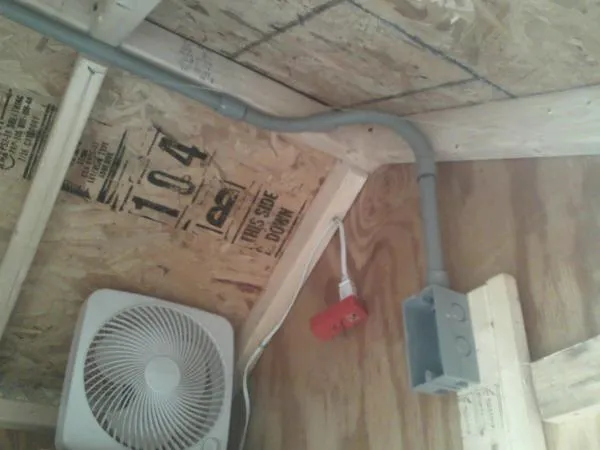
Begin by planning the route of your conduit. Decide where you want your outlets, switches, and lighting fixtures to be positioned, and map the paths for the conduit accordingly. Cut the conduit to the appropriate lengths using a saw or pipe cutter. Securely attach the conduit to the coop structure using straps or clips, making sure that the conduit is properly supported and that the runs are neat and organized. Make sure the conduit runs are free of sharp bends, which could make it difficult to pull wires through. Properly installed conduit protects your wires from physical damage and weather, extending the life of your electrical system. Careful and organized conduit runs also make it easier to inspect and maintain the electrical wiring.
Installing Outlets and Switches
Mount the outlet boxes and switch boxes in your chosen locations, ensuring they are securely fastened to the coop’s structure. Run the wires from the main power source through the conduit to the outlet and switch boxes. Strip the insulation from the wire ends. Connect the wires to the appropriate terminals on the outlets and switches, following the manufacturer’s instructions and local electrical codes. Make sure all connections are tight and secure to prevent loose connections and potential fire hazards. Properly install outlet and switch boxes and wiring can reduce the risk of electrical shocks and fire. Double-check all connections, and make sure the outlets and switches are operating correctly.
Connecting Lights

Mount the light fixtures securely in their designated locations. Run the wires from the power source or switch box through the conduit to the light fixtures. Connect the wires to the light fixture terminals, following the manufacturer’s instructions. Be very careful to match the wire colors correctly (black to black, white to white, and green or bare copper to ground). Once all wires are connected, carefully secure the light fixtures to the coop’s structure. Installing your lights is essential for providing adequate illumination for your chickens and making it easier to perform tasks in the coop. Always ensure that the fixtures are securely mounted, and the wiring is correctly connected to prevent electrical hazards and ensure your coop is well-lit.
Grounding Your Electrical System
Grounding is a very important safety feature in any electrical system, and it is critical for your chicken coop. Run a grounding wire from your electrical panel to a grounding rod driven into the earth near your coop. Connect the grounding wire to the ground terminals of your outlets, switches, and light fixtures. Proper grounding provides a safe path for electricity to flow in the event of a fault, reducing the risk of electrical shock. Test the grounding system with a multimeter to ensure it is working correctly. This step provides the best protection against electrical hazards and potential harm to your chickens or property. A properly grounded system is essential for overall safety.
Testing Your Wiring
After completing the wiring, it’s essential to test your work thoroughly. This will ensure that everything is correctly wired and functioning safely. Testing allows you to identify and fix any errors before they cause a problem. Always follow all safety procedures and local regulations when testing your electrical system. It is essential to ensure the safety of both your chickens and your property. Proper testing can prevent serious damage and can ensure that your coop is safely and effectively wired.
Checking for Proper Voltage

Use a multimeter to measure the voltage at your outlets and light fixtures. Make sure the voltage matches the expected voltage (typically 120V in North America). A low voltage reading may indicate a problem with the wiring or the power supply. A high voltage could be a sign of a serious electrical problem that needs immediate attention. If you encounter incorrect voltage readings, carefully recheck your wiring connections and the power supply. Confirming the right voltage ensures that your appliances will operate correctly and safely. Always turn off the power before making any electrical adjustments or repairs and use caution when working with electricity.
Inspecting for Shorts and Ground Faults
Test for short circuits by using a multimeter to check for continuity between the hot and neutral wires, and between the hot wire and the ground. There should be no continuity. A short circuit can cause breakers to trip and pose a serious fire hazard. Test for ground faults using a multimeter to check for continuity between the hot wire and the ground wire. A ground fault indicates that electricity is leaking to the ground and can cause electrocution hazards. Any shorts or ground faults must be identified and repaired before the system can be considered safe. Always address and repair these issues immediately, and consult a licensed electrician if you are unsure about how to proceed. These tests ensure the safety of your electrical system.
Troubleshooting Common Wiring Problems
Even with careful planning and execution, problems can occur. Knowing how to diagnose and fix common issues will save you time and frustration. Some problems may seem complicated, but most have simple solutions. It’s important to recognize potential problems and understand how to approach them. Understanding how to identify and fix these problems guarantees that your coop’s electrical system is safe and functional. Being able to handle common problems can help you avoid significant issues and keep your chickens safe and secure. Always prioritize safety when troubleshooting.
Dealing with Tripped Breakers

A tripped circuit breaker is often a sign of an overload, short circuit, or ground fault. Check the appliances connected to the circuit to see if any are drawing too much power or have a fault. Unplug appliances one at a time to see if the breaker resets. If the breaker trips again, there could be a problem with the wiring in the circuit, and you should consult with an electrician. If the breaker trips constantly, it might be necessary to upgrade the circuit or add a new one. Always ensure the circuit breaker is properly sized for the wire gauge and the total load on the circuit. Tripped breakers indicate a problem that must be handled safely. Do not simply reset the breaker repeatedly without determining the cause.
Addressing Flickering Lights
Flickering lights can be caused by loose connections, a faulty light bulb, or an overloaded circuit. Make sure the light bulbs are securely installed. Check all wire connections in the light fixture and outlet for tightness. Inspect the wiring to see if any wires are damaged or corroded. Check the circuit breaker panel and ensure the breaker is not loose or faulty. If the flickering continues, it may be necessary to replace the light fixture or consult an electrician. Flickering lights are often a sign of a bigger issue. Addressing the root cause can eliminate potential hazards and guarantee a safe and efficient lighting system.
Preventative Maintenance and Safety
Regular maintenance is vital to keeping your coop’s electrical system safe and reliable. Periodic inspections, combined with safety checks, ensure that everything works efficiently. It’s also critical to familiarize yourself with common electrical safety practices, to help prevent accidents. Taking a proactive approach can help reduce the risks of electrical hazards. By integrating these steps into your regular maintenance routine, you can ensure that your chicken coop remains safe and efficient for years to come. Keeping your chickens safe is just as important as providing them with adequate shelter, and following all necessary precautions will guarantee their safety and well-being.